
Multi-Site Commercial Roofing Programs in Westminster, CO
Coordinate Westminster roof inspections, repairs, and records across multiple buildings while keeping each property's findings, access, and priorities distinct.
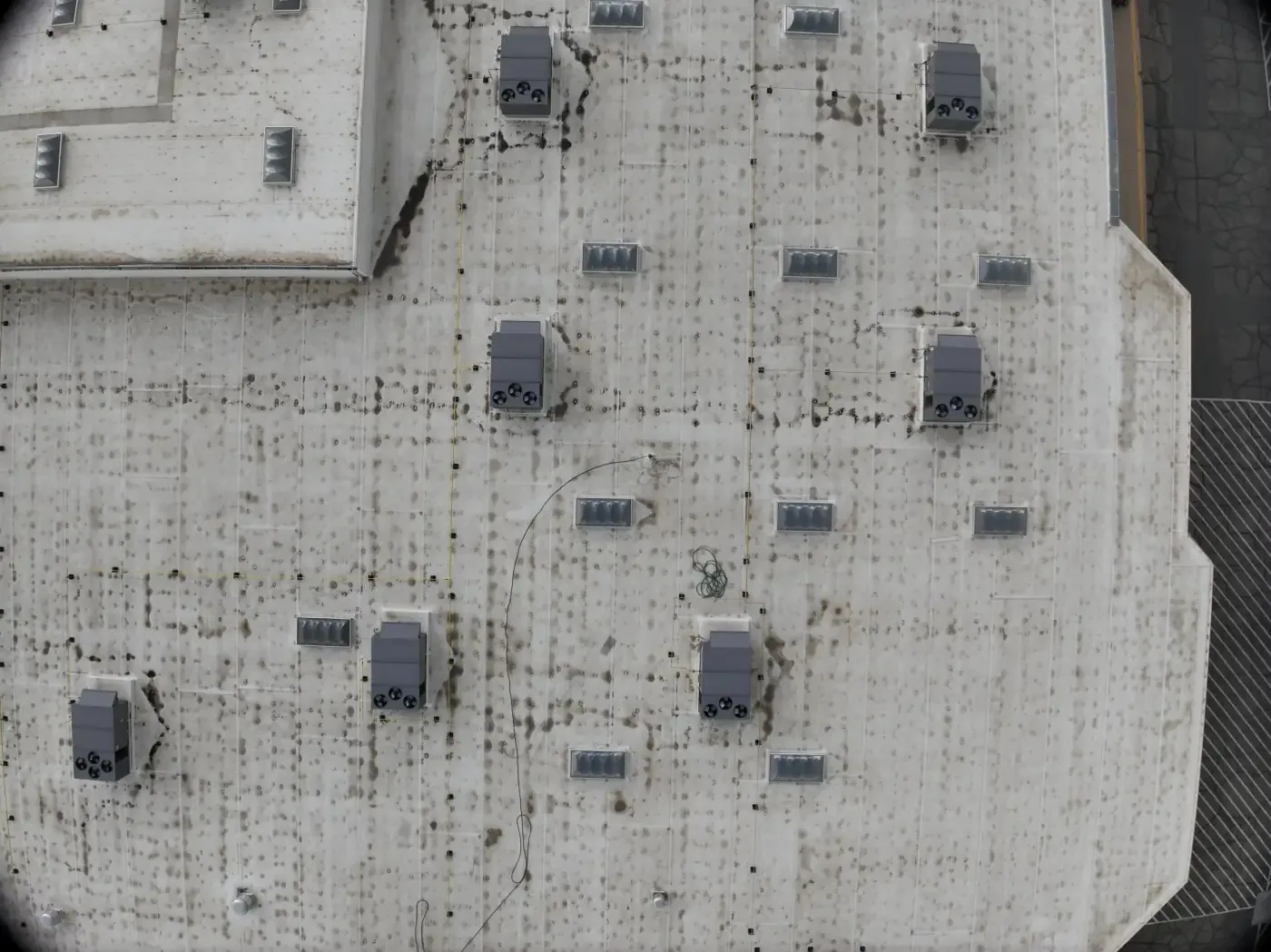
Multi-Site Commercial Roofing Programs
A weather alert can cover the metro while roof impacts vary from building to building. First sort the calls by property, active water, safe access, and the area affected. A multi-site program can standardize response while keeping each roof's observations separate. Westminster portfolios span office, retail, health, technology, and industrial uses with different operating constraints.
Give each property a clear route
Build the site list with a named contact, address, building identifier, roof access instructions, known system, and emergency escalation path. Confirm who authorizes protection and receives the report. Store a separate roof plan or marked sketch for each building. If a manager submits a vague leak report, the dispatch team should be able to ask for the building, room, and safe access details before assigning a visit.
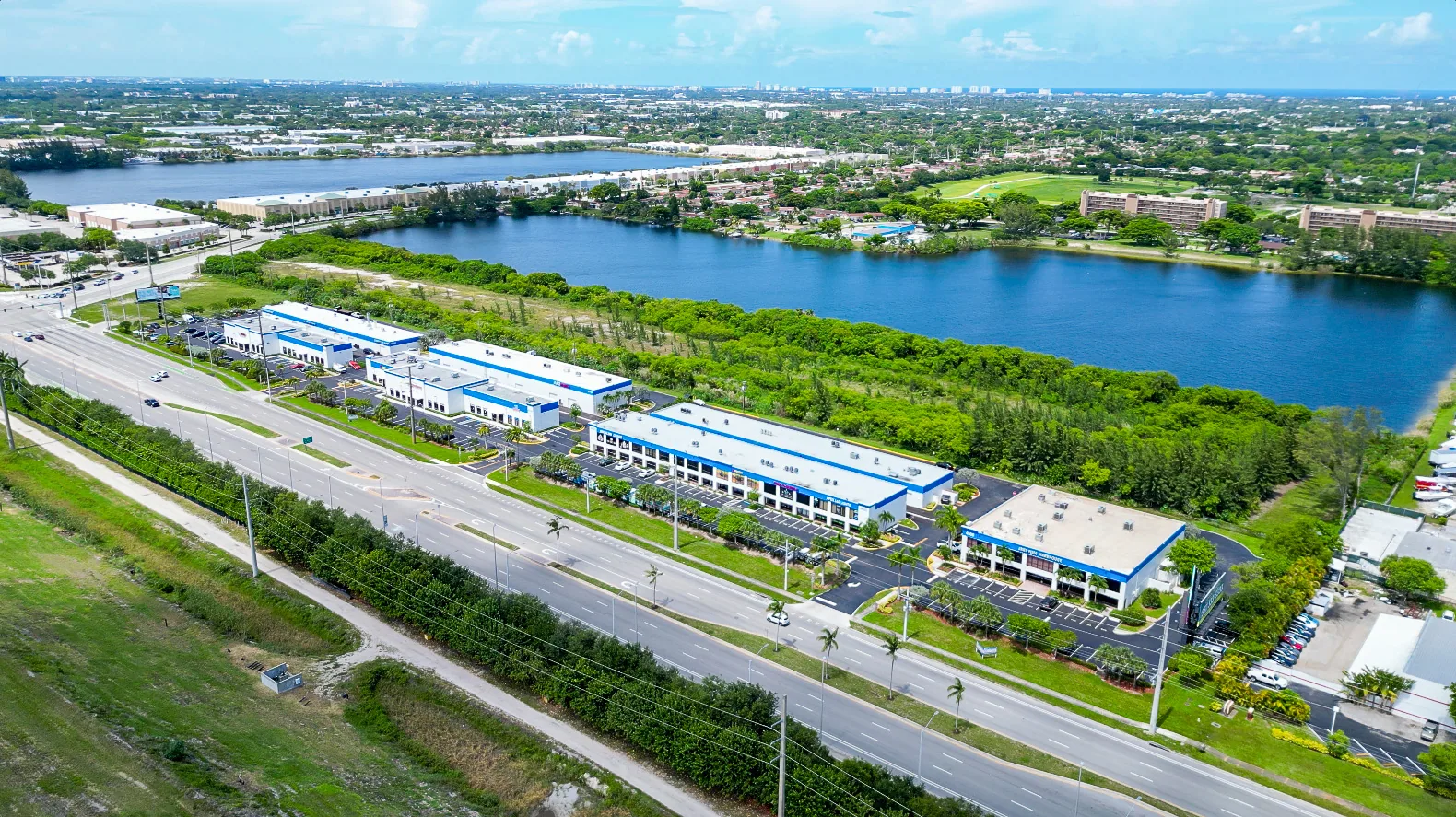
Westmoor Technology Park includes ten multistory buildings, while Circle Point contains distinct office buildings in the same U.S. 36 corridor. Treat each structure as its own work location, even when the property contact or campus agreement is shared. A Westmoor service visit should identify the building and roof zone so its notes do not blend with another roof's history.
Set response categories that match actual work: active leak, suspected weather damage, planned inspection, maintenance, and capital investigation. Define the information expected with each request. A room number, photo, weather timing, and access contact can speed triage, but the field inspection must confirm the roof condition before the repair scope is fixed.
Standardize the work record
Use a shared observation format for photos, roof-zone labels, repair boundaries, material notes, and follow-up dates. Standard fields help an owner compare sites. They do not make the roofs identical. Keep system type, condition, access limits, warranty terms, and work authorization specific to each building.
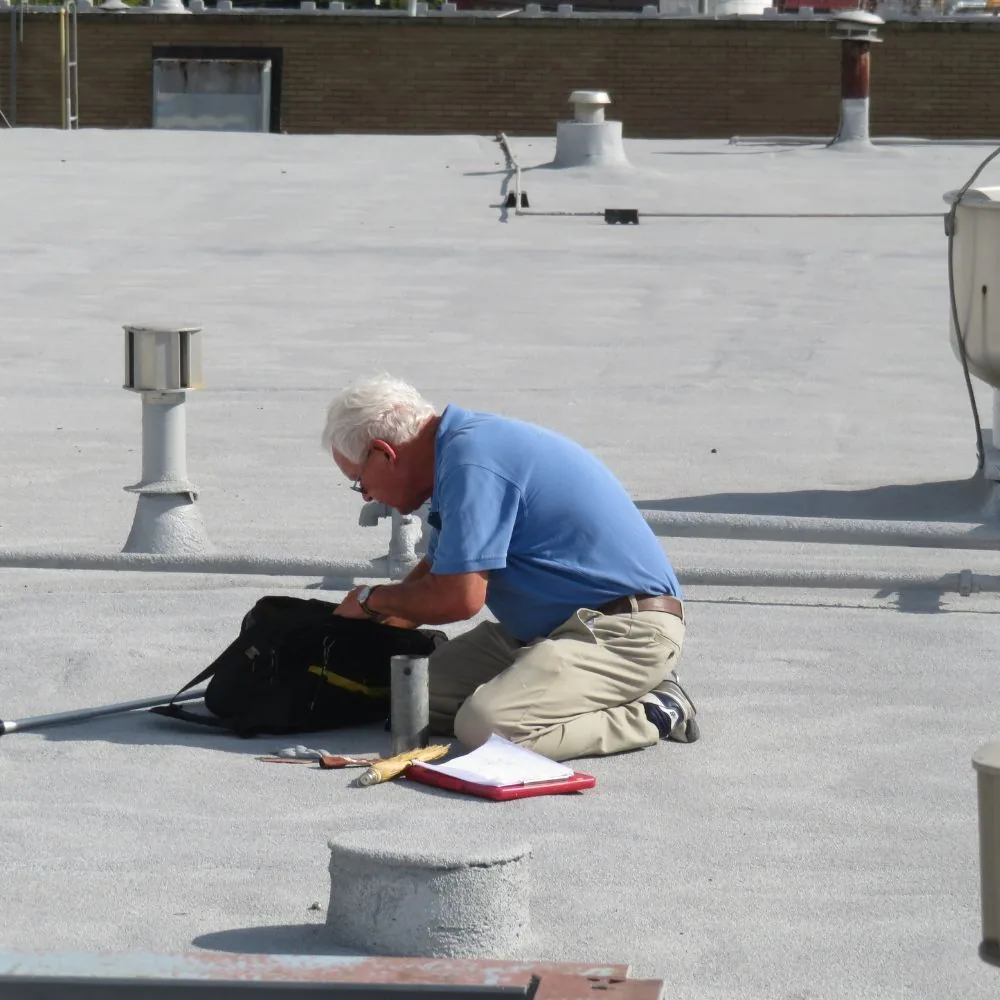
For a maintenance visit, record drains, flashing, penetrations, visible membrane wear, and open recommendations. For a repair, capture the original defect, temporary protection, permanent work, and closeout. A scheduled maintenance route can use the same checklist while preserving one log per roof. If a finding needs a condition report, mapped roof documentation should preserve the location and limits of that inspection.
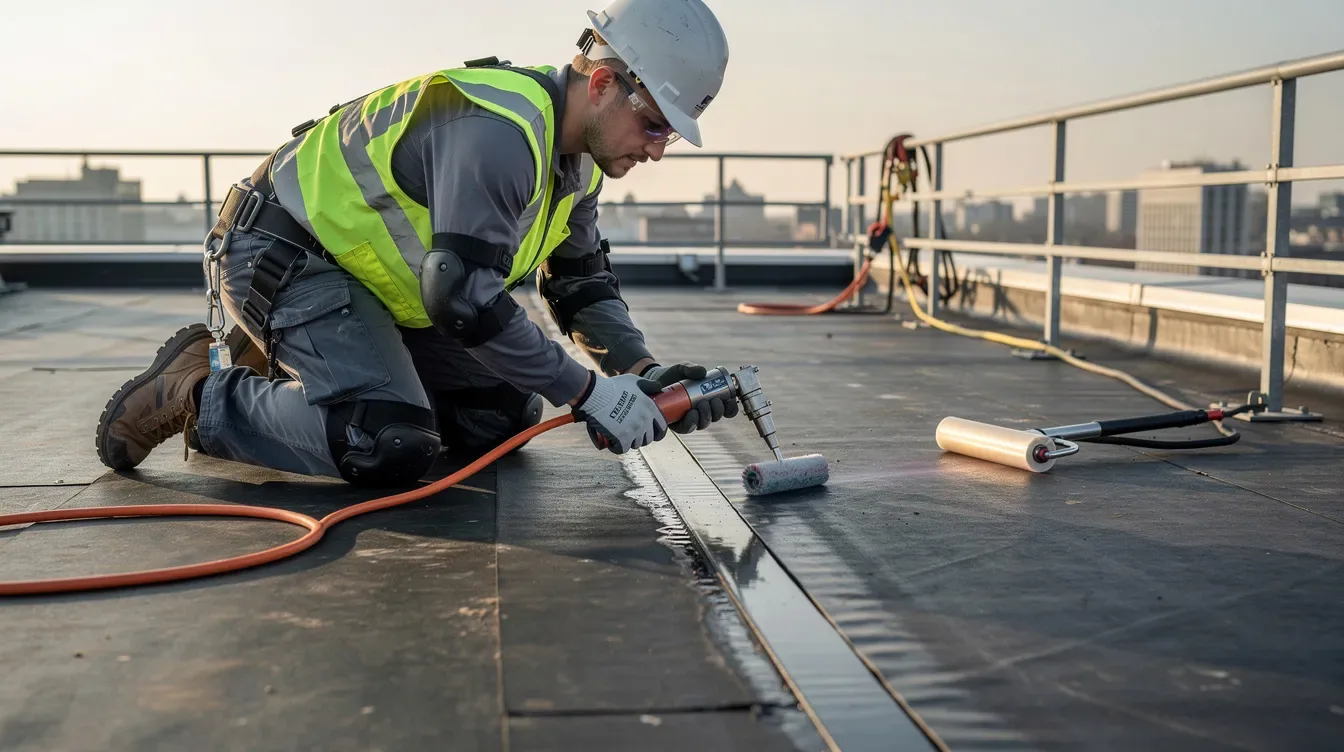
Keep a controlled list of repair materials and approved scope for each system. A repair that is suitable for one membrane may not bond to another. The crew should confirm the installed assembly and bring compatible materials before opening the surface. Do not let a portfolio standard turn an unknown system into an assumed one.
Triage by building impact
Rank requests by active water, occupant or equipment exposure, safe access, extent of reported damage, and the time needed for a durable repair. A call with water entering a critical space may need temporary protection before a planned inspection at another property. Document why the order changed and who approved it. Keep the queue visible so routine work does not hide an unresolved emergency.
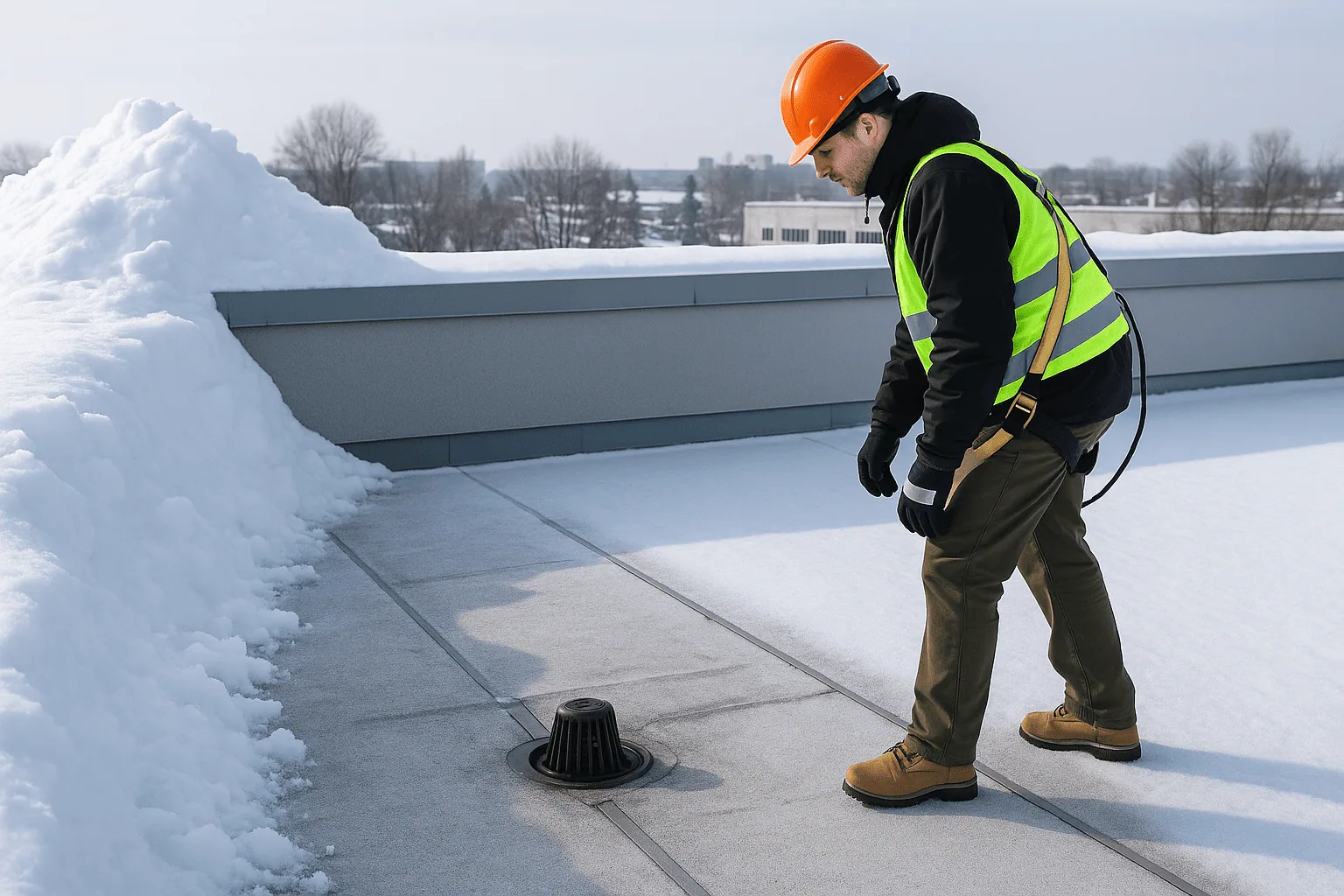
Westminster weather includes hail, wind, winter conditions, heat, and cold. The May 2024 hail report near Westminster and roof damage documented across the northern metro make a portfolio review timely. Inspect each property, record its own findings, and assign the next action by building. A post-hail inspection should record observed conditions on each roof and identify areas that could not be reached.
At the 120th Avenue corridor, retail clusters along 120th Avenue and Federal Boulevard. Tenant access, customer activity, and delivery windows may shape the route. Office and technology sites around U.S. 36 may have equipment and access controls to coordinate. Build those operational facts into the schedule, then keep the findings tied to the individual roof.
Plan visits around the portfolio
Set inspection and maintenance windows by roof condition, season, access, and the owner’s operating calendar. Schedule drainage checks when seasonal conditions make them useful, and plan repair work around installation limits for the selected material. Keep a reserve window for urgent calls. If a crew cannot complete a permanent repair in the available period, record the temporary dry-in and the return date.
Multi-site scheduling can reduce repeated mobilization when nearby properties are ready at the same time. It should not compress inspection work so far that roof zones are skipped. Group by route only after confirming contacts, access, scope, and material needs. Westmoor Technology Park and Circle Point share a corridor but remain separate buildings with their own authorizations and records.
Use a forward calendar for known projects, warranty checks, maintenance, and open testing. A warranty tracking process can surface required activities, while a roof register helps the owner see each property's condition and next due item. Assign one person to update the calendar after a site visit and another to resolve overdue decisions.
Coordinate roofing across your Westminster sites
Share the property list, site contacts, roof plans, active calls, and scheduling needs. We will build a route that preserves each building's inspection record, scope, and follow-up.
Keep proposals comparable and separate
Issue a distinct scope for each property, with shared pricing or logistics only where the assumptions truly match. Describe roof area, system, preparation, access, protection, disposal, flashing, edge work, drains, and closeout. State exclusions and concealed-condition allowances. Keep optional testing or additional repairs separate from the base work so the owner can approve each decision clearly.
When two buildings need different systems or repair methods, explain the difference instead of forcing both into one specification. Record the proposal date, inspection basis, and any site condition that could change the work. If the project has a common schedule, identify the building sequence and the access requirement for each phase.
A commercial repair scope can address confirmed defects, while a capital plan can organize larger projects by year. Keep the submitted estimate, work authorization, and completed work record attached to the property where the work occurred.
Review results without averaging away risk
A portfolio dashboard can show open leaks, overdue maintenance, inspected roofs, and planned capital work. It should not hide individual exceptions in an average score. Display which buildings are current, which have inaccessible areas, and which decisions are waiting for approval. A summary should lead back to the underlying inspection photo and roof zone.
Westminster's economy includes technology, health and life sciences, hospitality, aerospace, financial services, and business support. A portfolio serving those sectors may have different operating hours and building functions. Note the business constraint that affects timing, but do not assume a sector determines roof condition. Report both the shared program measure and the site-specific evidence behind it.
Review trends such as recurring drain calls or repeat repairs only after confirming that records use consistent labels. A repeated work order could reflect the same defect, a nearby detail, or a different building entirely. Compare maps and photos before deciding that a pattern exists. Assign an owner to investigate repeated issues and record the result in the relevant site files.
Keep responsibility clear
At program kickoff, set contacts for dispatch, roof access, repair approval, tenant notices, invoice review, and emergency escalation. Define the information expected at completion: dated photos, work limits, materials, unresolved conditions, and next action. If a site contact changes, update the directory before the next scheduled visit.
For an active leak, the property contact should know where temporary protection was installed and when the crew will return. For planned maintenance, the owner should receive a list of completed items and deferred work. Use the same closeout categories across the portfolio, but retain specific language about each assembly and roof zone.
Share your Westminster property list, access contacts, roof plans, active calls, and planned budget period. We can set a route, inspect the buildings, complete agreed repairs, and return records that connect each action to its roof. The program should clarify response and which building needs the next decision.
Commercial Roofing Questions
Can one maintenance checklist work for every building?
Use common fields, then adjust tasks to each roof system and property.
How should we prioritize several leak calls?
Start with active water, exposure to occupied or critical areas, safe access, and the scope of temporary protection required.
Can nearby Westminster sites be serviced on one route?
They can share a schedule when access, authorization, materials, and scope are ready. Keep each building's findings and work order separate.
Does a regional hail event mean every site needs repair?
No. It can prompt inspections, but each roof needs its own observations before a repair is recommended.
What should we receive after a portfolio visit?
Expect a building-specific closeout with photos, work completed, access limits, open issues, and the next owner or due date.
Related Roofing Work
Westmoor Technology Park
Read more
Commercial Roof Maintenance
Read more
Commercial Roof Condition Reports
Read more
Commercial Hail Damage Roof Repair
Read more
More Roofing Capabilities in Westminster
See the rest of our roofing capabilities for Westminster commercial buildings, or call 555-555-5555 to talk through your roof.
Multi-Site Commercial Roofing Programs
Talk to Commercial Roofing Westminster
Call 555-555-5555 or send a request and we will schedule a visit to look at the roof, explain what we find and lay out your options.