
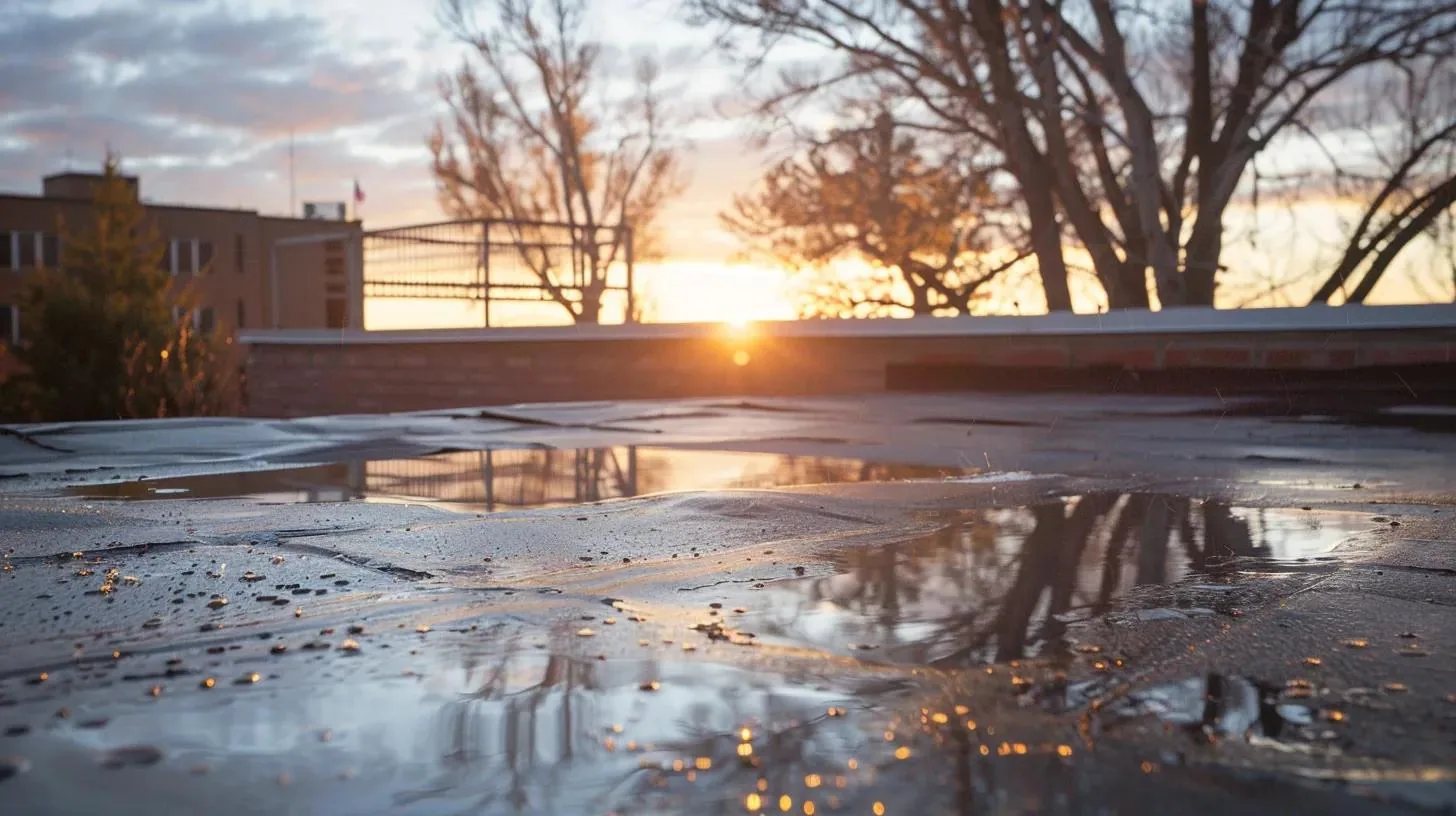
Commercial Ponding Water Roof Repair in Westminster, CO
Diagnose standing water on Westminster commercial roofs by checking drainage, roof slope, membrane condition, and interior reports before repair.
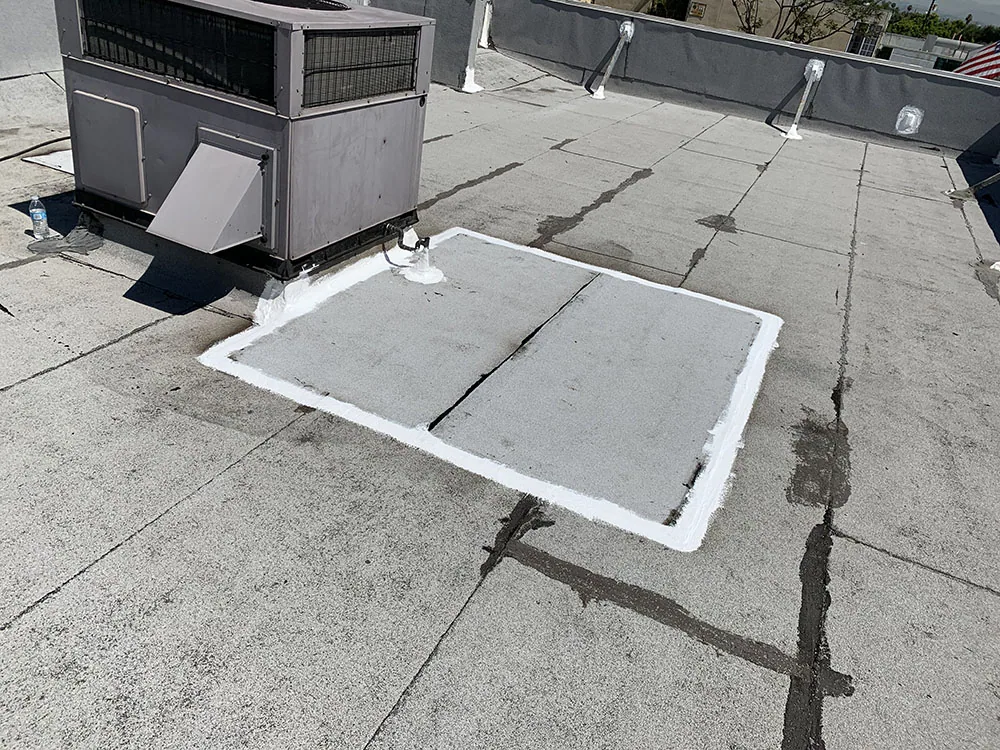
Commercial Ponding Water Roof Repair
A shallow pool that remains after the drains clear deserves a closer look. Mark its location, approximate size, and how long water stays after weather, then inspect the outlet and nearby roof surface. Denver-area snowfall changes across the metro, so a regional normal cannot explain ponding at a specific property. Roof slope, drainage, debris, and assembly condition determine the next step.
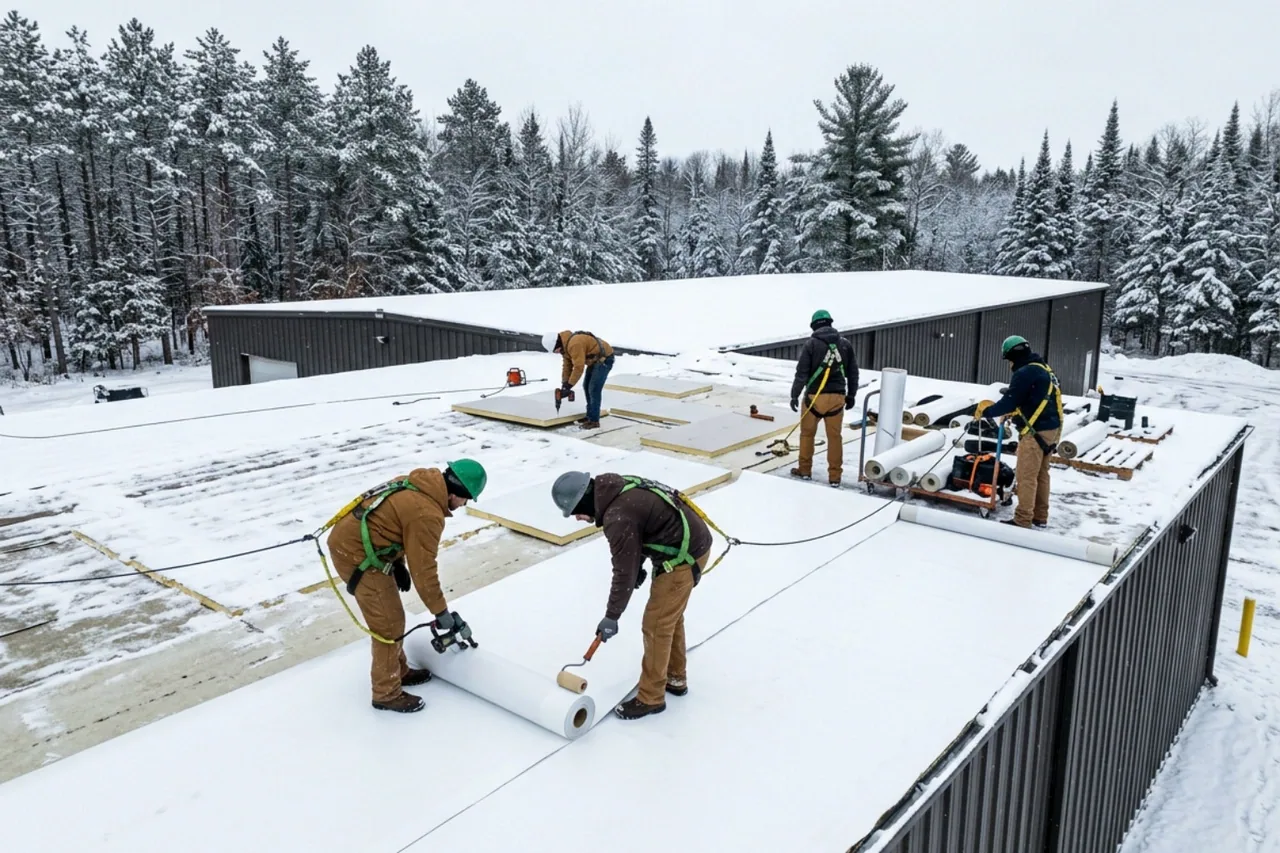
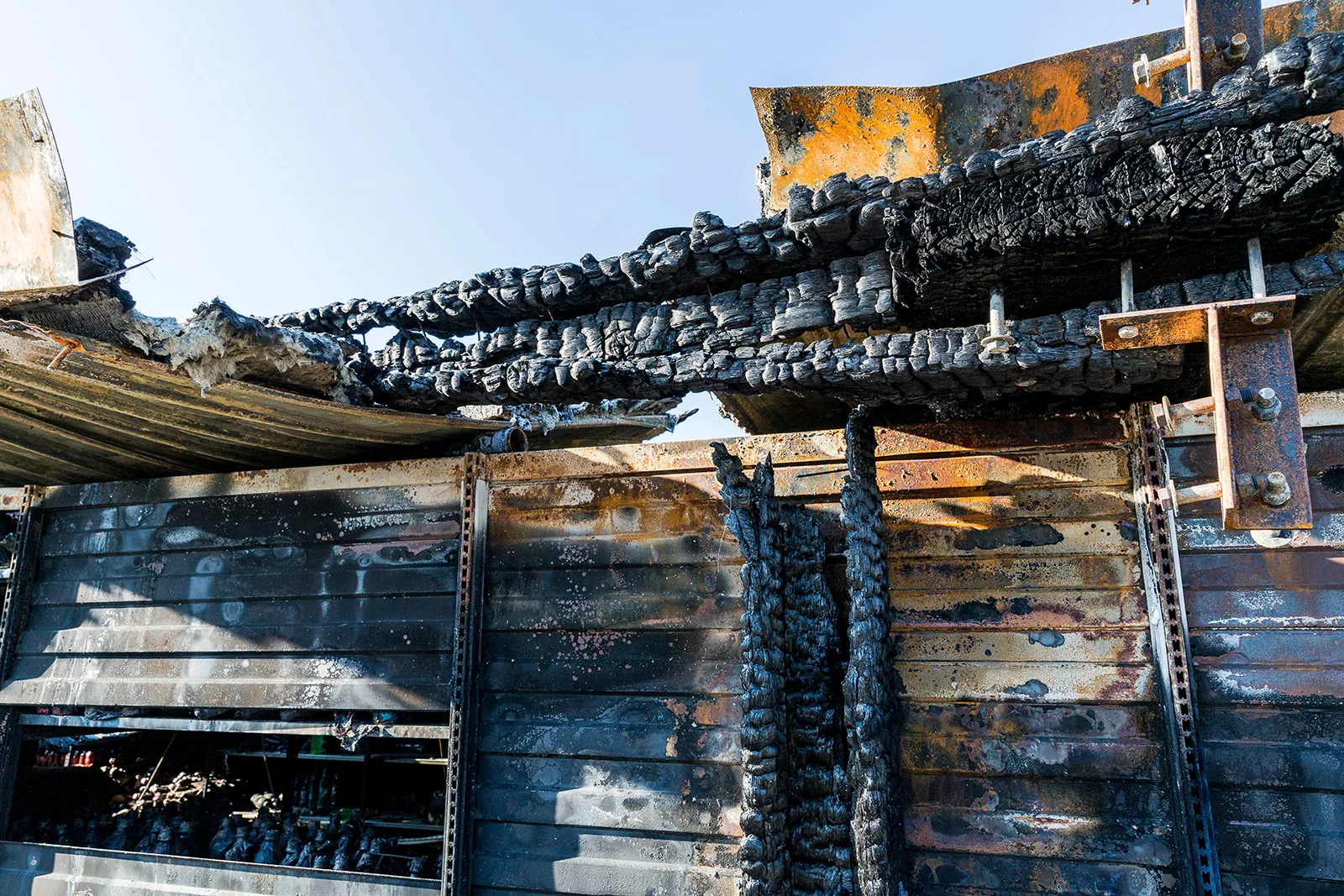
Follow the water to its outlet
Start at the pond and trace the drainage path toward a primary drain, scupper, gutter, or overflow. Note debris, crushed strainers, blocked leaders, settled insulation, and any high point that interrupts flow. Photograph the water edge and the outlet in the same roof-zone record. If the water clears before the crew arrives, note the weather and time of the earlier observation.
Westminster's Westmoor Technology Park and Circle Point are separate U.S. 36 area campuses. Their individual roofs may have different drainage layouts and maintenance histories. A Westmoor area roof visit should document the inspected building rather than generalize across the business park.
A drain and scupper service can clear or repair a defined outlet. Check whether overflow routes remain open and discharge away from entries or equipment. Do not treat a clean drain as proof that the roof has proper slope; the surface between outlets still needs to be inspected. Check whether drain bowls sit below the surrounding membrane and whether overflow openings have a clear path. A clogged strainer is a maintenance item. A drain set too high or a settled area can require a different scope, so note the elevation and surrounding condition before recommending work.
Check the surface around the pond
Water may collect because of a blocked outlet, a depression in the insulation, a deflected deck, or an original low-slope design. The field check should distinguish debris from a persistent low area. Look for soft spots, blisters, open seams, loose flashing, and prior patches at the edge of the pool. Record each observed condition without assuming water alone confirms structural movement.
On membrane roofs, inspect seams and patches where water sits. On metal systems, review panel laps, fasteners, gutters, and transitions. Coated assemblies need attention to film condition and drainage details. Identify the system where possible and list any uncertainty that requires a test opening or drawings.
A moisture survey may help map wet insulation if the assembly, roof condition, and weather permit. The report should state the method, area, and limits. Testing can help target a repair; it does not replace correcting a blocked drain or restoring a damaged membrane detail.
Compare ponding with interior reports
Ceiling stains, odor, or active water near the low area may help set inspection priority. Water can move laterally before appearing indoors, so compare the room with roof plans, seams, curbs, and drains. Record whether the report followed rain, snowmelt, or a mechanical service visit. The interior symptom is evidence to investigate, not a map of the roof defect.
A commercial roof inspection can photograph the pool, trace visible drainage, and identify seams or penetrations that need repair. If water is active, temporary protection can be placed while the permanent scope is defined. Keep the emergency response separate from a larger slope correction or replacement evaluation.
For buildings near Westminster Promenade or other retail properties, interior operations may continue during the check. The property contact identifies rooms, equipment, and tenant access limits before an opening or test. Mark inaccessible areas in the report so the owner understands which conclusions apply to which zones.
Account for snowmelt and local variation
For ponding-water response work, photograph edge metal before temporary protection is installed; keep photos attached to the correct roof-zone record. After melt, inspect the actual roof's drains, overflows, low spots, and parapets. A season's total does not establish ponding depth or duration at a Westminster building.
Wind can move debris into an outlet, while hail or freeze-thaw may expose a weak seam near the water line. Record what is visible on the roof and compare it with earlier photographs. Nearby weather observations can explain why an inspection was scheduled; they do not prove why a particular pond formed.
A snow and ice roof review can address ice-related drainage concerns, while wind damage inspection can check displaced details after a gust. Keep each repair tied to the evidence for its own cause.
Inspect a standing-water area
Send the property location, roof plan, photos after weather, drain history, and any interior reports. We will trace the water path and document a repair or testing scope.
Choose between clearing, correction, and renewal
Remove debris when the outlet is blocked and verify that water can drain through the system. Repair a damaged drain bowl, scupper, seam, or flashing if surrounding materials remain sound. If a depression holds water after the drainage route is open, measure the affected area and determine whether insulation or deck conditions need testing.
Broader work may involve tapered insulation, drain relocation, a recover, or replacement. The right scope depends on roof height, structural constraints, assembly, moisture, outlet capacity, and project requirements. Do not place fill or coating over a low spot without checking the drain elevation and system compatibility.
A roof coating restoration may be considered only when the existing assembly and surface condition support it. A condition report can preserve measurements, photos, and repair limits for budgeting. Field dimensions, not building floor area, set the roof quantities. Access and staging also affect the correction: crews may need to move rooftop equipment, protect occupied spaces, or keep an outlet functioning during work. If the work includes tapered insulation, the drawings should show the direction of fall and how the new height meets curbs, doors, and perimeter metal. Price those transitions with the main area so the result drains to a working outlet.
Verify the drainage path after repair
After clearing or repair, revisit the outlet and low area under suitable conditions. Record whether water drains, whether the overflow remains open, and whether the repaired seam or flashing stayed intact. A follow-up photo from the same roof-zone point makes the result easier to compare.
Keep drainage maintenance separate from structural or insulation questions. If ponding returns, recheck slope, outlet elevation, deck support, and hidden moisture rather than repeating the same surface patch. The report should identify what was tested and which question remains.
Schedule future checks after seasonal melt and after rooftop work that might disturb drains. Give maintenance staff a roof map and a short list of outlets to keep clear. Add a follow-up date and the person responsible for confirming the drain check after the next rain or melt event. That gives the owner an action tied to the property rather than a generic statement about standing water.
Commercial Roofing Questions
How long should water remain before it is considered ponding?
The inspection should record the roof's drainage performance after weather and compare the observation with the assembly and outlet layout. A site visit establishes whether the condition needs correction.
Can clearing a drain solve the problem?
It can if debris is blocking an otherwise functional outlet. A persistent low area needs a separate check of slope, insulation, and deck conditions.
Does standing water prove the roof structure is sagging?
No. A roof may pond because of drainage blockage, insulation geometry, design, or other conditions. Structural concerns need evidence beyond a surface pool.
Will coating remove a low spot?
Coating can restore a suitable surface but does not correct every drainage depression. Confirm assembly condition, compatibility, slope, and outlet height first.
What should a ponding repair report include?
Record pool location, drainage route, outlet condition, measurements, photos, moisture findings, repair limits, and any unresolved test or structural question.
Related Roofing Work
Westmoor Technology Park
Read more
Commercial Roof Drains and Scuppers
Read more
Infrared Moisture Survey
Read more
Commercial Roof Inspection
Read more
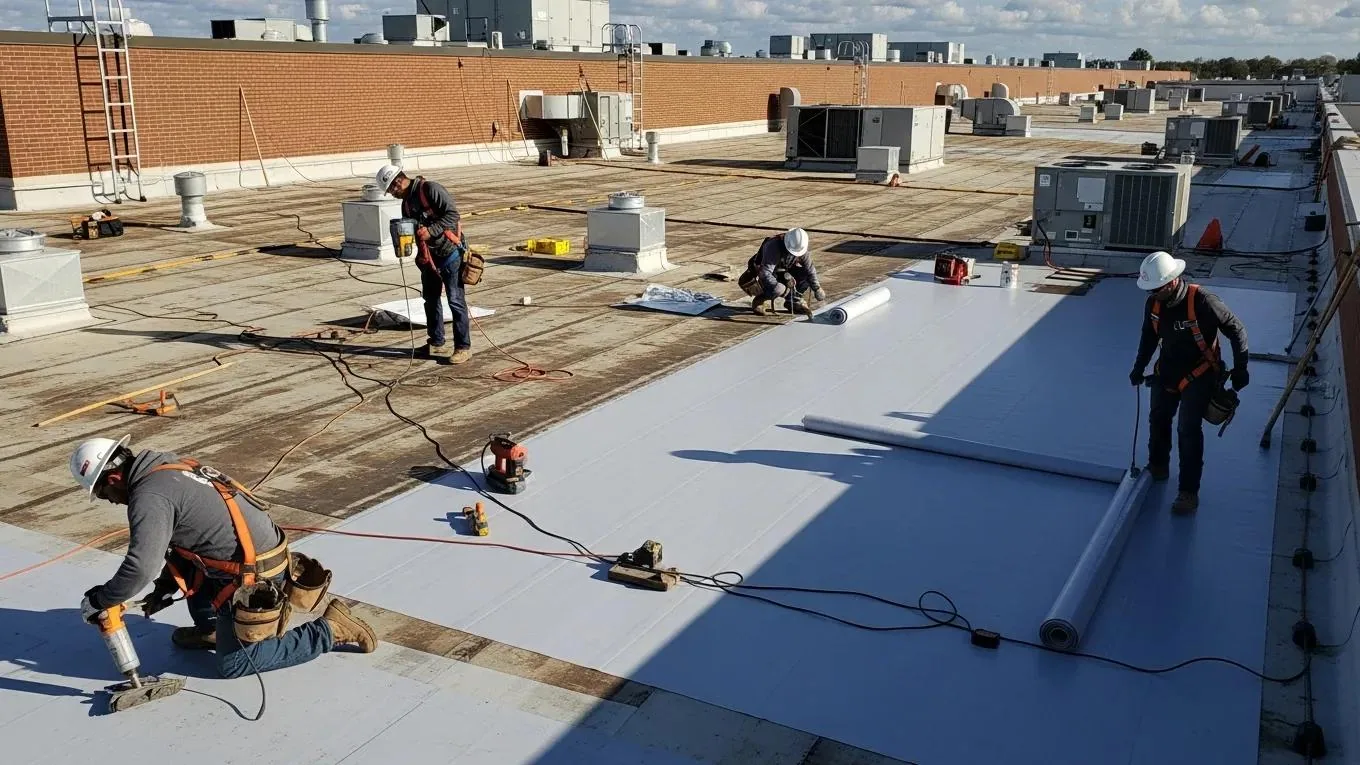
More Roof Damage Repair in Westminster
See the rest of our roof damage repair for Westminster commercial buildings, or call 555-555-5555 to talk through your roof.
Commercial Ponding Water Roof Repair
Talk to Commercial Roofing Westminster
Call 555-555-5555 or send a request and we will schedule a visit to look at the roof, explain what we find and lay out your options.