
Commercial Roofing in Thornton, CO
Plan commercial roof inspections and repairs in Thornton around access, weather, drainage, and conditions confirmed on the building.
Thornton
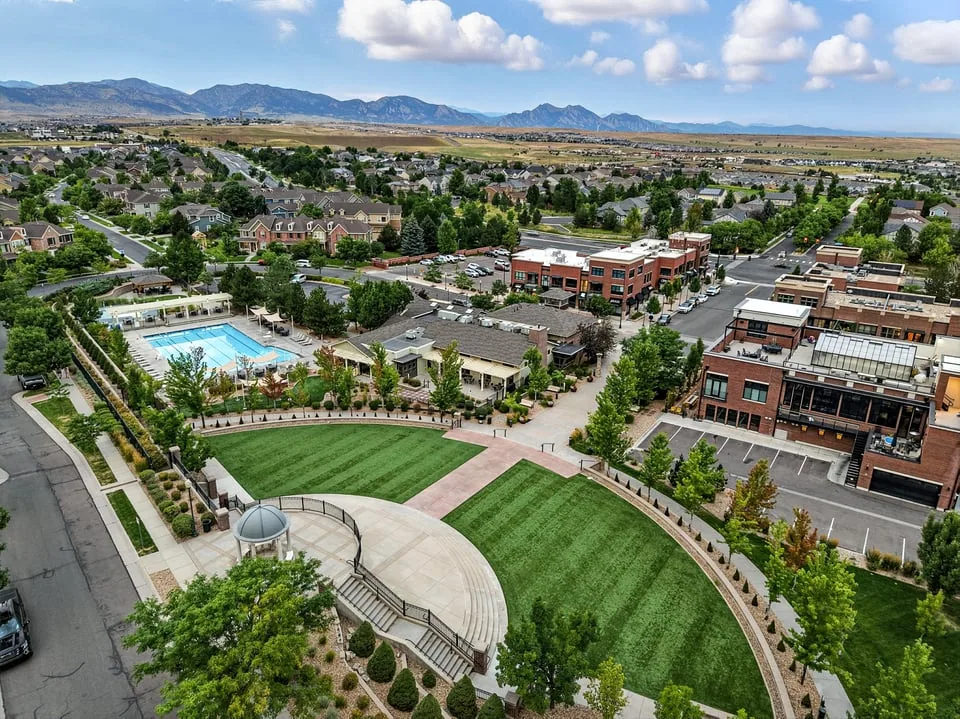
A water stain in Thornton can point to several roof details, and the first useful step is to locate the building and room. Thornton includes commercial cores, employment areas and mixed-use districts across a large municipal footprint. City planning distinguishes South Thornton from the original Urban Center between I-25 and Washington Street. Those areas help describe service coverage, while each roof still needs its own inspection.
Use the center name to locate, not diagnose
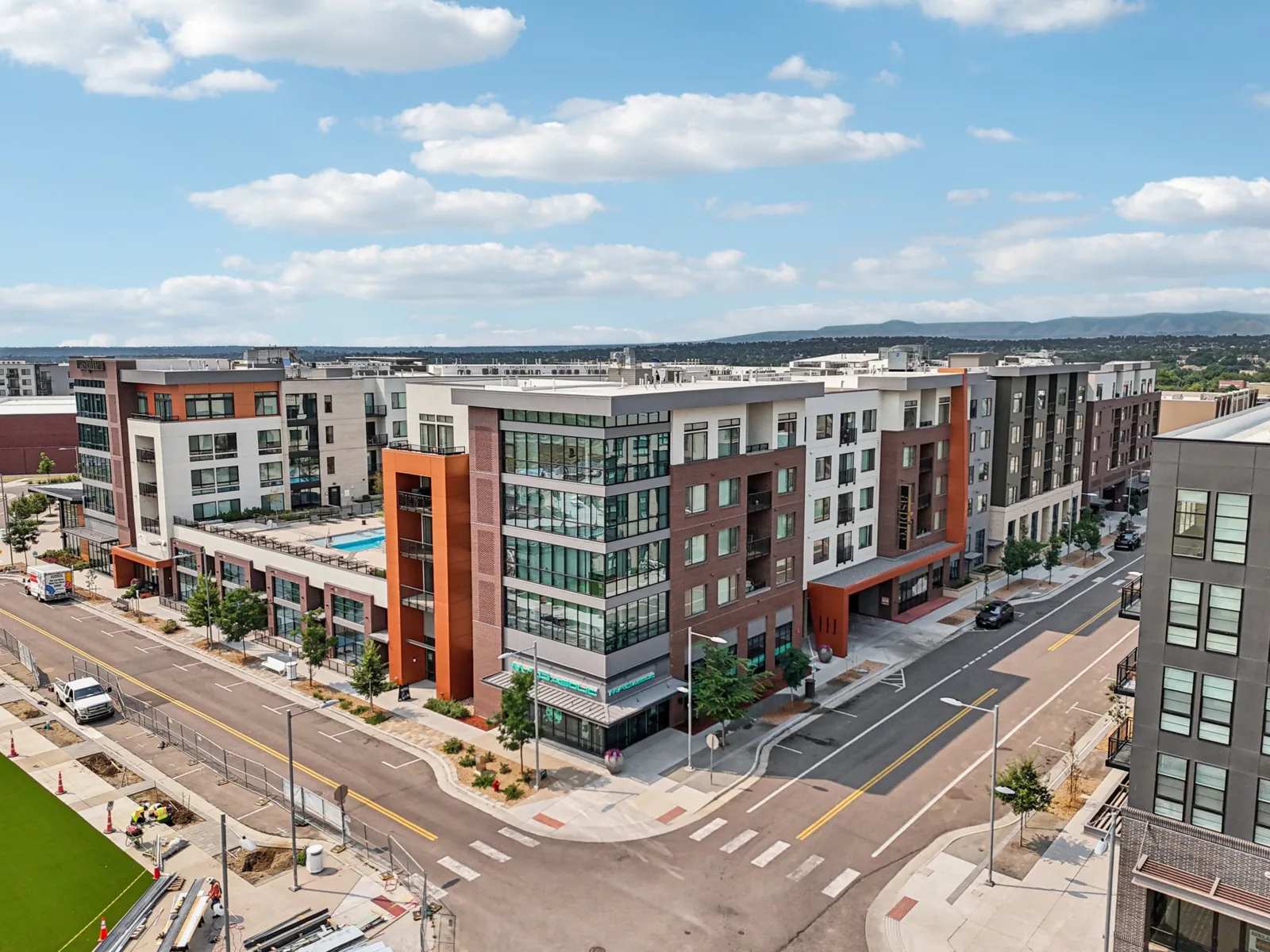
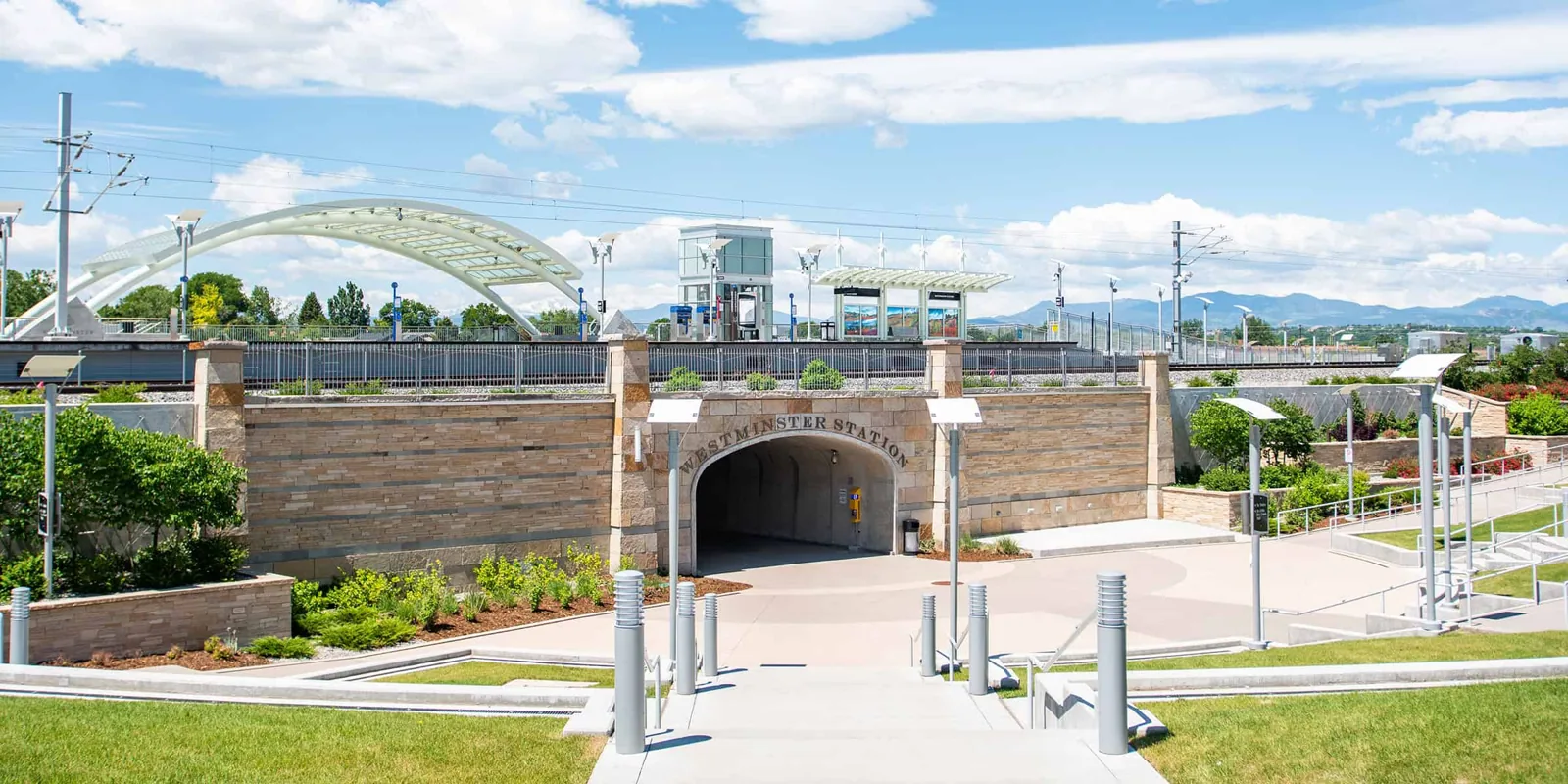
Thornton planning covers a range of commercial and mixed-use settings. South Thornton and the original Urban Center are recognized city subareas, while the zoning map allows business-park, industrial, employment-center, and commercial uses. Use those broad areas to plan service coverage. The Northglenn route is a separate municipality; its records cannot establish a Thornton roof condition. A Thornton logistics-park inspection still needs its own building map. Confirm property ownership, roof access, and operating needs for each building before work is scheduled.
The roughly 101,786-square-foot figure is a center inventory measure, not a roof measurement. Start with property records and a current roof plan. Confirm which building or suite reports water, who authorizes access, and where a crew can stage. Mark the roof zone in photos and work orders. A roof asset record can keep the system, maintenance, and repair history attached to the correct property.
Commercial areas can include connected roof sections, separate structures, and tenant spaces with different contacts. Verify each transition and work boundary. If plans are missing or do not match the field, record that gap before selecting materials. The inspection should state which areas were reached and which remained outside the approved access route.
Start with the report and roof map
Ask when the water appeared, which room is affected, and whether the timing followed rain, snowmelt, or equipment work. An interior stain may sit away from the roof opening. Compare the report with drains, seams, wall transitions, penetrations, and equipment curbs. Keep a suspected path distinct from an opening that was actually observed. Photograph both the detail and its location.
Follow the full drainage route. Check drain bowls, scuppers, overflows, low areas, debris, and the surrounding membrane. Inspect edge metal, parapet flashing, curb corners, pipe boots, and prior patches. Look for open laps, loose terminations, punctures, or material separation. A roof inspection should document conditions by section and say what testing could reduce uncertainty.
Confirm whether the assembly is TPO, PVC, EPDM, KEE, modified bitumen, built-up, metal, or another system before prescribing a repair. Each uses different seams and flashing details. If the field system is confirmed as modified bitumen, a modified-bitumen review can consider the surfacing, laps, and transitions present on that roof.
Use local weather without assuming damage
Hail, wind, thunderstorms, flooding, winter weather, heat, and cold are part of the broader Denver-Boulder forecast area. The May 30, 2024 storm produced documented roof damage elsewhere in the northern metro. Use the date to organize inspection timing, then record the plaza's observed roof condition by building. It cannot show whether Willow Run sustained impact. Photograph observed marks and distinguish them from wear or a condition that requires testing.
In Thornton, separate a visible opening from suspected moisture that needs testing. Identify the roof area reached and any section left inaccessible, then link each interior report to the most likely roof zone for follow-up. After thaw, check whether drains and overflow paths are open, whether water remains in low zones, and whether interior reports match the roof observations.
For active water, a leak-response visit can protect contents and note the temporary measure. For storm concerns, a wind-condition review should check perimeter details and attachment where accessible. Record which findings are direct observations and which are open questions.
Compare a focused repair with a larger plan
A short seam opening or localized flashing defect may be repaired when adjacent material is intact. Repeated leaks, widespread moisture, deteriorated membrane, failed attachment, or problems in several sections may justify a broader evaluation. Before considering coating or recover, review the existing layers, insulation, drainage, substrate, edge height, and detail compatibility. Testing should answer a question that affects the recommendation.
A repair scope should name preparation, materials, the repair boundary, photos, and any return check. A replacement plan should state removal assumptions, insulation and cover board, membrane, perimeter treatment, staging, disposal, and daily dry-in. Timing can depend on tenant activity, loading access, roof height, weather, and material lead time. Cost may change with concealed wet insulation, access equipment, the number of curbs or penetrations, and the amount of edge work.
Westminster enforces the 2021 International Building Code and Energy Conservation Code. Confirm current requirements for the specific project and permit route. A replacement proposal should record those assumptions. If conditions support ongoing service, preventive maintenance can track drains, seams, and details over time.
Request a Thornton roof inspection
Share the business area or building, affected room, leak or weather timing, roof access contact, and operating limits.
Coordinate the work around tenants
Before mobilizing, confirm the property contact, entry that must remain open, delivery times, staging area, and roof-access rules. Confirm current tenant contacts and access procedures with the property manager before scheduling. Coordinate barriers where equipment or materials pass near customers. If work touches several suites, state which areas are affected and who receives updates.
Adhesive, coating, and exposed-roof work need suitable surface and weather conditions. Check the selected product requirements before starting. If the forecast changes, secure the work area with an appropriate temporary protection detail and set the permanent return. Note who owns that return. Keep equipment shutdowns and restart approvals with the authorized site contact.
At closeout, remove staging debris, confirm drain paths remain open, and compare the repair with initial photos. Record any area not inspected, deferred test, or temporary measure. Restore the agreed entry and delivery paths. The record should make clear what was done at Willow Run and what remains for another visit.
Make follow-up easy to schedule
Keep roof plans, system documents, maintenance notes, photos, and work orders under the correct property. Identify the roof zone, date, and direction for each photo. Record the material used, what was tested, and where the repair ends. This keeps future maintenance from treating a patch as an original seam or carrying an old tenant note into a new scope.
After work, review the roof with the report in hand. Confirm water-control details, drains, penetrations, and perimeter conditions. Add any deferred item to a dated list with an owner. If the inspection could not reach a portion of the roof, keep that limitation visible in the record rather than marking the entire property clear.
For a Thornton request, send the business or building area, affected room, timing, prior repair notes, access contact, and any limits on deliveries or operating hours. We can inspect the actual roof, document what is confirmed, and explain repair and capital options. The next action should follow the conditions found at this property.
Commercial Roofing Questions
Does the inventory square footage describe the roof?
No. It is a center-size figure. A roof plan or field measurement is needed to establish roof area and separate the sections.
Is Safeway still the plaza's lead tenant?
Safeway originally served as the plaza's lead tenant; current occupancy should be confirmed before a visit. That historical entry does not verify current occupancy, roof ownership, or access procedures.
What should I tell you about an interior leak?
Name the affected room, when water appeared, the weather or equipment activity beforehand, prior repairs, and who can authorize roof entry.
Can you inspect several buildings during one visit?
Yes, if access is arranged. Each building still receives separate photos, findings, repair limits, and follow-up notes.
What makes a repair scope incomplete?
A scope needs preparation, compatible materials, a defined boundary, closeout evidence, and any follow-up test or temporary protection plan.
Related Roofing Work
Northglenn
Read more
5280 Logistics Park, Thornton
Read more
Commercial Roof Asset Management
Read more
Commercial Roof Inspection
Read more
More Service Areas in Westminster
See the rest of our service areas for Westminster commercial buildings, or call 555-555-5555 to talk through your roof.
Thornton
Talk to Commercial Roofing Westminster
Call 555-555-5555 or send a request and we will schedule a visit to look at the roof, explain what we find and lay out your options.