
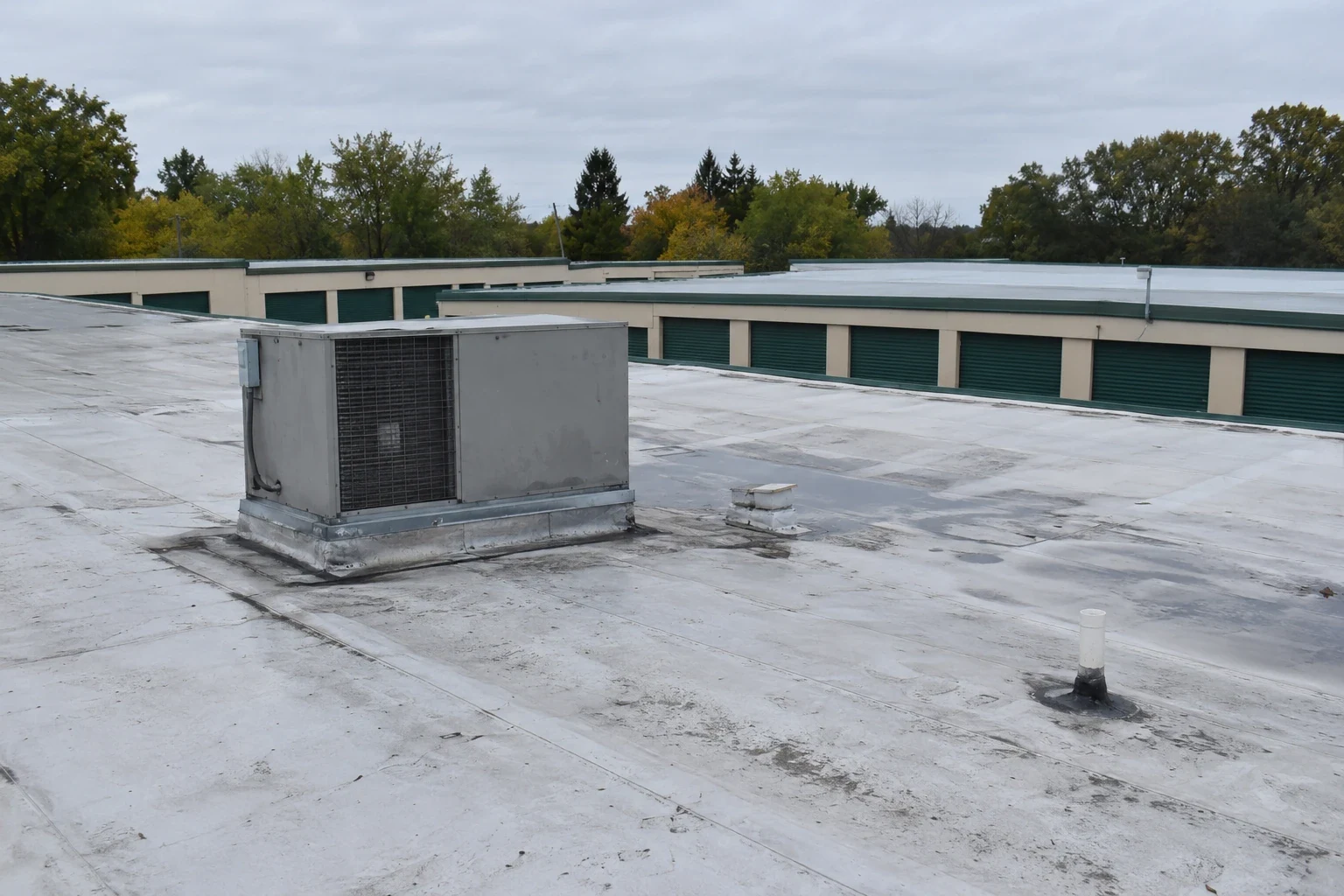
Self-Storage Facility Roofing in Westminster, CO
Inspect Westminster storage roofs around unit rows, loading, drainage, and tenant contents. Define leak repairs without closing unaffected buildings.
Self-Storage Facility Roofing
Following overnight rain, note the storage corridor that first showed moisture before checking the roof above. Water can travel across a deck before reaching a unit or hallway, and stored belongings may need immediate protection. Westminster's commercial routes include the North I-25 corridor and Westmoor near U.S. 36. Those places help orient service calls; a property walk determines its roof, access, and repair needs.
Tie unit rows to the roof plan
A storage facility can have long unit rows, office and access areas, loading lanes, drive-up units, and covered corridors. The manager identifies reported units, locks, access hours, and contents that need protection. We compare the interior route with seams, drains, curbs, skylights, and perimeter details. The inspection map marks which building and section were checked.
Westminster's North I-25 corridor includes several commercial and community retail centers. Westmoor Technology Park is in the northwest U.S. 36 area. These districts help dispatch and route planning but do not indicate a storage building's roof type or location.
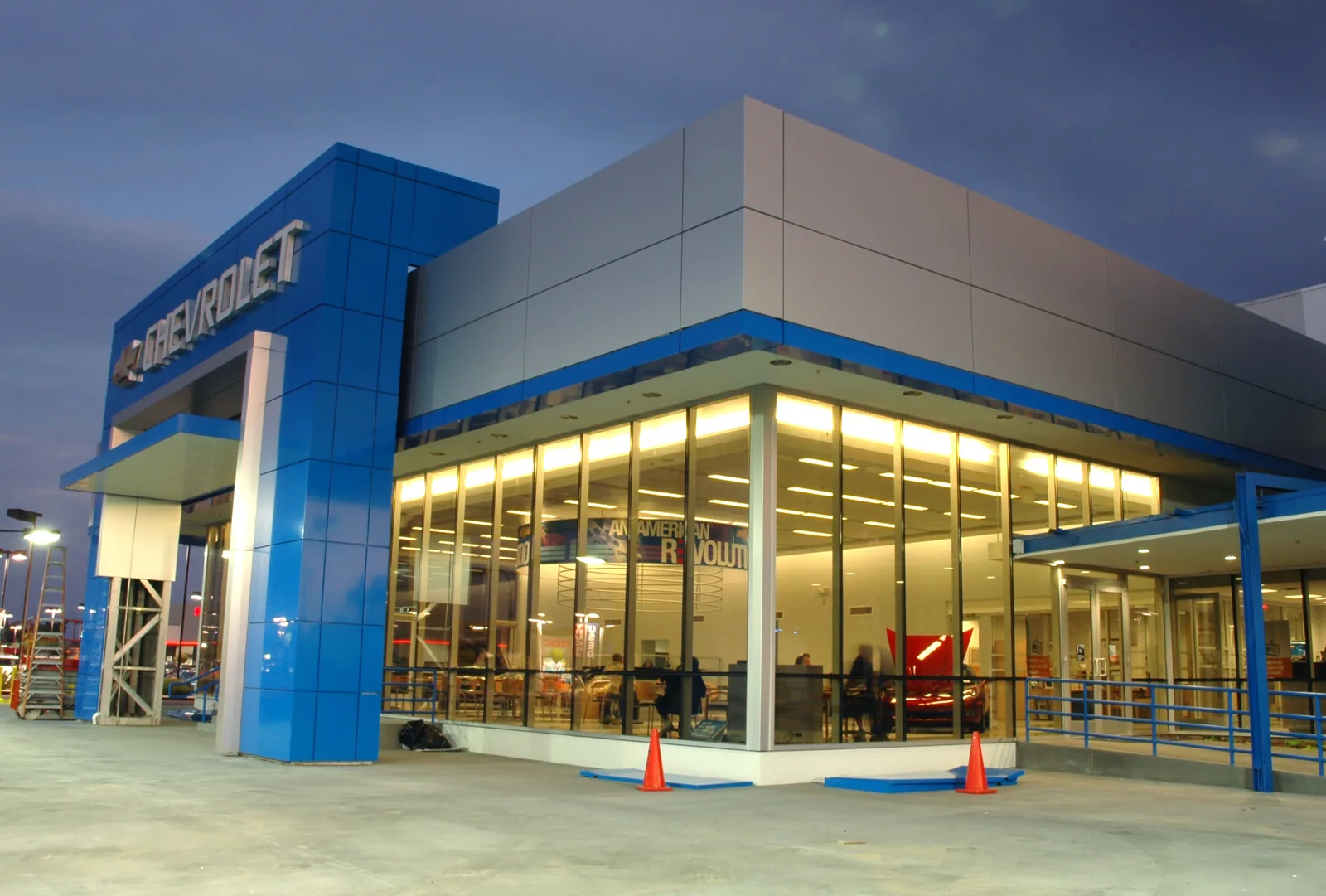
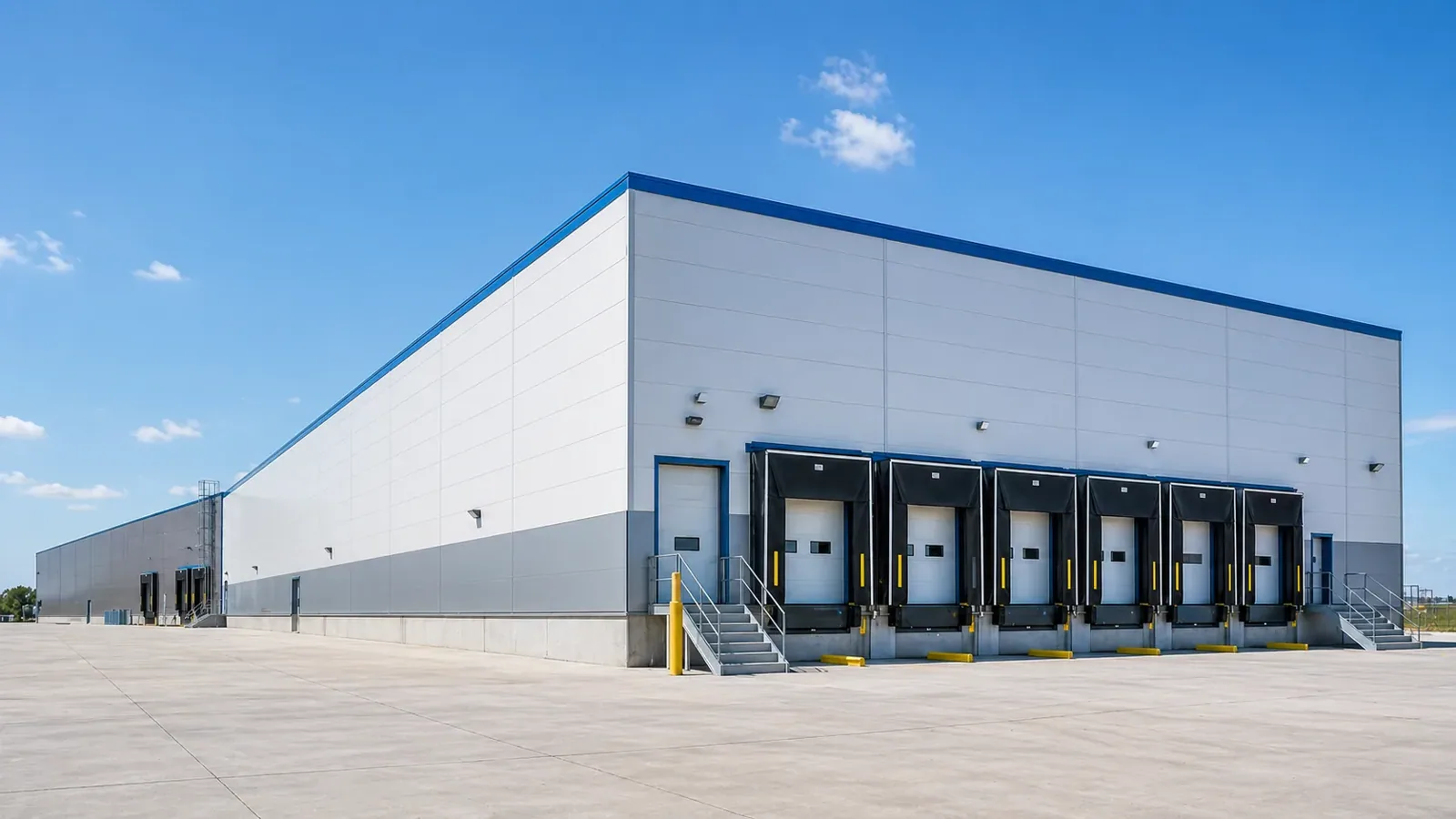
A warehouse roof review may focus on broad inventory and dock operations. An apartment inspection accounts for occupied units and resident notices. Self-storage work needs unit access, lock procedures, tenant belongings, and safe vehicle circulation.
Locate the entry and protect stored property
We ask when water appeared, which unit or corridor is affected, whether it followed rain or thaw, and whether a roof contractor or HVAC technician recently visited. Then we inspect nearby membrane seams, drains, curbs, and flashing. The visible unit can sit away from the leak. A leak investigation records the likely route and any opening or test still needed.
The manager decides whether tenants need notice, whether access should be escorted, and what items can be moved before repair. If the reported area contains sensitive contents, we agree on a barrier and covering plan. The work order identifies who can authorize unit entry and who confirms that contents can return once protection is removed.
Separate unit reports stay separate on the map until the roof walk connects them. We note timing, building, row, and likely roof bay. That keeps a repair limited to supported conditions and helps the facility distinguish an old ceiling mark from a new leak. When management contacts a tenant, the note can explain whether the report is under investigation, whether belongings should remain covered, and when the next update will arrive. We photograph the repaired area and state the follow-up period before returning the unit to normal use.
Check low areas after snow and rain
After a thaw, inspect the facility's drains, overflows, low points, and water marks. A blocked outlet may leave water near a seam or fastener line. Record whether debris removal, drain correction, or membrane repair is needed.
An observer north of Westminster recorded hail on May 30, 2024, and the wider storm included roof damage. That history can guide inspection timing, but the evidence at a storage property must come from its own membrane and edge details. We inspect membrane, exposed metal, skylights, and equipment screens for evidence. The report separates impact findings from prior patches and ordinary wear.
Wind and heat can affect exposed roof edges and sealants. Winter weather can limit access. The crew confirms surface and forecast conditions before moving equipment or opening the membrane, and notifies management if a planned visit must shift.
Keep vehicle and unit access clear
Storage customers may arrive throughout the day, and some sites have interior corridors with controlled access. The manager identifies gate hours, vehicle paths, emergency access, office hours, and rows that must remain available. We confirm lift placement, staging, debris containers, and signage before materials arrive.
A limited repair may allow nearby buildings to stay open. Larger reroofing can proceed by building or row, with a daily closure target and notice to tenants whose access changes. An occupied-property work plan identifies the active section and path around it. We document what remains open and which entrance tenants should use.
If the site has drive-up units beneath the work, the superintendent coordinates a temporary vehicle restriction with management. The crew does not move tenant locks or enter units without approval. At shift end, the roof is closed, barriers are checked, and the manager receives a status note for the next day. If the repair spans several visits, we list which building is active, where trucks may park, and what tenants should expect at the gate.
If a gate closes at a fixed hour, include the return access window in the tenant notice so a follow-up inspection is not mistaken for a repair visit.
Keep storage access in the repair plan
Share the Westminster facility location, building and roof map, affected unit row, gate and vehicle hours, tenant notice requirements, recent weather or leak timing, and access rules. We will document a clear work limit.
Set a repair limit by building section
A puncture, open seam, failed curb flashing, or drainage defect may be fixed locally if surrounding materials remain sound. We identify the assembly, compatible material, tie-in point, and moisture or deck evidence. The proposal names the building and roof area included, along with concealed conditions that were not visible.
If water reports repeat across a row or wet insulation extends beyond a repair, testing may be needed before a recover or replacement. An overlay requires acceptable moisture, attachment, roof height, drainage, and project review. Replacement may involve removal, new insulation and cover board, membrane, edges, and phased access for tenants. Cost and schedule depend on building count, roof area, material handling, access, and how much space must stay open. We list a separate sequence when one repair requires access through a neighboring unit row or a shared drive lane.
For a Westminster project, the 2021 building and energy codes provide the current review framework. The authority determines which provisions attach to this scope. We prepare assembly details and drainage changes for that review before setting mobilization.
Link tenant reports to roof history
Rooftop HVAC service, signage, and communications work may change a storage building's penetrations or traffic route. Keep dates, roof areas, and contractor notes with the maintenance file. A plan showing each drain, seam, curb, and past patch gives the next inspection a reliable reference.
A maintenance visit can clear drains, inspect flashings, and record surface changes before a tenant report develops. A roof condition inspection can prioritize repair, follow-up, or testing. At closeout, we list which units or corridors were affected, the repair boundary, and whether tenant access has returned.
For an operator with several Westminster properties, keep a separate roof plan and gate contact for each site. The final record should say which building was walked, what areas were blocked, and which follow-up date is expected. That record helps operations respond to a new report without assuming all roofs match. Keep gate codes and after-hours contacts in the approved access file for roofing service.
Commercial Roofing Questions
Can you repair a storage roof while tenants still access units?
Often, if active rows, gate routes, vehicle paths, and barriers are planned with management. Affected units may need temporary limits while the roof above is open.
How do you protect stored belongings during a leak?
The manager identifies the unit and contents at risk. We coordinate notice, covering or relocation, and the roof opening before beginning permanent repair.
Does a hail report mean the entire facility is damaged?
No. It sets a reason to inspect. Each building and roof section needs its own observations and repair boundary.
Can you replace one building at a time?
A phase plan can work by building or roof section, with tenant notice, vehicle access, and a daily closure point for each phase.
What information should we send first?
Provide the roof plan, affected building and unit row, gate and access hours, tenant notice rules, recent weather, and prior repair records.
Related Roofing Work
North I-25 Corridor
Read more
Westmoor Technology Park
Read more
Commercial Warehouse Roofing
Read more
Apartment and Multifamily Roofing
Read more
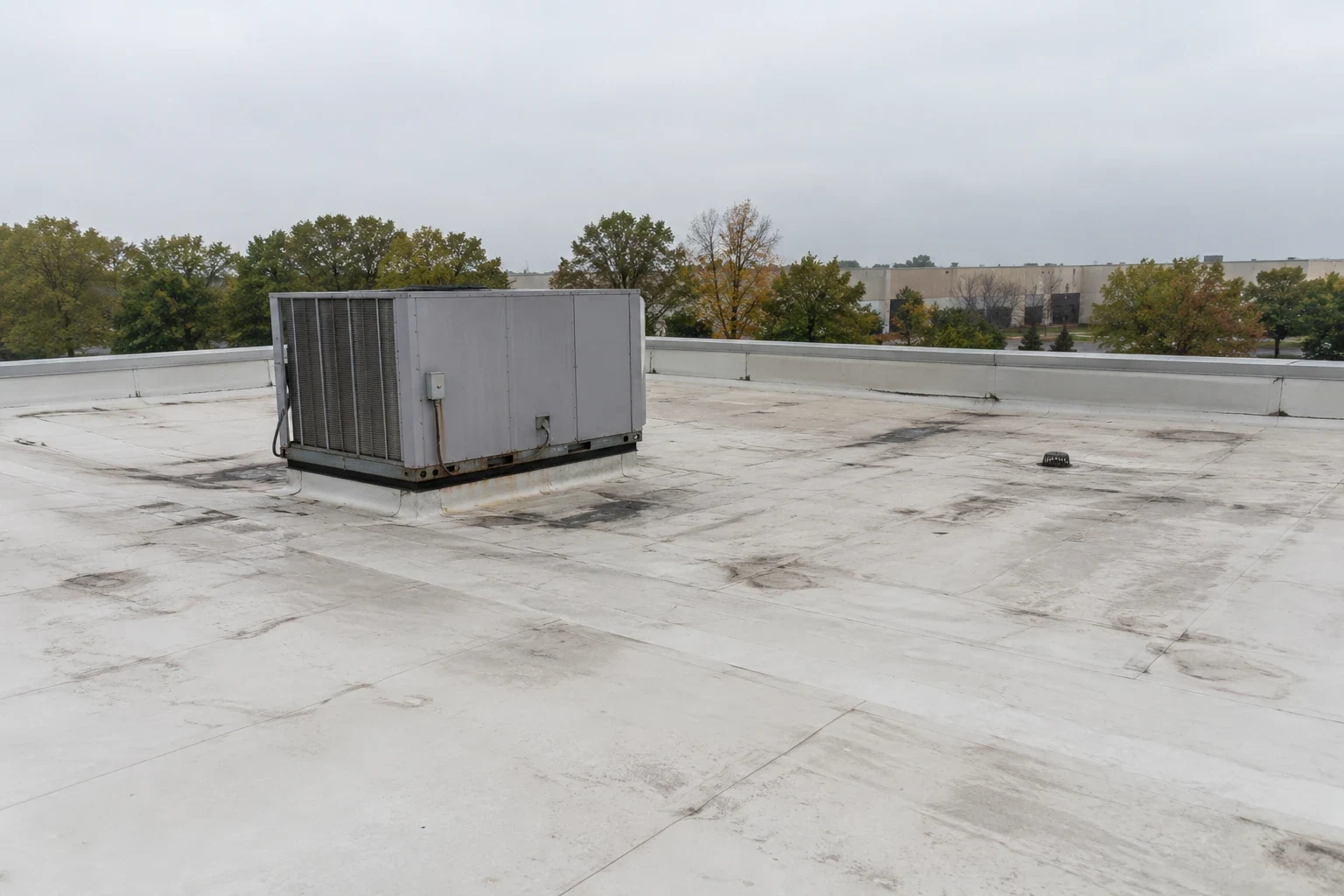
More Property Types We Roof in Westminster
See the rest of our property types we roof for Westminster commercial buildings, or call 555-555-5555 to talk through your roof.

Self-Storage Facility Roofing
Talk to Commercial Roofing Westminster
Call 555-555-5555 or send a request and we will schedule a visit to look at the roof, explain what we find and lay out your options.