
Restaurant Roofing in Westminster, CO
Plan Westminster restaurant roof repairs around kitchen exhaust, rooftop units, dining, and deliveries. Inspect drainage and flashing before leaks reach guests.
Restaurant Roofing
After a kitchen ceiling leak, check the roof above the exhaust route and dining area before moving equipment or closing tables. Grease, heat, rooftop service, and weather create different clues, so the stain alone cannot identify a roof failure. Restaurants operate among Westminster's commercial properties along 120th Avenue and near the U.S. 36 and Church Ranch Road node. We inspect the actual building and coordinate access with restaurant operations.
Map exhaust and dining zones
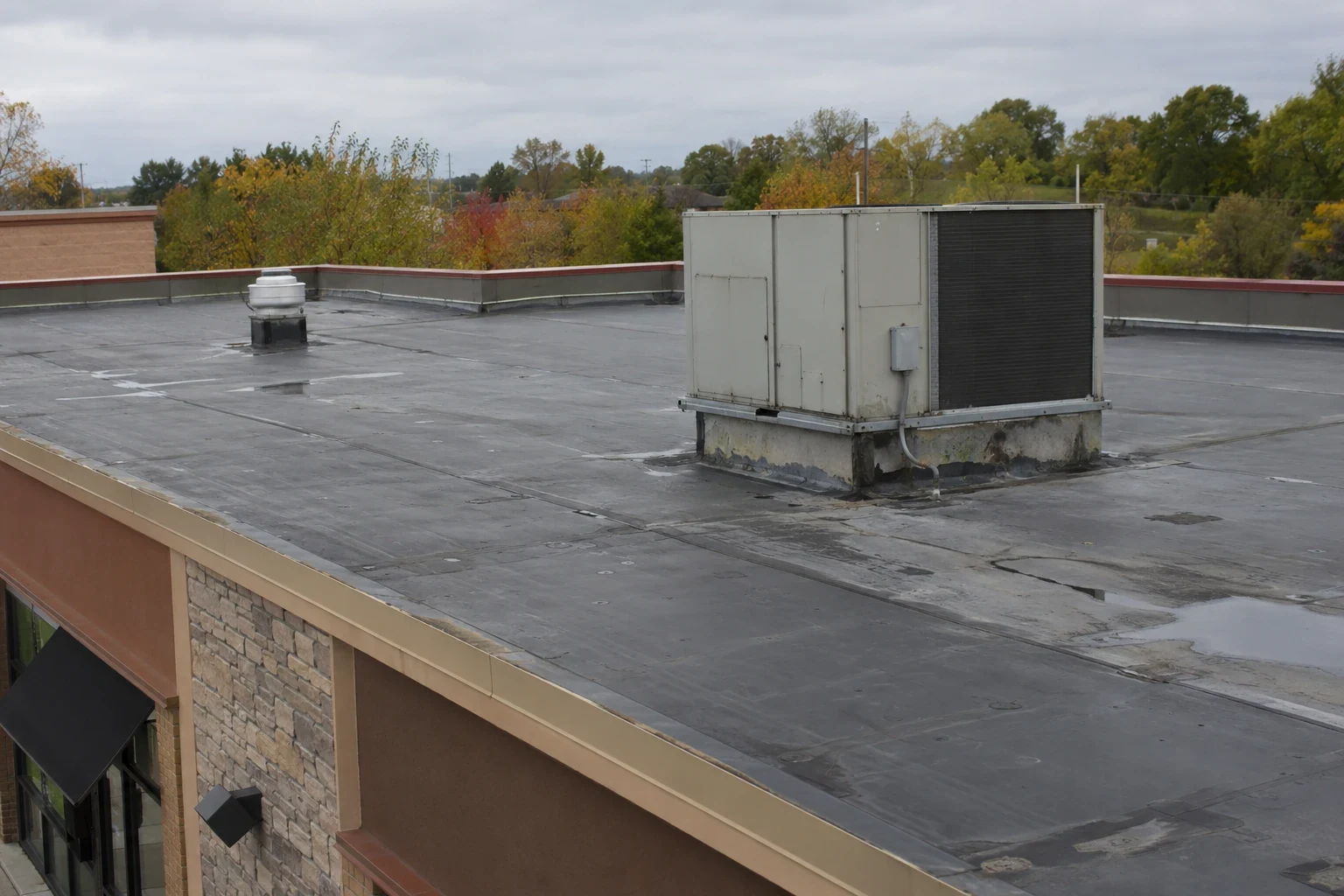
Restaurant roofs can carry exhaust fans, make-up air units, refrigeration, gas lines, and electrical supports. Each curb or penetration interrupts the roof membrane and can receive regular service traffic. We mark those details and compare them with kitchen, storage, and dining areas below. If water appears near an exhaust hood, the roof route and the interior path both need inspection.
The 120th Avenue corridor includes retail centers with restaurant tenants. The Church Ranch / U.S. 36 node also contains dining and lodging activity. These district facts help frame local service routes, but do not identify a specific restaurant roof or its condition.
A shopping-center roofing visit can coordinate shared loading and tenant access. A hotel roof inspection may need to protect guest rooms and event operations. A restaurant plan adds food prep, exhaust cleaning, and meal periods to the work calendar.
Inspect exhaust curbs and service paths
We inspect flashing around hood exhausts, fan curbs, ducts, utility pipes, and refrigeration lines. Grease accumulation is a maintenance concern for exhaust equipment, but the roof diagnosis still depends on the membrane and flashing. We note split sealant, open seams, loose metal, or impact marks separately and identify the service route that may have caused wear.
When a contractor has recently cleaned or replaced an exhaust fan, the owner can share the date and scope. That context helps focus the inspection on disturbed flashing or a changed curb. A roof inspection provides photographs and a map of details for the restaurant and property manager.
Where water reaches a kitchen, the staff identifies food-contact surfaces, appliances, dry storage, and any area that needs covering or temporary closure. We plan an opening only after protection and cleanup responsibilities are assigned. The report notes whether the affected room returned to service and what remains under observation.
Check drainage after snow and storms
Snowfall varies across the Denver metro. We check drains, overflows, low areas, and parapet corners after melt rather than assume a citywide total predicts one roof. A blocked outlet can hold water beside an exhaust curb or seam. The inspection says whether cleaning, repair, or a closer moisture check is needed.
During a May 2024 storm, hail observations were logged close to Westminster and damage was noted in other northern communities. A restaurant operator can use similar weather as a cue to schedule an inspection, then rely on the roof walk to determine whether the site changed. A hail inspection documents visible changes to membrane, skylights, edge metal, and rooftop equipment.
Heat from the kitchen and sun exposure can affect sealants near exhaust equipment. We look at the roof detail and its condition rather than assume the interior temperature caused a failure. Wind, snowmelt, and equipment service are recorded as separate inspection context.
Keep service hours and customer paths in view
Delivery, prep, lunch, dinner, and cleanup create different access windows. Management tells us when the rear lane is in use, where food deliveries enter, and which customer paths must stay open. A lift or material cart cannot block fire access or a service door without approval. We confirm the staging point and barrier route before the crew arrives.
Some work can happen before opening or after the last seating. A larger repair may be phased so the kitchen, dining room, or patio remains available in unaffected areas. The work plan states the roof opening, temporary dry-in, odor or noise precautions, and daily closure time. An occupied-building sequence helps management see when each area is active.
If the roof cannot be safely accessed during a forecast change, we revise the work window. The restaurant receives a direct status on which zone is closed, which has been secured, and when the crew expects to return. If the work spans several days, each shift starts by confirming that the prior section remains watertight and that temporary barriers are still in the approved location. The manager can then update kitchen staff, delivery drivers, and customers before the service period begins.
Plan roof access around kitchen hours
Share the Westminster restaurant location, roof and kitchen maps, affected room, exhaust or refrigeration service dates, meal and delivery schedules, weather or leak timing, and access rules. We will document a focused repair scope.
Set the work limit from roof evidence
A failed seam, loose exhaust flashing, puncture, or damaged drain can sometimes be repaired locally. We confirm membrane type, material compatibility, attachment, and the tie-in boundary. If insulation is wet or the deck is not visible, the report identifies the limit and what test could resolve it. A repair should not include unverified roof area simply because it is nearby.
Multiple recurring leaks or deterioration across several sections may support a recover or replacement review. Those choices depend on moisture, attachment, height, drainage, and permit requirements. Replacement can include insulation, cover board, membrane, curbs, and phasing around kitchen access. Cost and duration vary with roof area, materials, staging, and the length of the restaurant's operating window.
Westminster applies its current 2021 building and energy-code editions. The applicable review depends on the work. We identify the proposed assembly and coordinate permit steps with ownership before scheduling a larger project.
Coordinate roof visits with kitchen service
Exhaust cleaning, refrigeration work, sign service, and HVAC maintenance can all place people on the roof. Keep their dates, routes, and equipment changes in the building record. If a new support or duct opening is added, update the roof map so the next visit can inspect that detail and its drainage path.
A planned maintenance visit can check drains, flashings, and roof traffic before a leak reaches food preparation or dining. A leak investigation can document a new report and temporary protection. The record includes the affected room, roof zone, repair material, and follow-up check.
For a restaurant portfolio, retain an access contact and roof plan for each property. At closeout, name the work completed and any equipment contractor who should be notified before returning to the same roof section. That keeps operations and property staff aligned on future access. The restaurant can also note recurring odors, interior moisture, or equipment alarms with a date and room location. Those observations help the next roof walk compare conditions rather than rely on memory from a busy service shift. The property manager can attach those notes to the repair photos for an efficient follow-up inspection visit.
Commercial Roofing Questions
Can roof repairs be completed before the restaurant opens?
Often, if the roof access, work duration, protection, and closeout time fit the operating schedule. We confirm who can release the affected area before the shift begins.
Does a kitchen exhaust leak always come from the roof?
No. The symptom can involve the exhaust assembly, roof flashing, condensation, or another route. We inspect the roof details and compare them with the interior conditions.
How do you protect food prep areas?
Management identifies food-contact surfaces, appliances, and storage. We agree on covering, barriers, and any temporary room closure before opening the roof.
Can you repair around active exhaust equipment?
Many repairs can be staged around operating equipment. The facility confirms shutdown limits and any technician escort needed for the roof work.
What should we send before a restaurant roof inspection?
Share the roof map, affected room, exhaust and refrigeration service dates, meal schedule, delivery access, recent weather, and any food-protection requirements.
Related Roofing Work
West 120th Avenue Corridor
Read more
Church Ranch and U.S. 36
Read more
Shopping Center Roofing
Read more
Hotel Roofing
Read more
More Property Types We Roof in Westminster
See the rest of our property types we roof for Westminster commercial buildings, or call 555-555-5555 to talk through your roof.
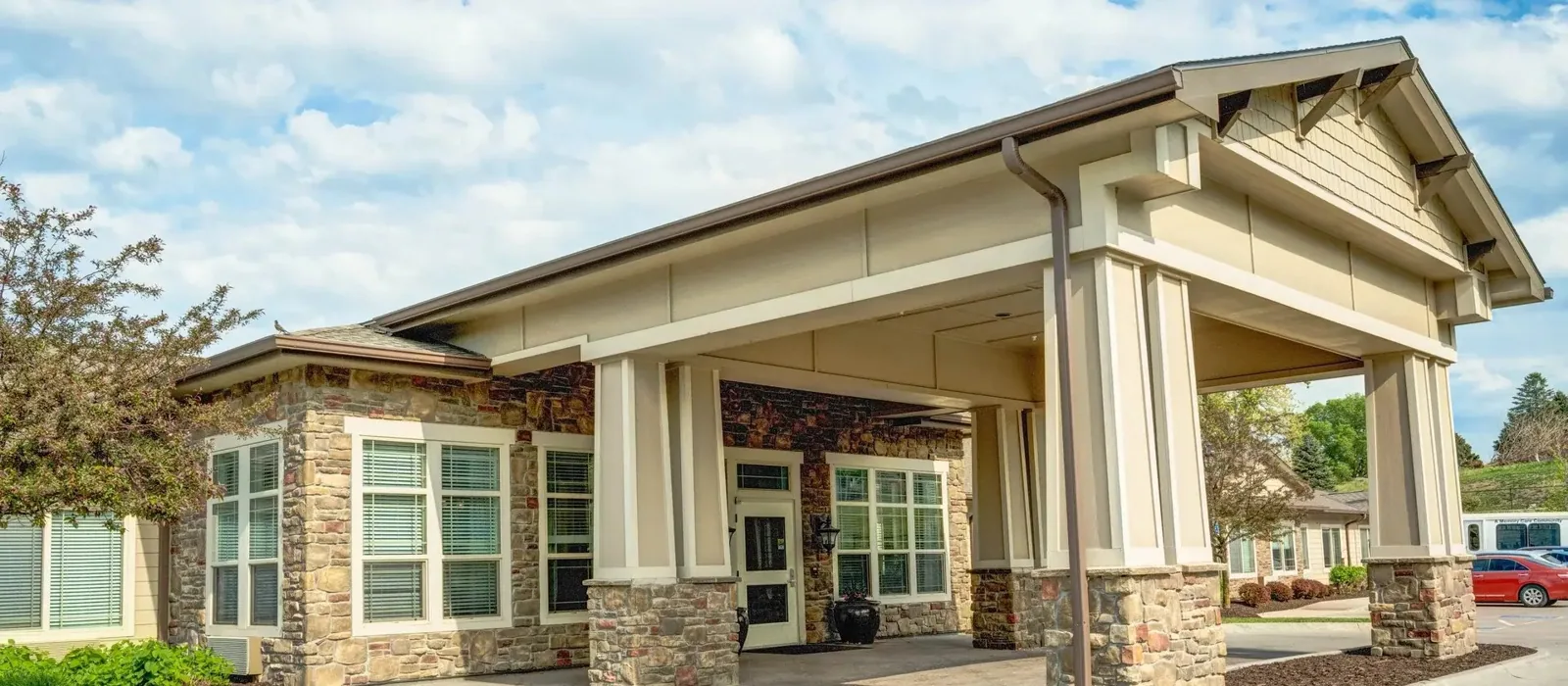
Restaurant Roofing
Talk to Commercial Roofing Westminster
Call 555-555-5555 or send a request and we will schedule a visit to look at the roof, explain what we find and lay out your options.