
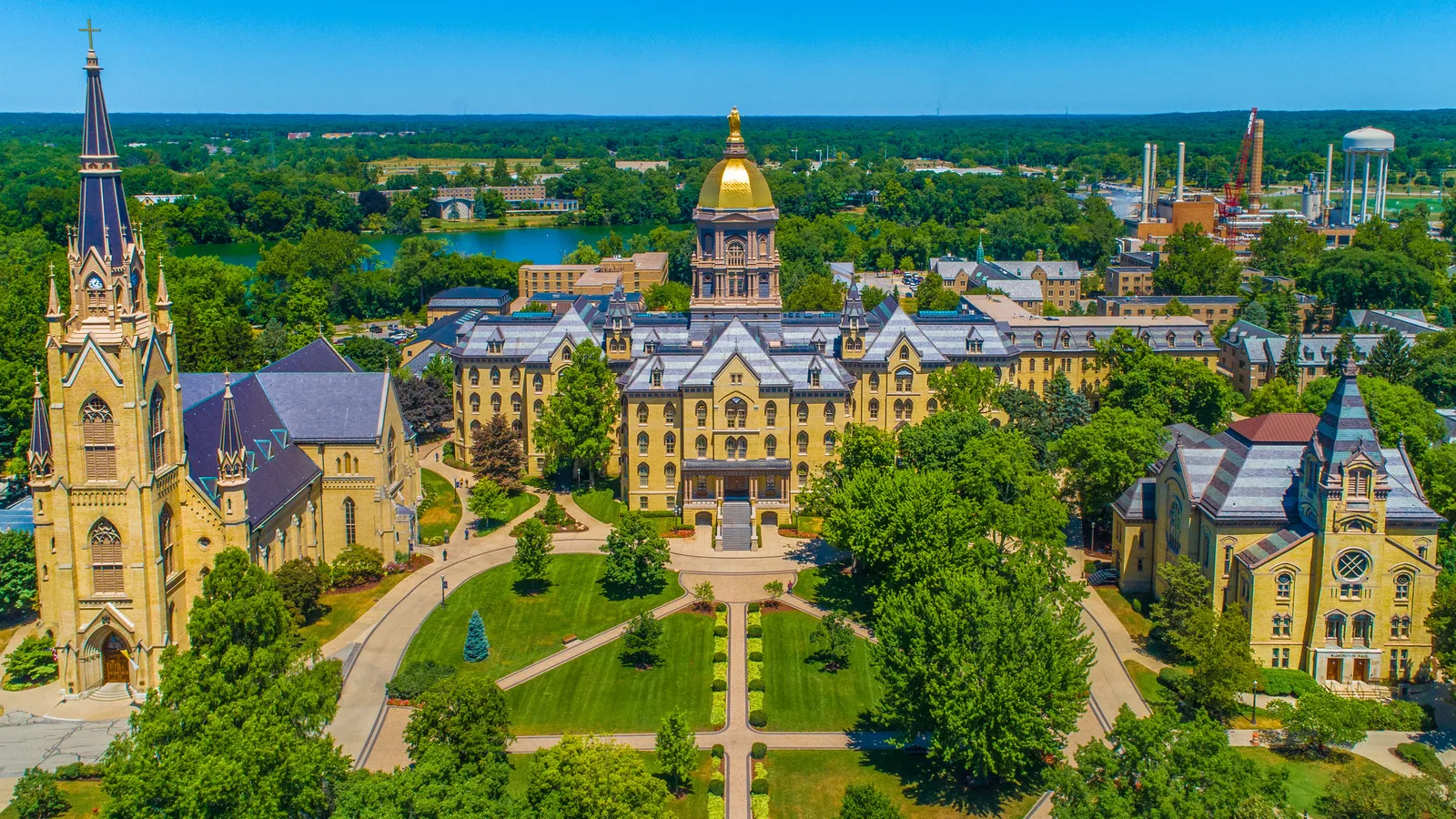
College and University Roofing in Westminster, CO
Coordinate Westminster campus roofing with class schedules, residence areas, labs, and equipment. Inspect drainage and roof details before planning work.
College and University Roofing
Following a hail report, start a campus roof walk above the scheduled classrooms, labs, and residences before setting access. A lecture hall, lab, office, and residence wing can have different access rules even when they share one roof. The May 2024 hail report near Westminster gives facilities a reason to schedule a campus inspection and record each building separately. We map each roof section and plan work around classes, research, events, and building access.
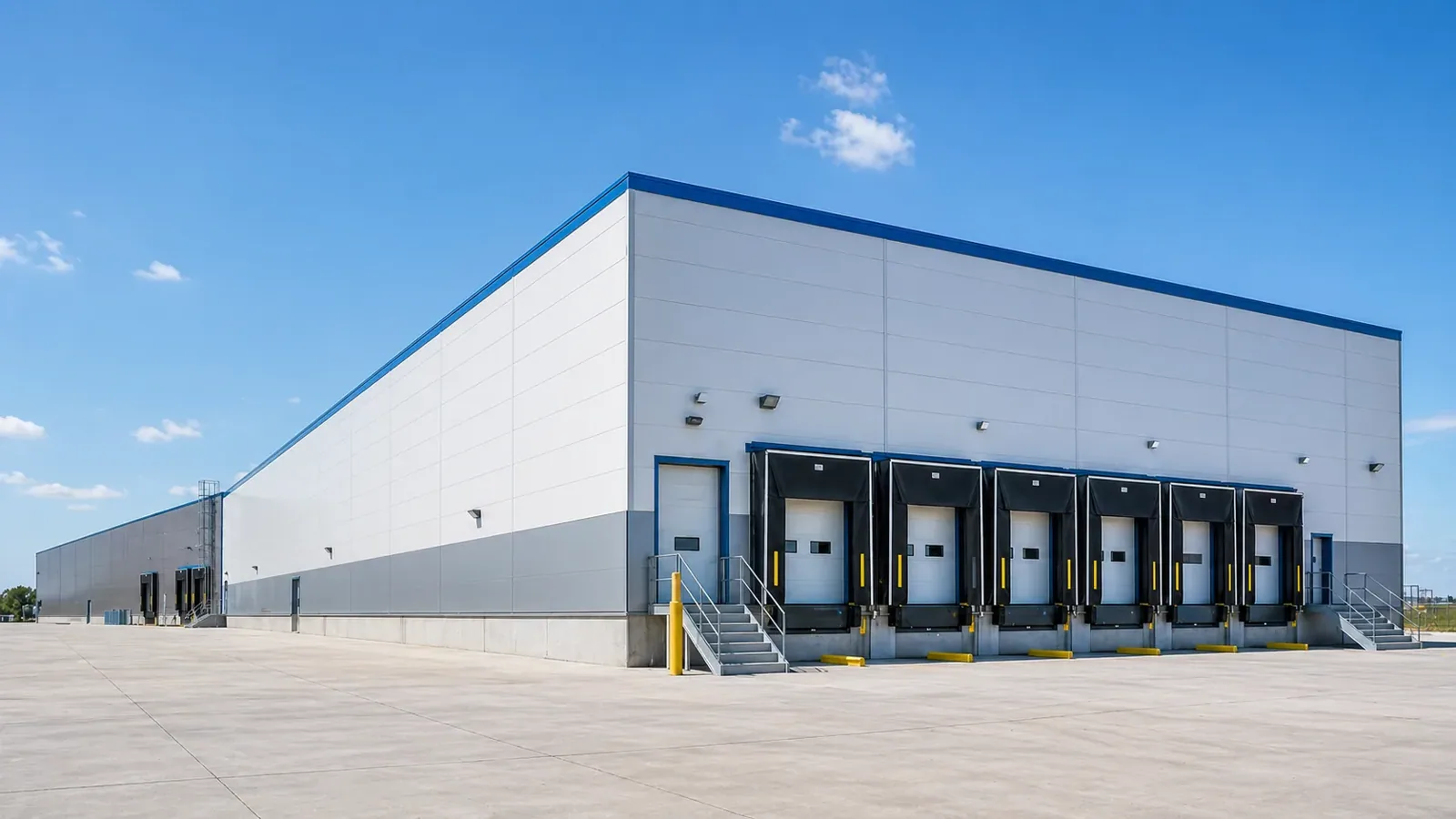
Map buildings and roof sections separately
A college or university property may include classrooms, labs, offices, student services, dining, recreation, and residential space. A campus map helps identify who uses each building and where a leak could disrupt activity. We mark drains, roof hatches, curbs, skylights, seams, and equipment on the roof plan. A report links those observations to the relevant room or building zone.
Westminster's commercial geography includes the Westminster Station district, a planned mixed-use area near the U.S. 36 and Federal Boulevard interchange, and the Church Ranch / U.S. 36 commercial node. These places help orient travel and access planning. The Westmoor Technology Park is another U.S. 36 area reference near Jefferson County Airport. A campus visit still begins with the actual building and roof plan, because the named commercial area cannot determine which assembly or access controls a school uses.
A K-12 school roof walk can center on student arrival, classroom hours, and district calendars. A medical-office inspection has clinical access needs. Campus facilities may add laboratory exhaust, research equipment, housing, or event schedules to the roof plan.
Check the roof after local weather
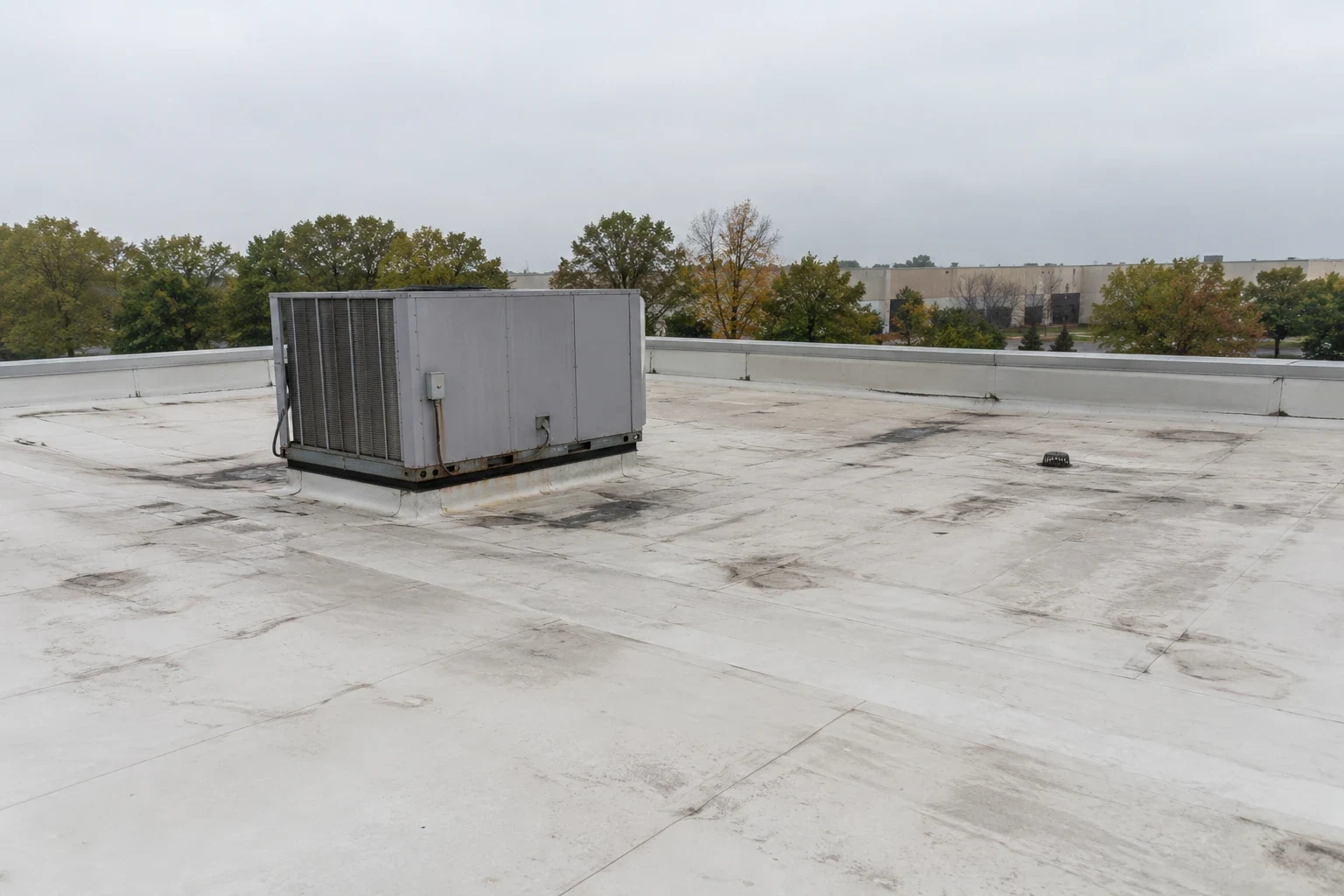
The May 2024 regional storm timing can help prioritize exposed roof zones on a multi-building campus. Document each structure's condition and photograph field seams, skylight lenses, coping, and rooftop equipment by roof zone. A hail damage inspection records findings and distinguishes impact from aging, prior repair, or unrelated wear.
After snowmelt, inspect the campus drains, overflows, low spots, and parapet corners that control each roof's drainage. Water staining below a drain does not establish a failure until the outlet and path are checked. Wind and heat can affect other details, so we record weather timing alongside the roof observations.
If the campus has several buildings, inspect and record each roof separately. A condition at one building cannot be assumed on another, even if the roofs appear similar from a distance. The owner receives a map that says which sections were visited and which access limitations remain.
Trace interior reports to a roof detail
Leaks in an academic building can affect ceiling systems, library collections, computers, lab benches, or residential space. The facilities contact identifies sensitive areas before the roof is opened. We compare room reports with seams, penetrations, drainage, and equipment above. Water may travel beyond the entry, so the nearest roof feature is not necessarily the source.
A leak investigation defines the observed path, temporary protection, and next diagnostic step. If moisture is suspected below the membrane, a test or survey can be considered after reviewing the assembly. Any proposed opening states the size, protection below, and method for closing the roof before the shift ends.
Separate reports remain separate on the map until inspection connects them. We document room, time, weather, roof bay, and any prior repair. That record lets campus staff track recurrence and helps avoid extending one scope to areas that have not been inspected.
Work between the campus commitments
Academic calendars create openings, but they do not automatically make every roof accessible. Summer programs, research activity, orientation, dining, and events can continue when classes are out. The campus contact confirms building hours, escort rules, loading access, noise limits, and emergency routes before we set mobilization. Events, move-in days, athletic schedules, and public lectures can change the path through a building without changing the roofing scope. Facilities should flag those dates and tell us which doors or paved areas must stay clear so the crew can choose another staging point and restore access.
Work can be phased across wings or buildings so occupied areas remain protected. Each phase has a roof boundary, material route, interior barrier, closure time, and inspection point. An occupied-building reroof plan can show how crews move while facilities keeps unaffected areas open. For isolated repairs, the same planning keeps a short work zone clear of pedestrian traffic.
Labs or equipment rooms may require added coordination if a unit must remain active or a roof route passes near a restricted space. The owner provides the procedure; our superintendent follows it and reports before conditions change. A schedule is revised if the roof surface or weather makes the planned work unsafe.
Set a campus roof review around the calendar
Share the Westminster campus or building location, roof map, affected room, academic and event schedule, lab restrictions, roof access, and recent weather or leak timing. We will document the condition and work boundary.
Connect repair evidence to budget choices
A split seam, puncture, drain defect, or failed curb flashing can be a targeted repair when surrounding materials remain serviceable. We identify roof system, repair compatibility, tie-in area, and any wet insulation found. The proposal describes exactly what is included and whether concealed conditions could alter the scope.
Repeated leaks or broad moisture may point toward a recover or replacement review. A recover needs acceptable moisture, attachment, height, drainage, deck, and code conditions. A full renewal may require stripping old layers, selecting insulation and cover board, installing compatible membrane, rebuilding perimeter details, and setting phases around the academic calendar. Cost and duration depend on roof area, access, materials, equipment coordination, and what appears after opening.
For a Westminster campus project, coordinate the proposed assembly with the city's 2021 building and energy-code review. The project's permit needs depend on scope. Facilities can provide available roof records; we identify the proposed system and coordinate the applicable review instead of inferring compliance from the apparent age of a campus building.
Keep campus records usable across terms
Equipment upgrades, lab exhaust changes, and rooftop service can alter penetrations or traffic routes. Add those changes to the roof plan with date, building, zone, and detail. Store photos with inspection and repair records so the next facilities review can compare the same location rather than restart without context.
A scheduled roof maintenance visit can check drainage, seams, flashings, and access paths before a weather change. A roof condition inspection can prioritize urgent repairs and note capital questions that require testing. Visits can align with campus closures, equipment service, or times when sensitive rooms are available.
Closeout lists completed work, areas not accessed, protection removed, and follow-up needs. For a multi-building campus, the record should identify which roof was inspected and retain a separate map for each building. That keeps one finding from becoming an unsupported assumption about the rest of the property.
Commercial Roofing Questions
Can roof work happen while classes are in session?
Many repairs can be planned during the academic term if routes, noise, protection, and room use are coordinated. Sensitive areas may need another work window.
Does hail near Westminster mean a campus roof was hit?
No. A nearby report is a reason to inspect. The campus roof and documented evidence determine whether repair is needed.
How are multiple buildings handled?
Each roof receives its own map, photos, observations, and scope. Similar appearance or age does not establish identical conditions.
What if a leak is reported in a laboratory?
The facility identifies equipment, room access, and protection requirements. We trace the roof condition and agree on a safe opening and closure plan before work.
What information makes a campus visit more efficient?
Provide building plans, affected rooms, academic and event calendars, lab or housing restrictions, roof access, recent weather, and prior repair records.
Related Roofing Work
Westminster Station
Read more
Church Ranch and U.S. 36
Read more
Westmoor Technology Park
Read more
School Roofing
Read more
More Property Types We Roof in Westminster
See the rest of our property types we roof for Westminster commercial buildings, or call 555-555-5555 to talk through your roof.
College and University Roofing
Talk to Commercial Roofing Westminster
Call 555-555-5555 or send a request and we will schedule a visit to look at the roof, explain what we find and lay out your options.