
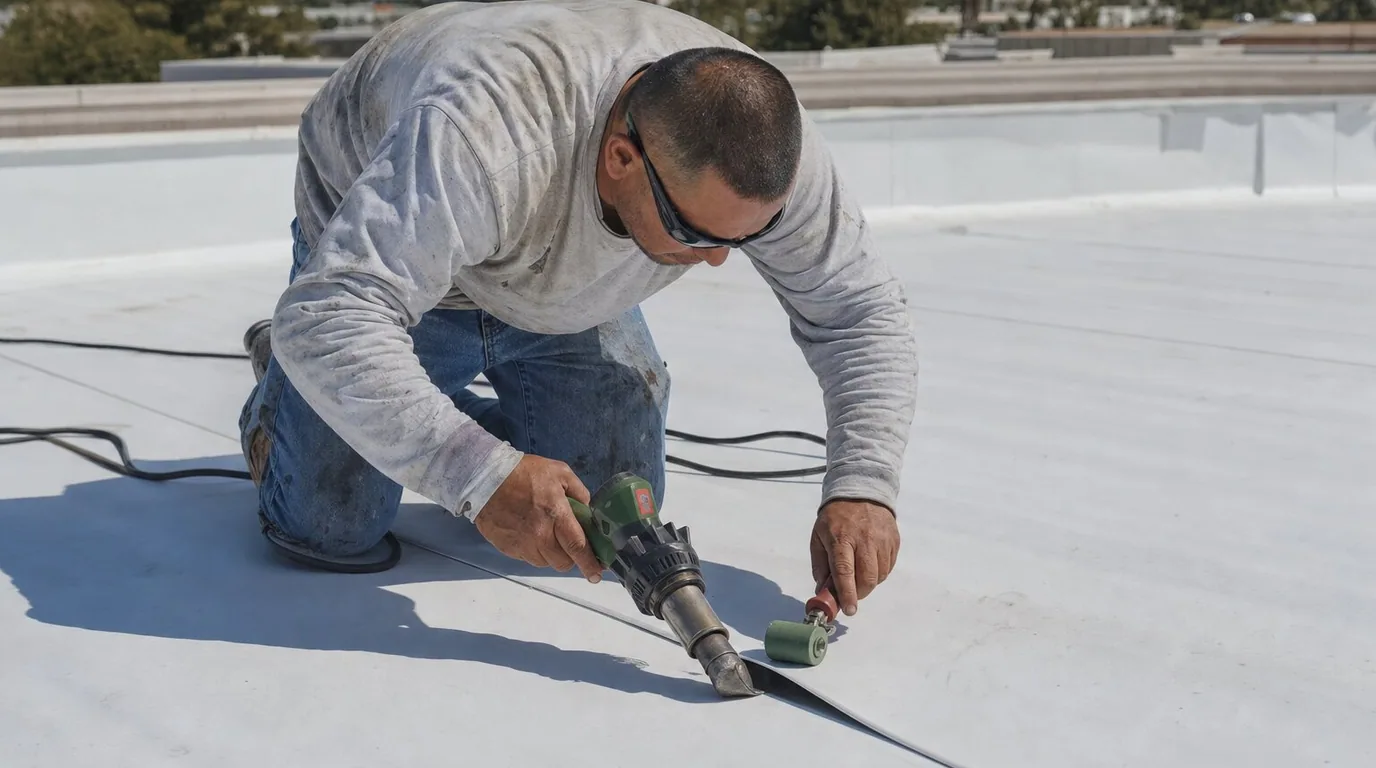
Versico Commercial Roofing in Westminster, CO
Review Versico TPO, EPDM, PVC, and fleece-backed commercial roofing for Westminster buildings by membrane, attachment, transition, and roof condition.
Versico Commercial Roofing
A roof with a Versico detail needs the correct membrane family before a repair begins. Confirm whether the installed field is VersiWeld TPO, VersiGard EPDM, VersiFlex PVC, or a fleece-backed assembly. Westminster weather can bring heat, hail, wind, and winter conditions. Use that context to plan the inspection, then let the building's seams, edges, drains, and records set the work.
Identify the Versico product family
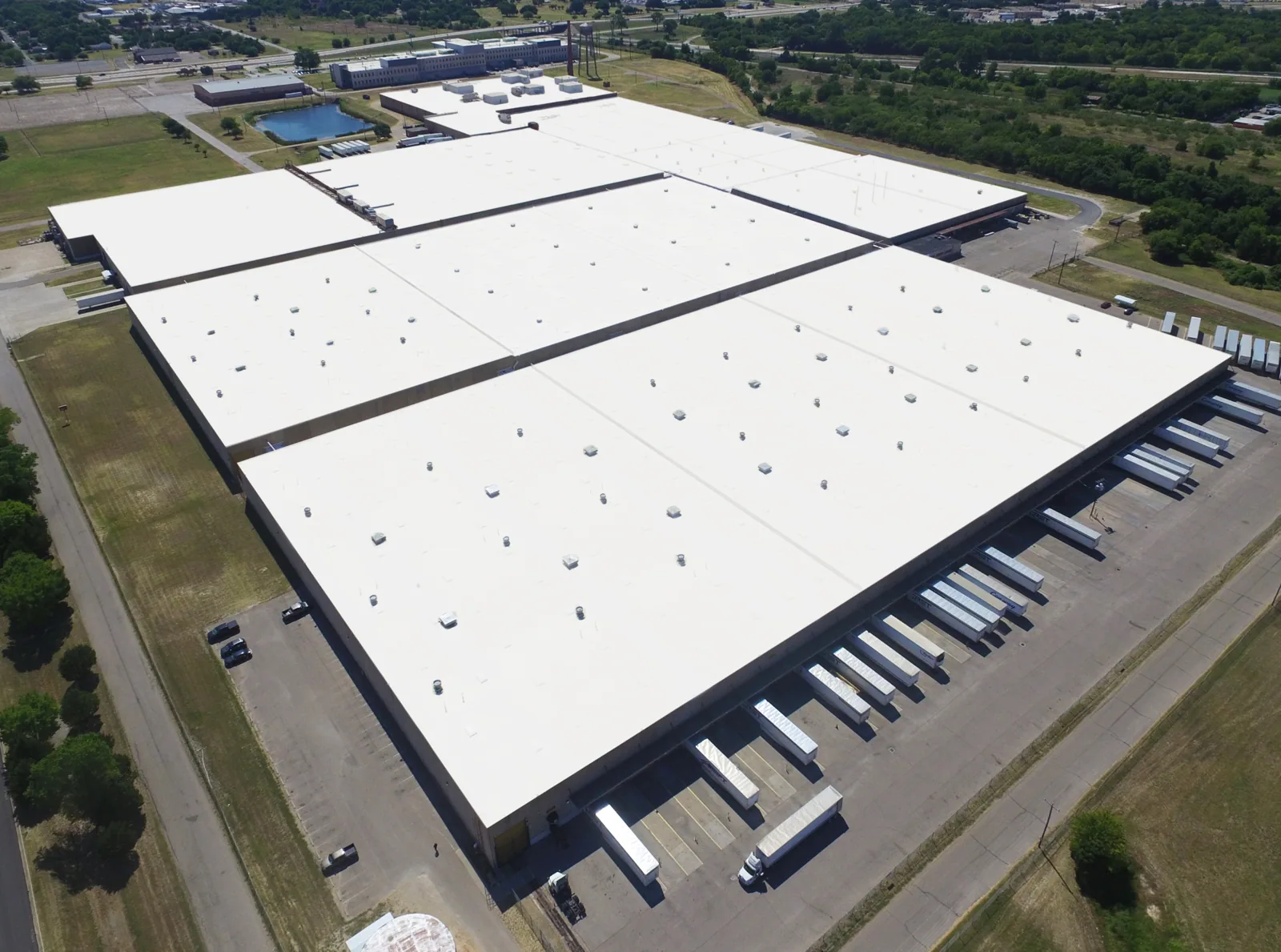
VersiWeld is Versico's TPO membrane line; its seams are heat-welded. VersiGard is the EPDM family, with reinforced and nonreinforced versions and different seam treatments. VersiFlex is PVC, which also uses thermoplastic welding but has its own formulation and accessories. VersiFleece pairs membrane with a fleece backing and requires the specified adhesive and substrate condition.
Product names are a starting point, not a field identification. Check closeout documents, membrane marks, accessory shapes, seam construction, and fastening details. A Carlisle SynTec TPO or EPDM roof and a GAF single-ply assembly may occupy the same broad categories, but their repair materials and detail instructions need to match the specific roof.
For a layered or renovated building, map the product and phase by roof zone. Identify whether a prior patch uses another membrane or a liquid flashing product. If a transition is unclear, document it before cutting or covering it. Using the wrong primer or welding a membrane that is not compatible can create a new defect at the repair edge.
Check how the roof is secured
Versico lists mechanically attached, adhered, induction-welded, and RapidLock options across product families, with options depending on the specific membrane. A self-adhered product or fleece-backed sheet has its own preparation and bonding requirements. Do not infer attachment from the exposed surface alone. Look for plans, fasteners, plates, adhesive traces, and field details.
For mechanically attached work, compare fastener rows and perimeter patterns with the roof plan and approved design. For adhered assemblies, check the substrate and adhesive bond. Induction welding uses compatible plates and equipment. RapidLock is a proprietary attachment approach, so identify the installed components and follow the product detail rather than treating it as a generic adhesive system.
A replacement scope should identify deck, insulation, cover board, attachment, membrane, perimeter, and penetrations. At Circle Point, separate roof logs let an owner compare the two existing office buildings without assuming their membranes or repair histories match. A Circle Point inspection should record the individual building, system, access, roof height, and any attachment evidence before design decisions are made.
Test the right seam and flashing
On VersiWeld TPO and VersiFlex PVC, prepare and weld compatible membrane, then inspect the cooled seam using the specified method. Check lap width, intersections, curb corners, pipe boots, and any repair strip. Contamination, wind, and surface temperature can affect the weld process. Make a test weld when conditions or equipment settings change and record the result.
On VersiGard EPDM, inspect tape or adhesive seams, primer coverage, flashing, and terminations. EPDM will not be corrected by simply applying a TPO welding method. Fleece-backed products require the selected bonding material to reach the specified contact and cure conditions. Confirm the entire assembly before selecting a patch or flashing accessory.
Water can enter at drains, scuppers, parapets, edge metal, skylights, and rooftop equipment. Inspect the roof detail and compare it with the interior report. If the entry point is still uncertain, define a moisture test or controlled opening. A drain and scupper repair should restore the drain connection and maintain a clear path to the outlet.
Choose for the project, not the label
Compare the intended membrane with roof slope, drainage, deck, foot traffic, equipment, interior function, and expected maintenance. A reflective surface may help reduce solar absorption, but it does not determine building energy use alone. Insulation, HVAC, roof geometry, and operating hours affect the result. Use the specified assembly and technical data when evaluating options.
The Westminster Promenade area includes retail, restaurants, entertainment, lodging, and event uses. Those activities can affect delivery windows, temporary access, and protection at entrances. Westmoor Technology Park has office and flex buildings with multistory structures. Height, equipment placement, and roof access need to be confirmed at the actual building before setting a construction plan.
Regional weather can prompt a review of roof history. The May 2024 storm brought documented roof damage across the northern metro. A Versico inspection should note impact evidence on the actual membrane, flashings, and exposed metal. That fact does not prove damage to an individual Versico roof. Record impact evidence on the building itself. A roof inspection can identify which areas were seen and which remain inaccessible.
Inspect a Versico commercial roof
Share the Westminster roof plan, known Versico product, leak report, repair history, and access details. We will identify the assembly and document compatible work options.
Set the repair limit in sound material
Trace reported water from the room to the roof zone and examine the suspected seam, penetration, and drainage path. Note whether the defect is open, damp, or previously patched. For thermoplastics, confirm membrane identity and make a test weld. For EPDM, use its specified tape, primer, adhesive, or flashing detail. For fleece-backed work, confirm the substrate and adhesive match the system.
Include sound material around the opening in the patch boundary. Repair a lifted edge or curb flashing as part of the transition, not as a bead of surface sealant. If wet insulation or deck damage may extend beyond the visible defect, define testing before closing the work. Separate emergency dry-in from permanent correction and list the return condition.
A roof repair proposal should name the confirmed Versico product, repair method, preparation, inspection check, and exclusions. For a broad scope, compare local work with recover or replacement only after reviewing the layers, attachment, moisture, edges, and drain conditions.
Keep inspection and warranty evidence current
Store product data, approved details, warranty paperwork, installation records, repair photos, and inspection logs with the building file. Track the roof zone, membrane family, attachment, and any changes from a later project. If a contractor changes a drain, curb, or edge, document the material interface and closeout photographs.
Westminster's economy spans technology, aerospace, health and life sciences, hospitality, financial services, and business support. A facility's hours and equipment needs can shape access. Keep those logistics in the work plan and keep technical conclusions tied to roof evidence. Do not assume the same service window or membrane condition across an entire portfolio.
At a Westminster property, share the roof plan, product name if known, leak timing, prior repairs, and access contact. We can inspect the assembly and prepare compatible work options. The closeout should identify what changed, what was not opened, and whether a later inspection or maintenance visit is needed.
Close the loop after the crew leaves
Record the repaired area, materials, preparation, seam or bond check, photos, and return item. If the roof was temporarily protected, state who will complete the permanent work and when conditions will be reviewed. Keep the repair map with the roof plan so another person can find the same location.
For a multi-building owner, use a common report structure but keep each roof's observations separate. A repeat issue may be tied to a specific drain or equipment curb, not every building with a Versico label. A roof asset record can preserve the site-specific service history for later planning.
Provide the building, roof section, membrane identification, and operating constraints when requesting service. We will confirm what can be seen, note open questions, and define the repair boundary. That leaves the next decision tied to the actual assembly rather than a general product name.
Commercial Roofing Questions
What membranes does Versico offer for commercial roofs?
Its commercial lines include TPO, EPDM, PVC, and fleece-backed options. The installed product determines the correct repair detail.
Can VersiWeld be repaired with VersiFlex accessories?
Do not assume TPO and PVC components are interchangeable. Confirm the membrane and follow the assembly-specific detail.
What is RapidLock?
It is a Versico attachment approach available for certain assemblies. Identify its components and follow the applicable system documents.
Do hail reports establish damage at a Westminster property?
No. Inspect the roof and record the property's own impact evidence, open details, and any inaccessible areas.
What should we provide for a Versico roof inspection?
Send the roof plan, product information, repair history, leak location, and access contact so the visit can target the correct area.
Related Roofing Work
Carlisle SynTec Commercial Roofing
Read more
GAF Commercial Roofing Systems
Read more
Commercial Roof Replacement
Read more
Circle Point
Read more
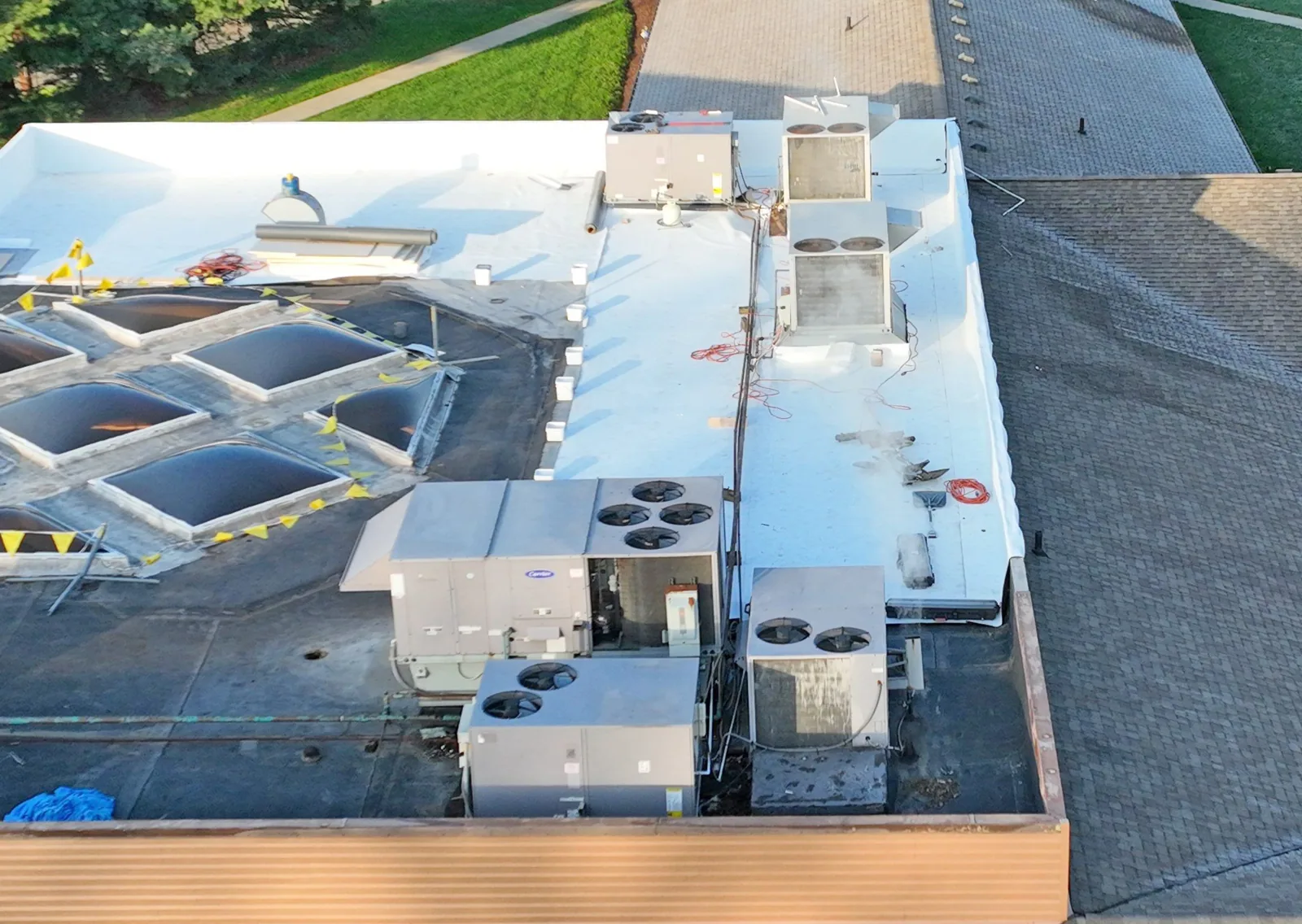
More Roofing Manufacturers in Westminster
See the rest of our roofing manufacturers for Westminster commercial buildings, or call 555-555-5555 to talk through your roof.
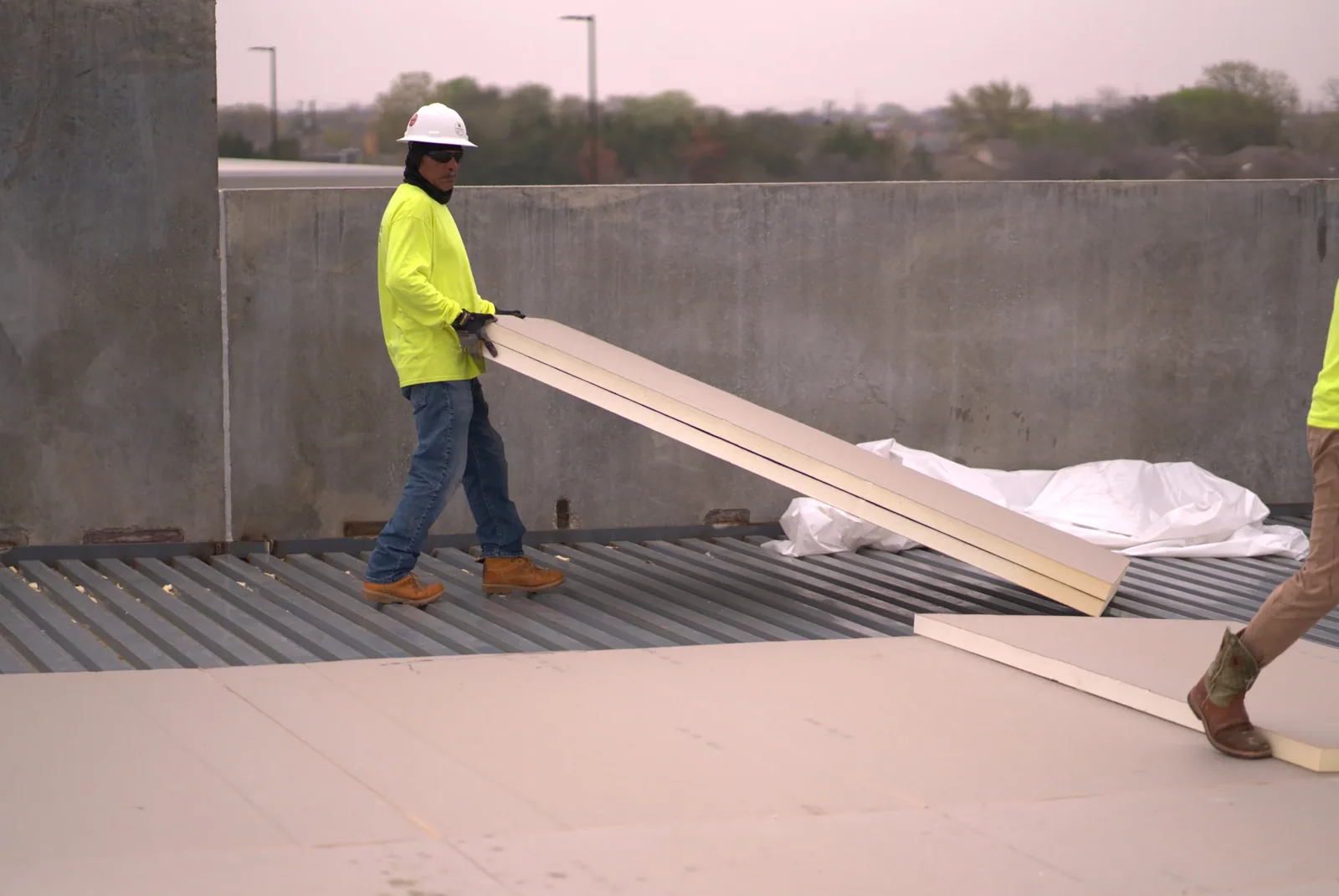
Versico Commercial Roofing
Talk to Commercial Roofing Westminster
Call 555-555-5555 or send a request and we will schedule a visit to look at the roof, explain what we find and lay out your options.