
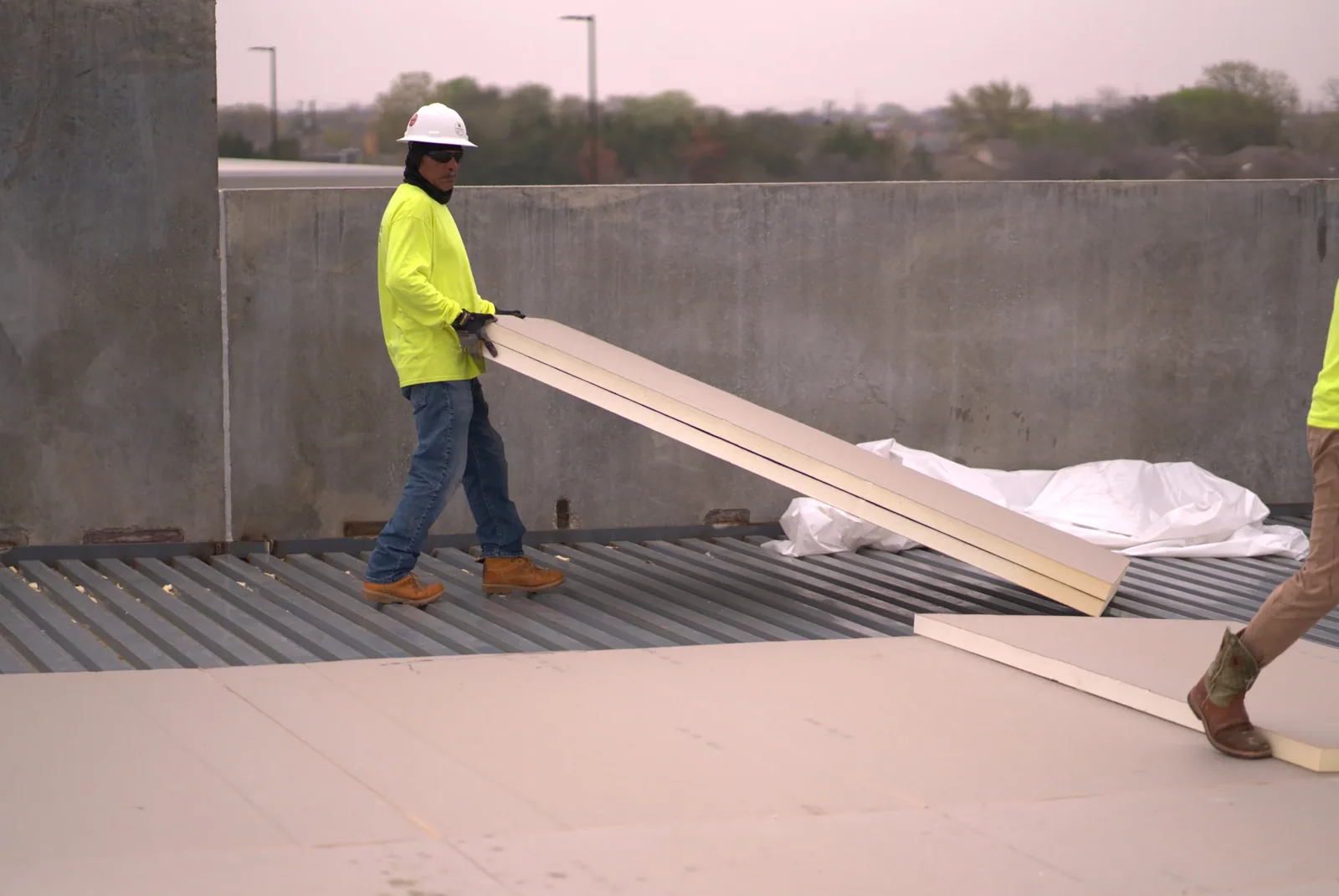
Carlisle SynTec Commercial Roofing in Westminster, CO
Review Carlisle SynTec TPO, EPDM, and PVC roof assemblies for Westminster buildings by membrane, seam, attachment, flashing, and current roof condition.
Carlisle SynTec Commercial Roofing
A loose edge on a Carlisle roof needs more than a brand-name patch. Confirm which membrane is installed, how it is attached, and which detail has moved. Carlisle SynTec's commercial line includes Sure-Weld TPO, Sure-Seal EPDM, Sure-Flex PVC, and fleece-backed options. In Westminster, heat, hail, wind, and winter conditions make the building-level inspection the starting point.
Identify the Carlisle membrane
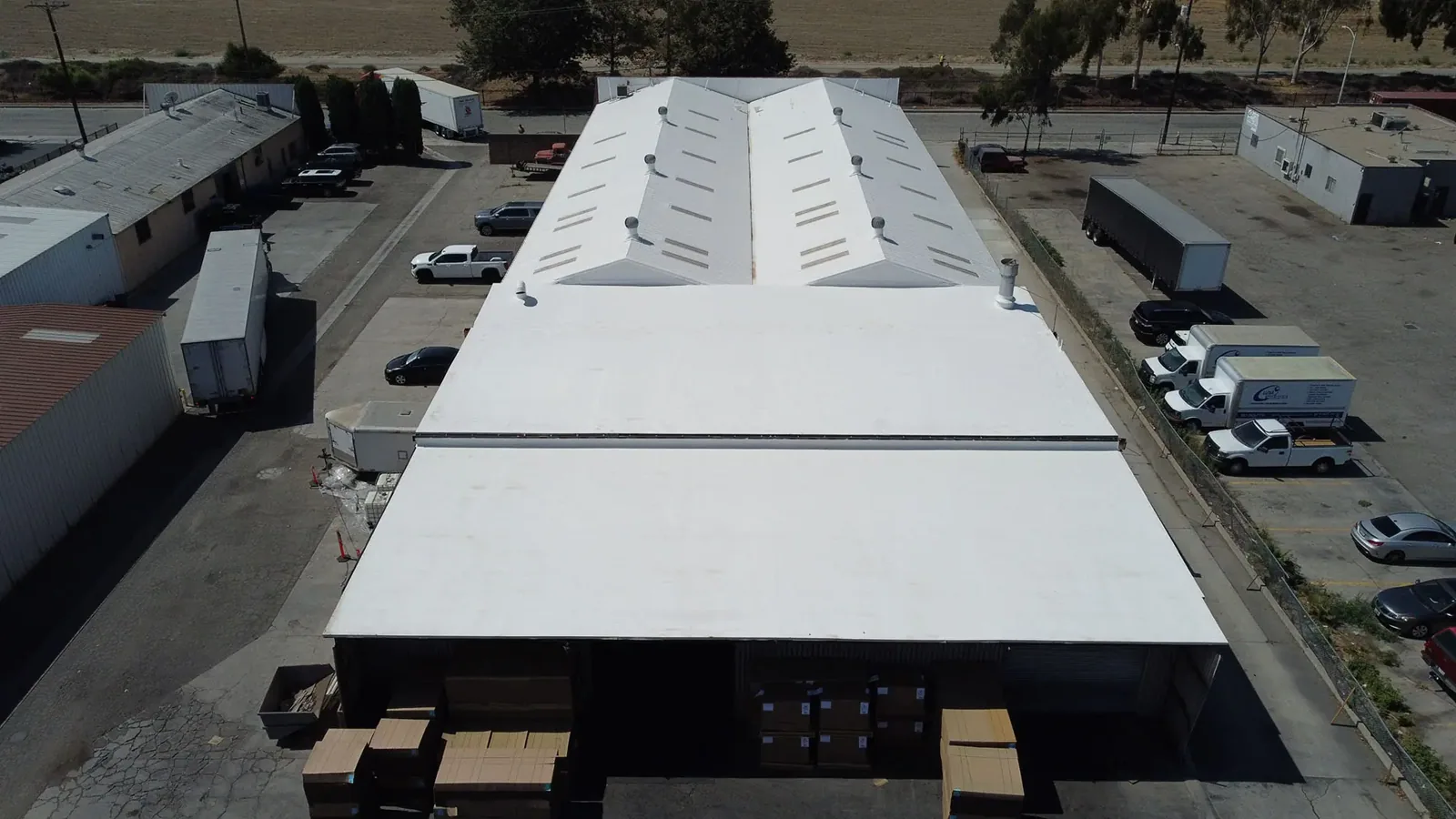
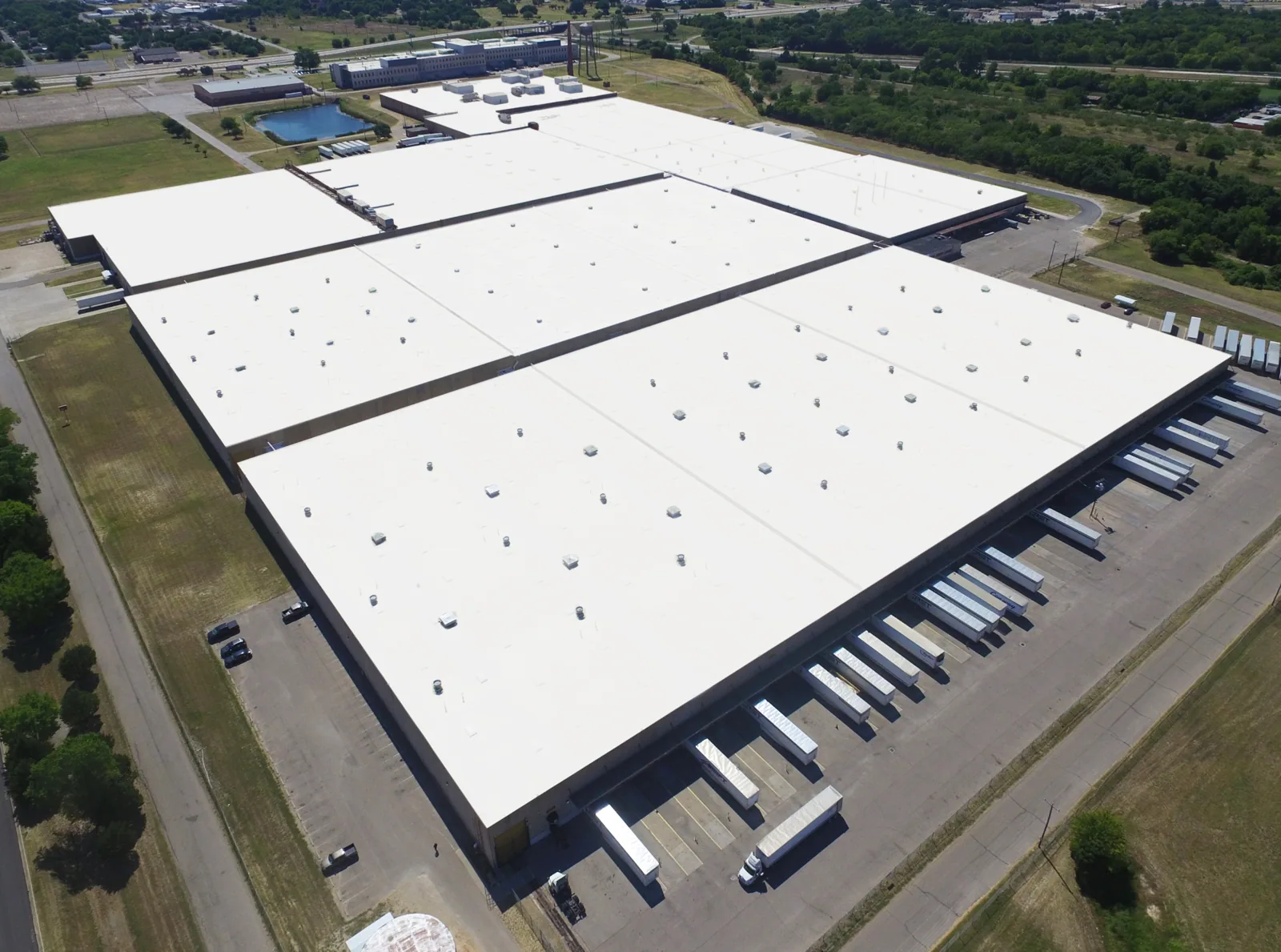
Sure-Weld is Carlisle's TPO family. Thermoplastic seams are heat-welded, so a repair depends on clean material, compatible membrane, and a verified weld. Sure-Flex is the PVC line, while Sure-Seal is EPDM, a rubber membrane with different seam and flashing methods. Fleece-backed products add a fabric layer beneath the sheet and call for the specified adhesive and substrate preparation.
Do not identify a roof from color alone. Check project records, labels, fasteners, seams, accessories, and any repairs already present. A GAF TPO or PVC system is not interchangeable with Carlisle product just because the chemistry has a similar name. A Johns Manville membrane may use its own accessories and detail requirements as well. Match the repair to the system on the building.
For an existing roof with undocumented phases, map each area separately. A transition may join a newer single-ply section to older bitumen or metal. Record where the materials meet and whether the water path follows that joint. If the assembly remains uncertain, request project records or investigate a controlled location before selecting a broader repair method.
Review how the membrane is held in place
Carlisle TPO and other single-ply systems can use mechanically attached, adhered, or induction-welded assemblies where the approved design permits. Each method creates a different load path through membrane, insulation, plates, fasteners, and deck. Confirm the specified assembly rather than inferring attachment from a few exposed fasteners or a smooth surface.
Mechanically attached systems need a documented fastener pattern and edge-zone review. Adhered membranes depend on substrate condition, adhesive coverage, and application conditions. Induction welding uses a compatible plate and heat process that secures membrane at the plate. Fleece-backed products need the designated adhesive and a surface suitable for bonding. A replacement specification should identify those layers and details from deck upward.
At Circle Point, office buildings occupy the Westminster U.S. 36 corridor. Their roof records and assemblies should stay tied to the individual building. A Circle Point roof inspection can record membrane identification, edge zones, roof height, access route, and equipment before a repair or reroof is proposed.
Check seams and transitions before patching
On a TPO or PVC roof, probe the cooled weld along its full length after proper preparation. Look for skipped welds, contamination, fishmouths, open corners, and stress at curb bases. A test weld can establish suitable equipment settings for current surface and weather conditions. Do not use an untested temperature from another roof or assume a seam is sound because it looks flat.
EPDM needs its specified seam tape, primer, adhesive, or flashing components. A field repair that uses a thermoplastic welding method will not correct an EPDM seam. Check the lap, termination, corner, and adjoining substrate. Where the sheet has shrunk or a detail has separated, locate the stress and determine whether the repair needs a larger boundary.
Drains, scuppers, parapets, skylights, expansion joints, and equipment curbs can concentrate movement. Inspect the flashing height, termination, metal condition, and membrane attachment. A perimeter metal repair should coordinate with the membrane termination instead of fastening through a finished roof without reviewing the detail. Keep temporary protection separate from the permanent correction.
Fit the assembly to the building
Compare the roof slope, drainage, deck, insulation, interior use, access, foot traffic, and equipment with the available system options. A reflective TPO or PVC surface does not determine energy performance by itself. Insulation level, roof configuration, ventilation, HVAC operation, and site conditions all matter. EPDM and thermoplastics each have strengths and limitations that must be weighed against the project requirements.
Westmoor Technology Park contains multistory office buildings in the U.S. 36 corridor. A roof design there should account for building height, perimeter conditions, equipment, and access on the specific structure. Retail nodes around Church Ranch Road and 104th Avenue have customer and tenant circulation below, which can affect staging and phasing. Those local conditions guide logistics, not the manufacturer selection by themselves.
For a recover, verify existing layers, attachment, moisture, deck condition, and edge termination before keeping material in place. For replacement, define tear-off, disposal, insulation, cover board, membrane, drainage, and tie-ins. A roof recover review can assess whether a new layer is feasible; it cannot replace testing when concealed moisture or deck conditions remain in question.
Inspect a Carlisle SynTec roof
Share the Westminster building, roof plans, membrane label, repair history, and access contact. We will check the assembly and document compatible repair or replacement options.
Keep the system serviceable
Maintenance records should identify roof zones, open seams, clogged drains, punctures, foot-traffic paths, and prior repairs. Carlisle's documents can help identify compatible materials and details, but the installed product and actual warranty control the work. Keep data sheets, installation details, repair approvals, and inspection photos in the building's roof file.
The May 2024 northern-metro storm left documented roof damage, so inspection photos should identify the component and exact roof zone observed. Use that context to review a roof's own records and observations. Do not conclude that a particular Carlisle assembly was affected without inspecting it. A maintenance visit can document the visible condition and identify where further testing or repair is needed.
If another trade opens the roof, record the location, membrane patch, flashing, and closeout photos. Check that the repaired detail matches the assembly before accepting the closeout. If the product cannot be confirmed, document the uncertainty and use a compatible, approved investigation before applying additional layers.
Plan work around the actual roof
For repair, list the Carlisle membrane, defect, preparation, compatible accessories, repair limits, and closeout check. For replacement, identify the attachment method, insulation, cover board, edge details, drains, and equipment interfaces. State exclusions and any concealed condition that could change the work. A clear scope prevents a proposed repair from expanding into unrelated roof areas without a documented decision.
Occupied office and retail buildings may need phased work, tenant notices, protected entries, and a daily dry-in plan. Set access and staging before removing material. Check forecast and surface conditions against the product requirements, especially when adhesive or coating is involved. If the roof cannot be closed that day, establish suitable temporary protection and a return plan.
For Westminster, share roof plans, Carlisle product information if available, leak reports, prior repair photos, and access details. We can inspect the installed assembly, verify the affected detail, and separate immediate repair from broader planning. The proposal should name the building, zone, membrane, and next action so the owner can compare the work with the observed condition. Keep the completion date and any return visit with the project record.
Commercial Roofing Questions
What is the difference between Sure-Weld and Sure-Seal?
Sure-Weld is Carlisle's TPO line, while Sure-Seal is EPDM. Their seams, flashing, and repair materials differ.
Can an EPDM roof be repaired with TPO accessories?
Do not assume compatibility. Identify the membrane and use seam and flashing components specified for that roof system.
Does fleece backing make a roof ready for any adhesive?
No. The specified adhesive, substrate, coverage, and installation conditions still need to match the assembly.
How do we check a Carlisle TPO seam?
After preparation and welding, probe the cooled seam using the system's inspection method and document any skipped or weak areas.
Can a Carlisle roof be recovered instead of replaced?
That depends on layers, moisture, attachment, deck, and perimeter conditions. Inspect and test the existing roof before recommending a recover.
Related Roofing Work
GAF Commercial Roofing Systems
Read more
Johns Manville Commercial Roofing
Read more
Commercial Roof Replacement
Read more
Circle Point
Read more
More Roofing Manufacturers in Westminster
See the rest of our roofing manufacturers for Westminster commercial buildings, or call 555-555-5555 to talk through your roof.
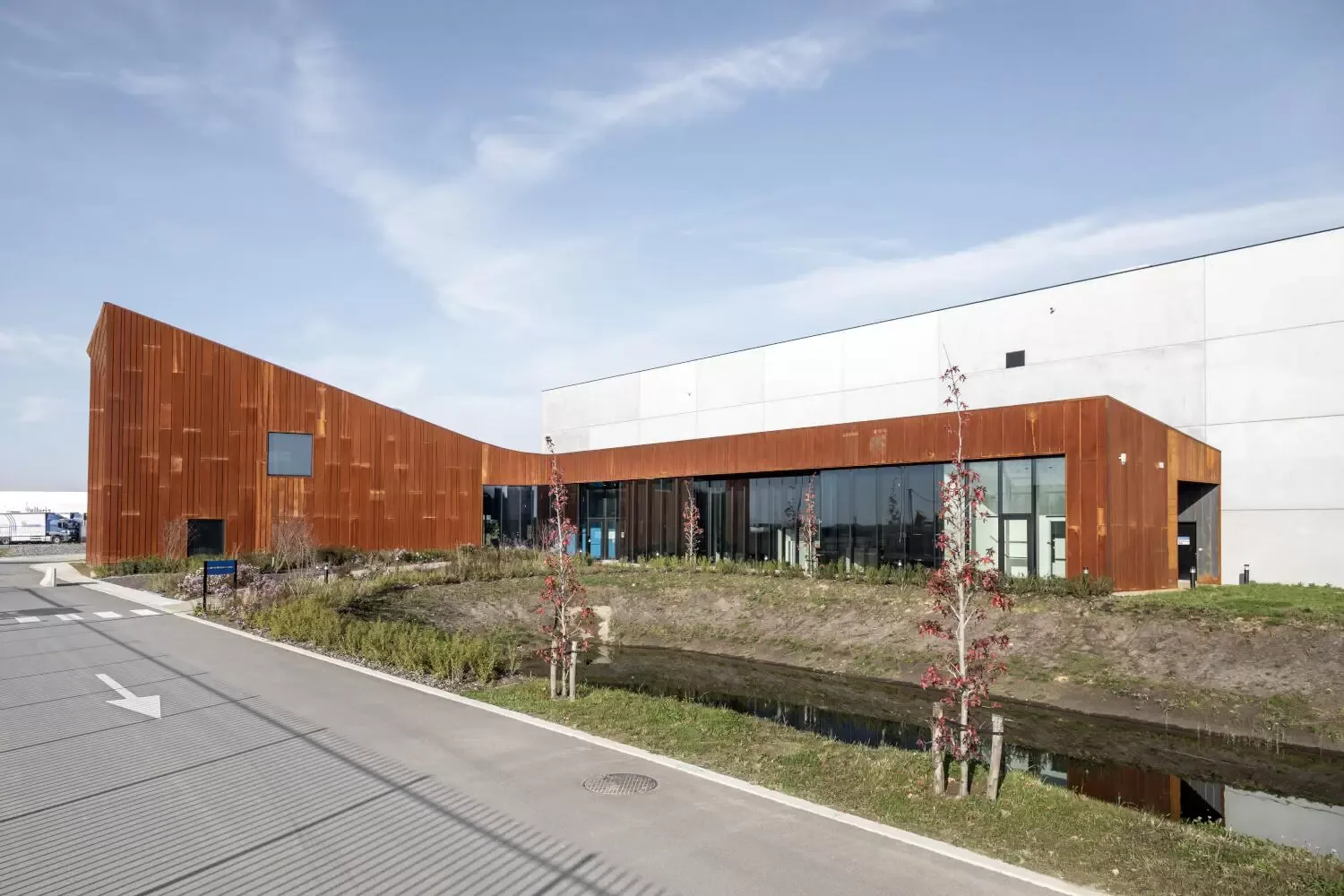
Carlisle SynTec Commercial Roofing
Talk to Commercial Roofing Westminster
Call 555-555-5555 or send a request and we will schedule a visit to look at the roof, explain what we find and lay out your options.