
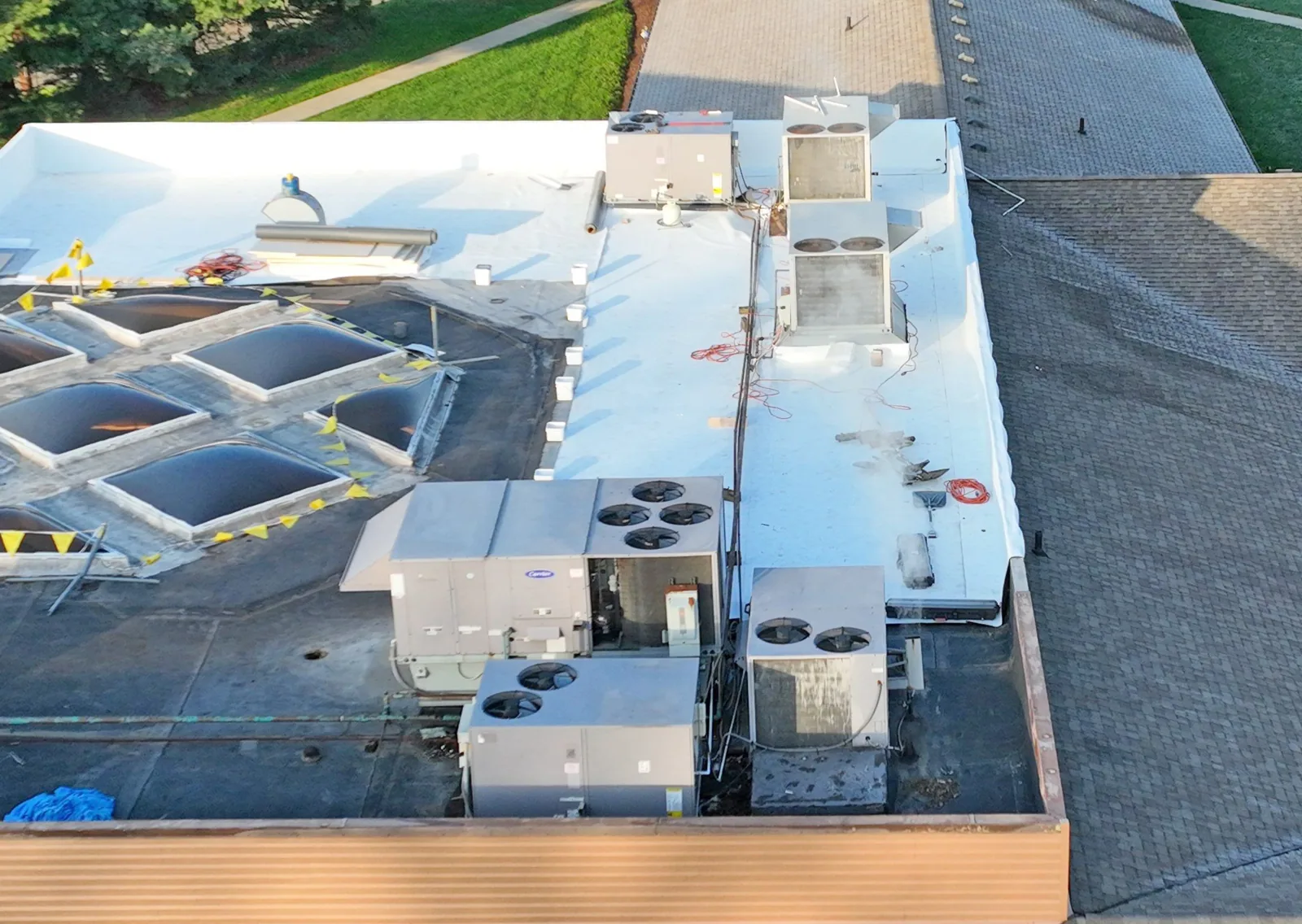
Johns Manville Commercial Roofing in Westminster, CO
Compare Johns Manville commercial roofing systems for Westminster buildings by membrane family, roof assembly, insulation, repair details, and project needs.
Johns Manville Commercial Roofing
A Johns Manville label can point to membrane, insulation, or cover board, so start by identifying the full roof assembly. JM offers TPO, PVC, EPDM, SBS, APP, built-up roofing, coatings, and system components. In Westminster, heat, hail, snow, and wind are part of the regional exposure. The roof walk should show which materials and details are on the subject building.
Read the JM system by layer
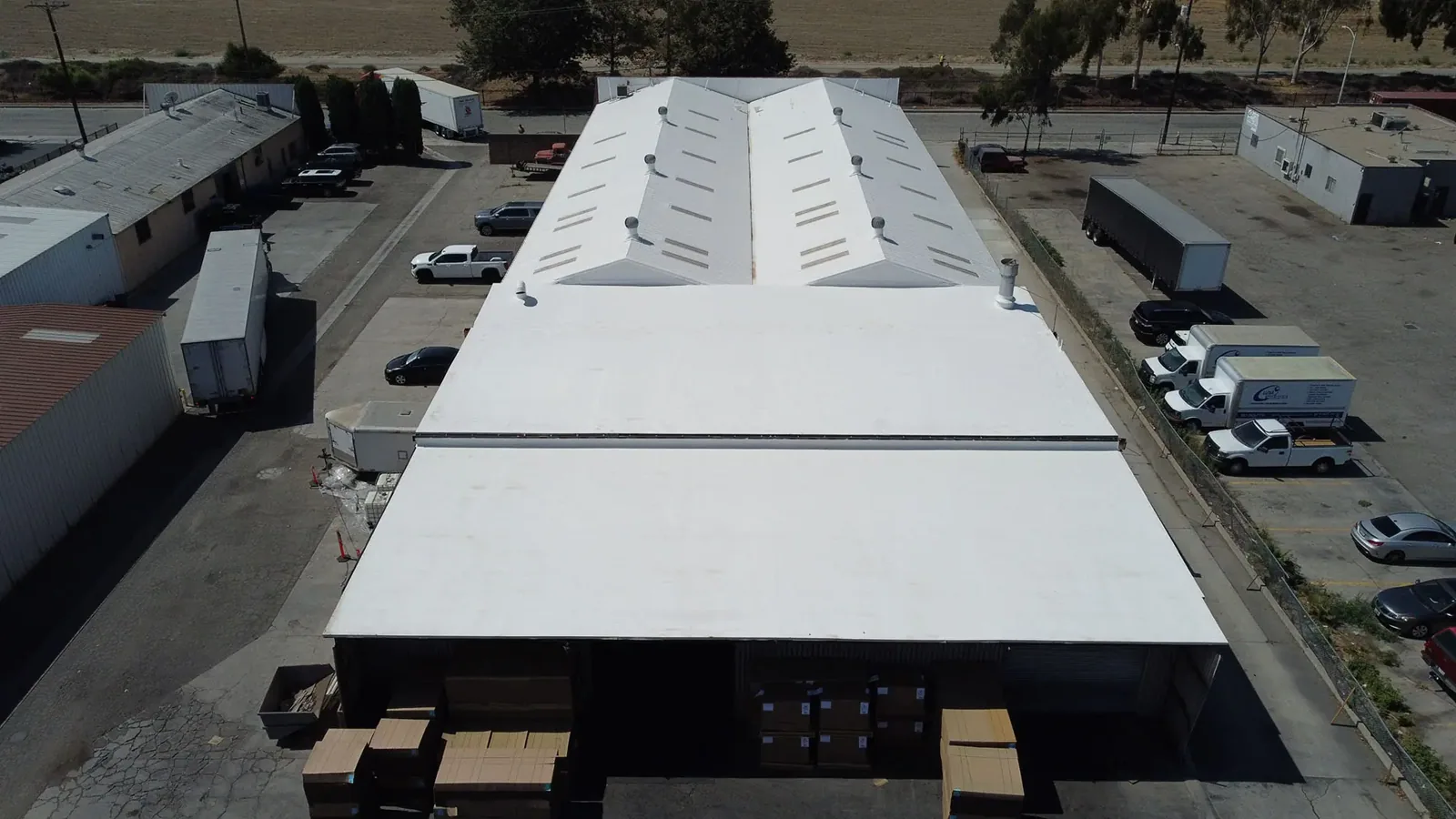
JM's commercial single-ply options include TPO, PVC, and EPDM. Its bituminous portfolio includes SBS and APP membranes and built-up systems. Insulation, cover boards, vapor barriers, adhesives, and specialty accessories can form part of the assembly. Identify the membrane, attachment, insulation, and flashing before choosing a repair or replacement detail. The manufacturer name alone does not describe the roof build-up.
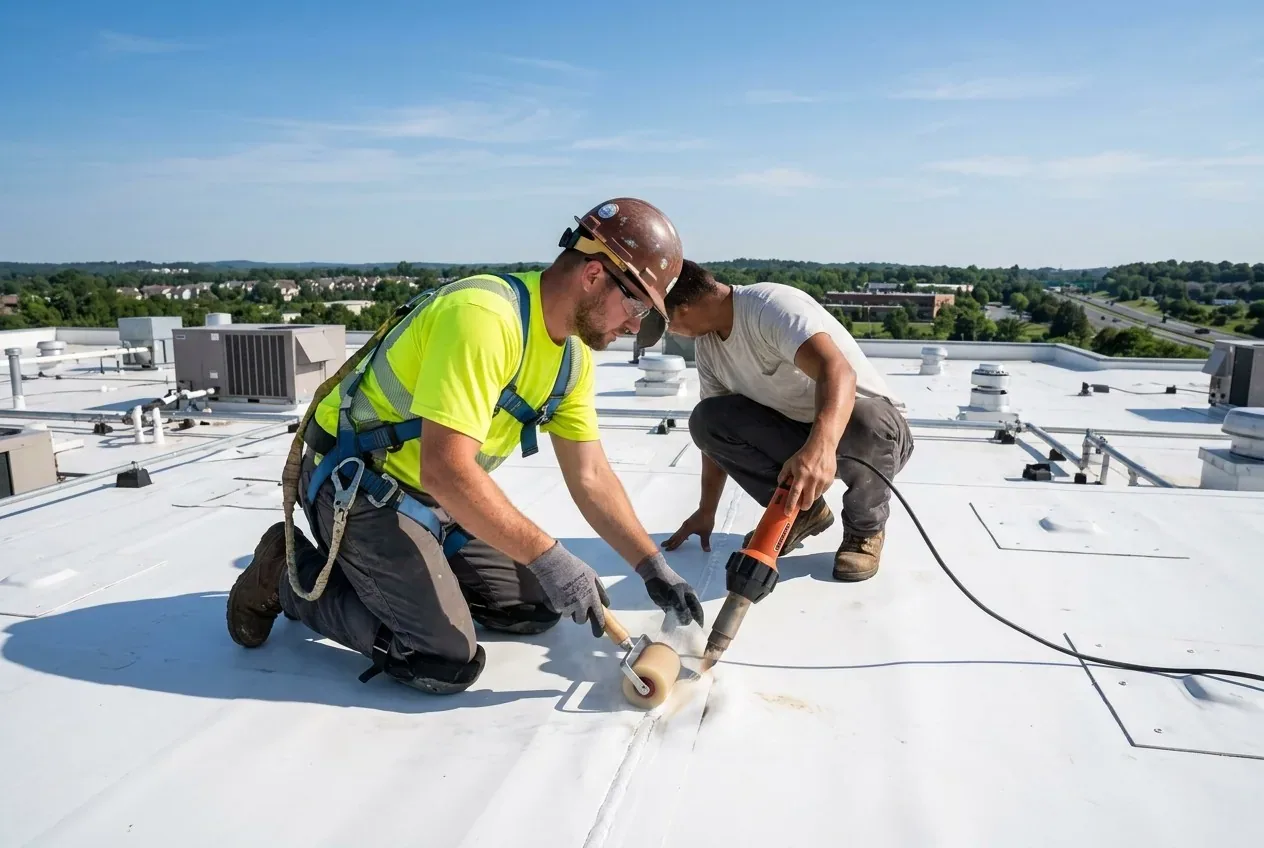
JM TPO is reinforced with polyester fabric and uses a thermoplastic formulation designed for flexibility and welding. JM EPDM is a synthetic rubber membrane available in nonreinforced and reinforced variants, including products with factory-applied seam tape. PVC, TPO, and EPDM differ in seam methods and repair materials. A GAF system or Carlisle SynTec assembly may use related membrane chemistry, but its product details still need to match the exact brand and system.
For a roof with several renovation phases, map the systems by zone. A membrane patch over an older asphaltic section or a transition between single-ply and metal requires a designed interface. Record which layer is visible and which is inferred from project documents. If that distinction affects the scope, use a limited investigation before covering the area.
Inspect the joint that holds the system together
Thermoplastic membrane seams are welded; EPDM seams rely on the specified tape, primer, or adhesive; multi-ply asphaltic membranes build continuity through overlapping plies and compatible bitumen. The inspection method should match the roof. Probe a cooled thermoplastic weld as appropriate, check EPDM lap edges and flashing adhesion, and look for splits or open laps in asphaltic cap sheets.
At penetrations, inspect corners, pipe boots, curb bases, expansion joints, drains, and wall transitions. Confirm that the flashing is attached to the right substrate and that water has a path to the drain. A crack in sealant may be a symptom, not the only failed component. If the product or repair material is unknown, do not force a system-specific patch onto it.
JM's accessory and liquid-applied product groups include components for single-ply details. The approved scope and technical literature determine which item fits a specific assembly. A penetration flashing repair should specify the curb, membrane, and transition rather than call for a generic sealant pass. Photograph the detail before and after the work.
Look below the membrane before budgeting
Roof performance depends on more than the exposed sheet. Check insulation thickness and condition where documented, cover-board placement, vapor-control layers, deck type, drainage, and attachment. A wet area can change the repair boundary or make a recover unsuitable. A temperature scan may help locate areas for investigation, but testing methods and conditions must support the conclusion.
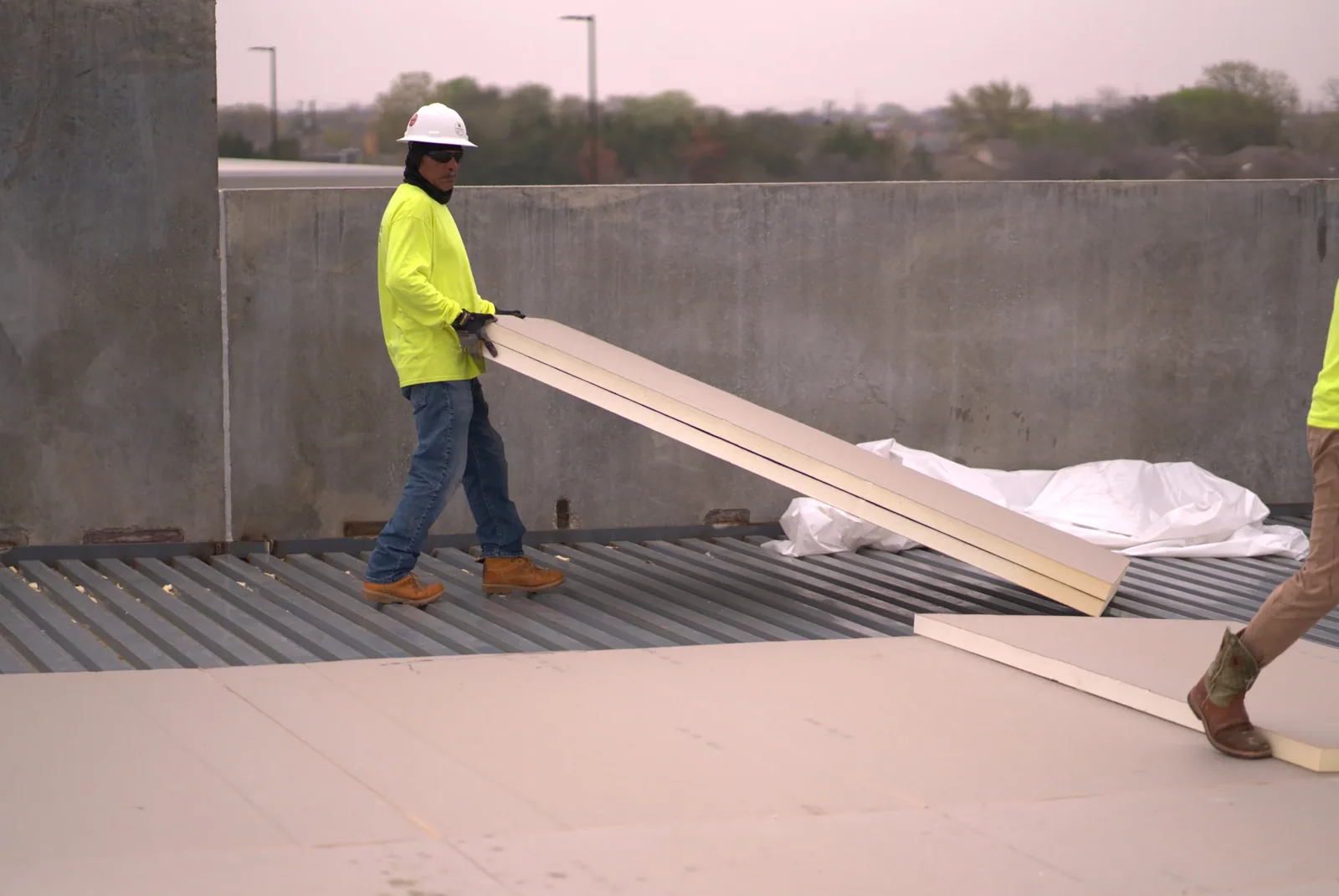
Johns Manville supplies polyiso insulation and cover boards alongside its membrane families. The correct board, fastener, adhesive, and membrane combination depends on the assembly and specification. Do not name a product based only on color or thickness. Record the project documentation and field clues, then confirm compatibility before replacing one layer or adding another.
Westmoor Technology Park includes office and flex buildings in Westminster's U.S. 36 corridor. A Westmoor roof survey should identify roof areas, equipment, drains, and access constraints building by building. A close review of insulation or deck conditions may be necessary if visible defects and interior reports point to concealed moisture.
Account for Westminster exposure
The Denver/Boulder forecast area experiences hail, wind, winter weather, heat, and cold. After severe weather, inspect the JM roof itself for visible marks, membrane cuts, flashing changes, and reported leaks.
Snow and meltwater call for a different check. Inspect drains, scuppers, low areas, and perimeter details once access is safe. Heat exposure can affect exposed materials and work windows, while wind places attention on edges and attachment. Tie each observation to the roof section and keep separate weather concerns from ordinary maintenance findings.
For occupied retail or office buildings along U.S. 36 and 120th Avenue, set access, staging, and temporary protection before work begins. A commercial roof inspection can document current conditions and identify whether moisture testing, a local repair, or a broader system review should follow.
Review a Johns Manville roof assembly
Share the Westminster building, JM product or project records, roof plan, leak history, and access details. We will identify the installed layers and document repair or replacement options.
Set a scope that can be inspected
For repairs, state the defect, JM system if confirmed, compatible materials, preparation, repair boundary, and closeout test or photo. Separate temporary protection from permanent correction. If an assembly requires a notification or review step, verify it from the actual project documents before authorizing the work.
For replacement, define tear-off or recover assumptions, deck review, insulation, cover board, membrane type, attachment, flashing, edge metal, and drainage. Confirm which specification applies and how substitutions will be reviewed. Keep allowances for concealed conditions visible. If wet insulation or damaged deck is discovered, document it and approve the changed work before expanding the scope.
A repair proposal can address a defined defect. A replacement design should coordinate all layers and roof transitions. When the owner needs future priorities across buildings, link the roof observations to a capital plan without treating an inspection rating as a fixed replacement date.
At transitions between JM materials and another brand, record the overlap, substrate, and termination. A tie-in detail should identify which product documents govern each component and who accepts responsibility for the interface. If product identity is uncertain, pause before closing the seam and keep the unresolved item visible in the proposal.
Maintain a clean project file
Keep JM product data, approved details, submittals, installation notes, inspection images, repair approvals, and warranty documents with the building record. Identify the membrane and board in each roof zone. If a later contractor performs a patch, save the materials and work limits so the next inspection does not mistake that repair for original construction.
Westminster's business community includes aerospace, technology, health and life sciences, financial services, hospitality, and business support. Different operations can set different roof-access windows. Record escort, tenant notice, equipment restrictions, and site contact separately from the technical condition. The roof record should make the next service visit easier to plan without adding assumptions about the building.
Share the roof plans, JM product information, reported leaks, prior work, and access contact. We can verify the assembly, inspect the roof zones, and document a compatible repair or larger system path. The owner should be able to see what was observed, what remains uncertain, and which project record supports the selected material. Date the closeout and list any condition that needs another visit, testing, or owner approval. Keep the final report with the maintenance file.
Commercial Roofing Questions
Does Johns Manville only make single-ply roofing?
No. Its commercial range includes TPO, PVC, EPDM, SBS, APP, built-up systems, insulation, cover boards, and accessories.
How can we tell which JM membrane is installed?
Review closeout records, product markings, seams, and accessory details. If the system remains uncertain, document that before specifying a repair.
Are JM TPO and EPDM seams repaired the same way?
No. TPO seams are heat-welded; EPDM uses its specified seam tape, primer, or adhesive method.
Can insulation be left in place during a recover?
Only after its condition, attachment, moisture, deck, and project requirements are reviewed. Concealed conditions may need testing.
Does a Westminster hail report establish damage to a JM roof?
No. Inspect the property and document its membrane, details, and any impact marks before defining repair work.
Related Roofing Work
GAF Commercial Roofing Systems
Read more
Carlisle SynTec Commercial Roofing
Read more
Commercial Skylight and Penetration Flashing
Read more
Westmoor Technology Park
Read more
More Roofing Manufacturers in Westminster
See the rest of our roofing manufacturers for Westminster commercial buildings, or call 555-555-5555 to talk through your roof.
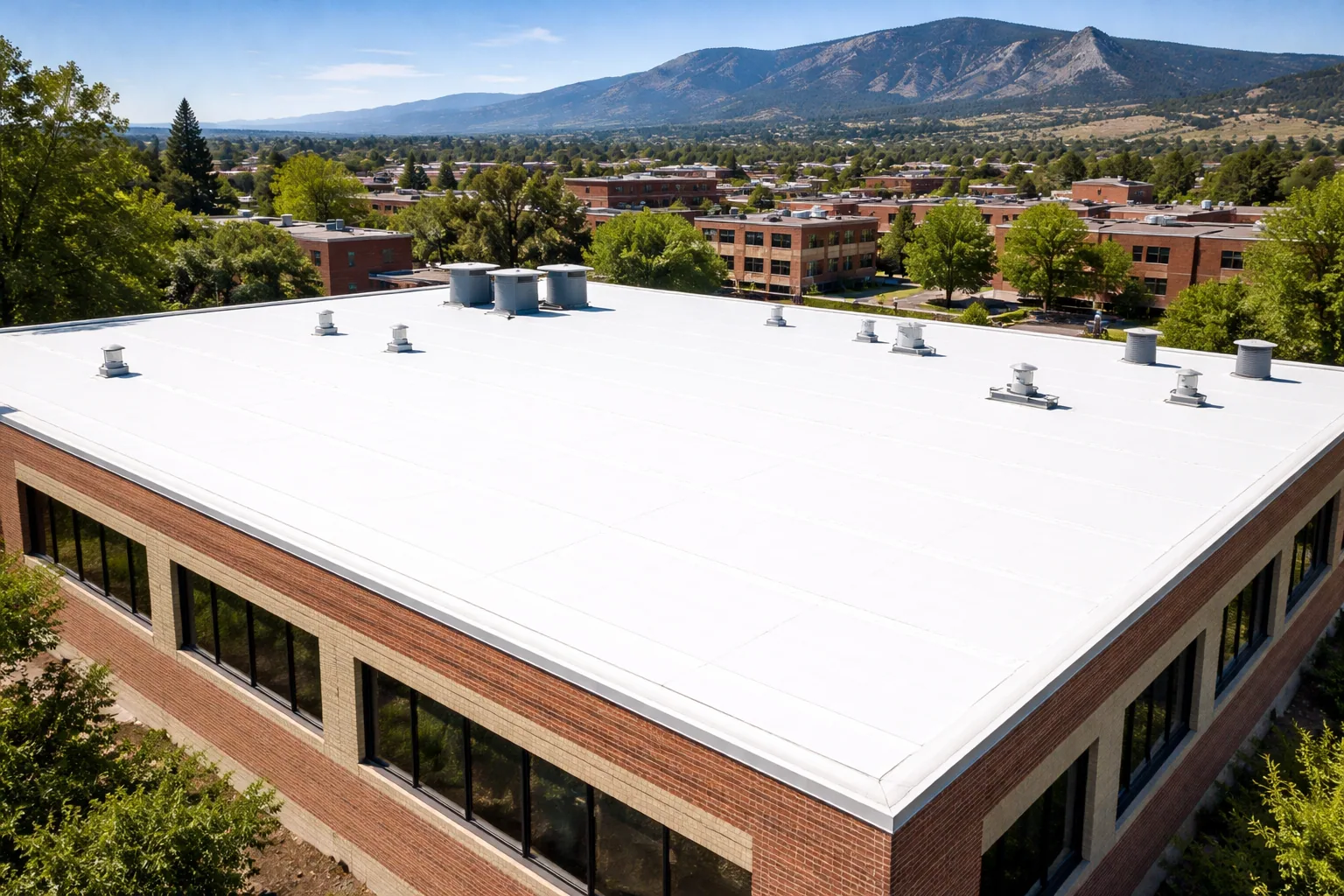
Johns Manville Commercial Roofing
Talk to Commercial Roofing Westminster
Call 555-555-5555 or send a request and we will schedule a visit to look at the roof, explain what we find and lay out your options.