Commercial Rooftop Equipment Curbs and Supports in Westminster, CO
Inspect Westminster rooftop curbs, pipe supports, and flashing for movement or leaks. Coordinate roof and mechanical scope with a clear repair boundary.
Commercial Rooftop Equipment Curbs and Supports
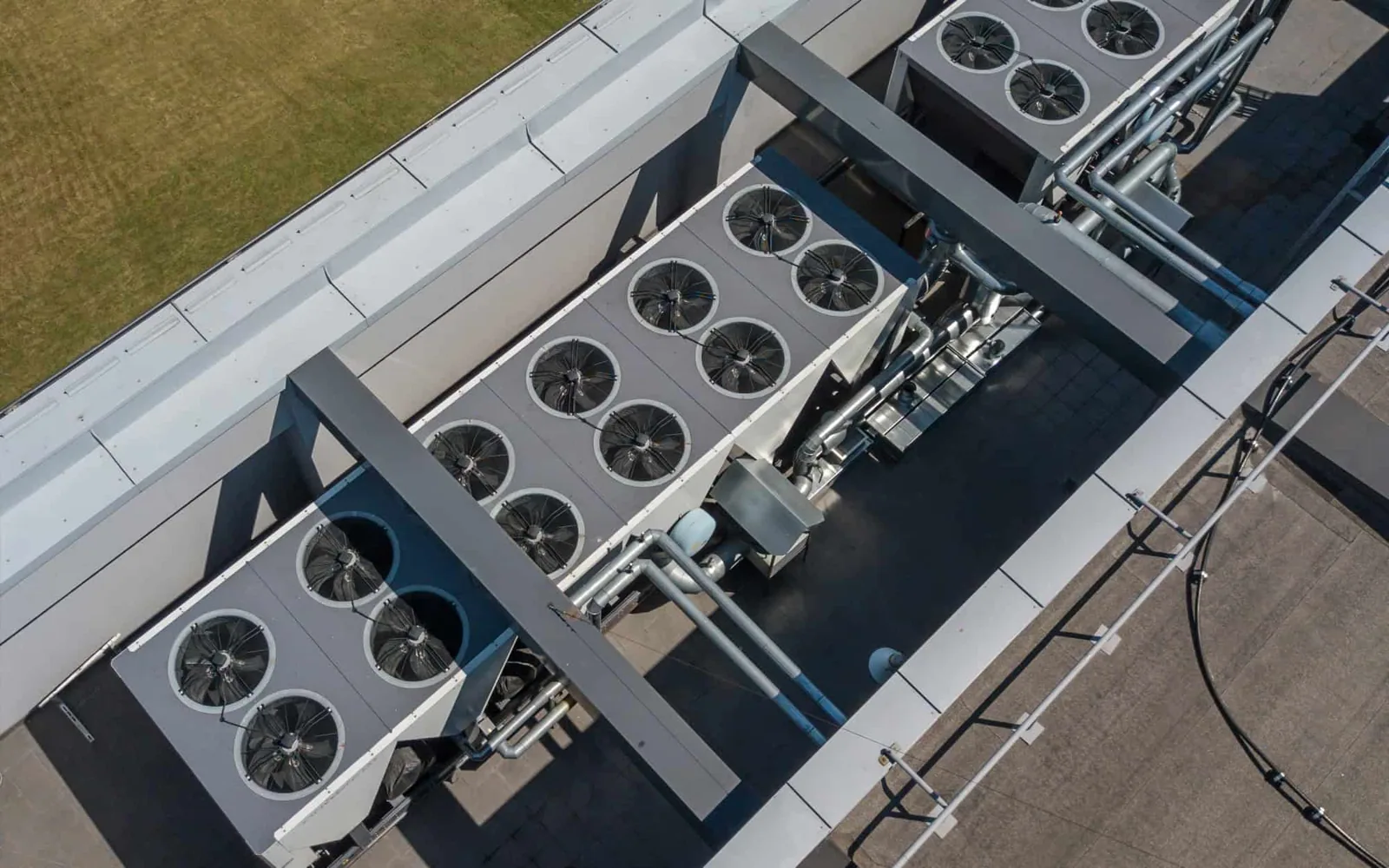
After a unit service call, check the roof connection before assuming the equipment caused a leak. A loose curb, split boot, shifted support, or open counterflashing can admit water while the unit still runs. Westminster hail and wind exposure make rooftop details worth checking after rough weather, but the roof walk has to show what changed. We record the curb, supports, membrane, nearby seams, and any interior report before assigning work.
Inspect the curb on every side
We check curb height, corners, cap flashing, membrane upturns, fasteners, and the uphill side where runoff reaches the unit. If the curb is metal, we look for loose seams and movement at the joint. If it is wood or another substrate, we note visible deterioration and any soft or open area. The unit's vibration and service access can stress the curb, but the inspection documents the actual connection.
Water stains inside may appear far from the equipment. We compare the interior location with roof slopes, seams, deck direction, and nearby penetrations before naming a source. A leak inspection can separate the curb from another opening. When more than one detail is suspect, each gets its own photo and repair boundary.
At a multi-tenant property in Westmoor Technology Park, several units may occupy one roof zone. We label each by location and record the equipment type only as needed to coordinate access. That prevents a recommendation for one curb from silently becoming a blanket allowance for every unit.
Check the support beneath every line
Pipe and conduit supports should carry their load without cutting into the membrane or creating a dam in the drainage path. We inspect support bases, pads, clamps, spacing visible from the roof, and signs of movement. A line resting directly on the membrane can wear through its surface as temperature and equipment cycles move it. The roofing scope identifies protection or flashing work; the mechanical owner confirms the supported line remains properly secured.
Condensate drains and refrigerant lines need their own route review. Water discharge can leave a streak, soften insulation, or add moisture beside a curb. We note where fluid exits and ask whether that line is active. A drainage assessment can follow a roof-water path when discharge joins a roof drain or scupper.
For office, technology, or health-related properties in Westminster, equipment access can continue while roof repairs are staged. We coordinate around planned service visits and identify any unit that must remain available. A clear work limit lets the facility manager schedule the roofer and mechanical contractor without assuming one trade will perform the other's tasks.
Separate equipment motion from storm damage
A rooftop unit can vibrate, cycle, and move as its supports respond to load. Wind can also stress exposed flashing, while hail may mark metal or nearby membrane. We look for shifted fasteners, elongated openings, broken sealant bonds, and a change in membrane position. Westminster had a reported hail event in May 2024, but a regional weather record does not confirm damage at a particular curb.
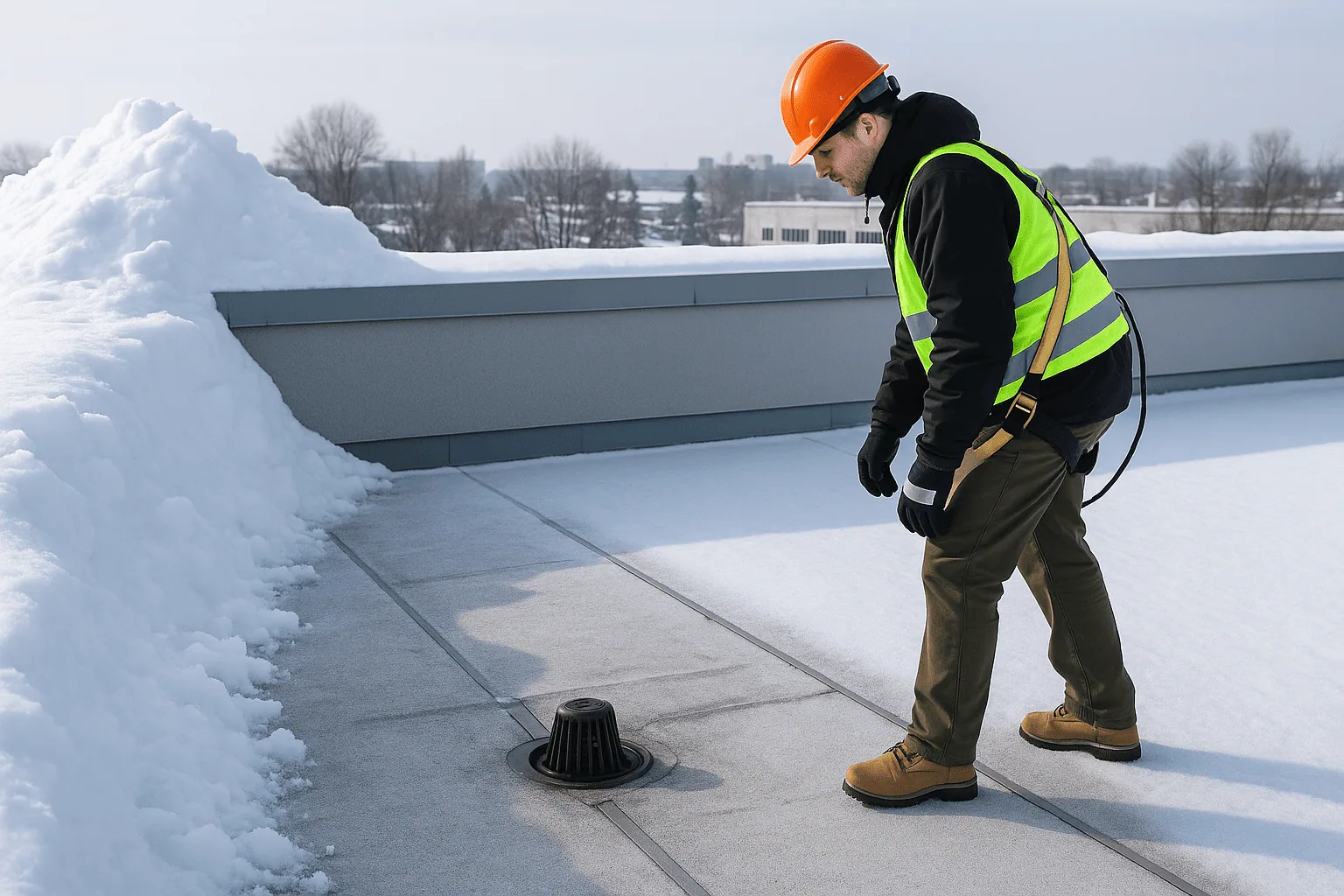
Snowmelt can collect at an uphill curb if tapered slope or a drain path is restricted. During snowmelt, inspect the building's roof elevations, curb transitions, and outlet paths directly. We photograph any low area and compare it with the curb and outlet. If water remains, the owner can decide whether drainage correction or a localized flashing repair should be scoped first.
After a weather event, a storm review can include equipment screens, curb corners, pipe boots, and the membrane around them. Impact marks are recorded separately from openings. A leak test or selective removal is recommended only when the observed assembly leaves a question that affects the repair.
Coordinate roofing and mechanical work
Some repairs require a roofer to rebuild curb flashing; others require a mechanical contractor to disconnect, lift, or reset equipment. We identify that handoff before work begins. If a unit must be raised, the scope states who handles the line set, wiring, and reconnection. Roofers do not disturb live equipment or assume a curb can be altered while the unit remains attached.
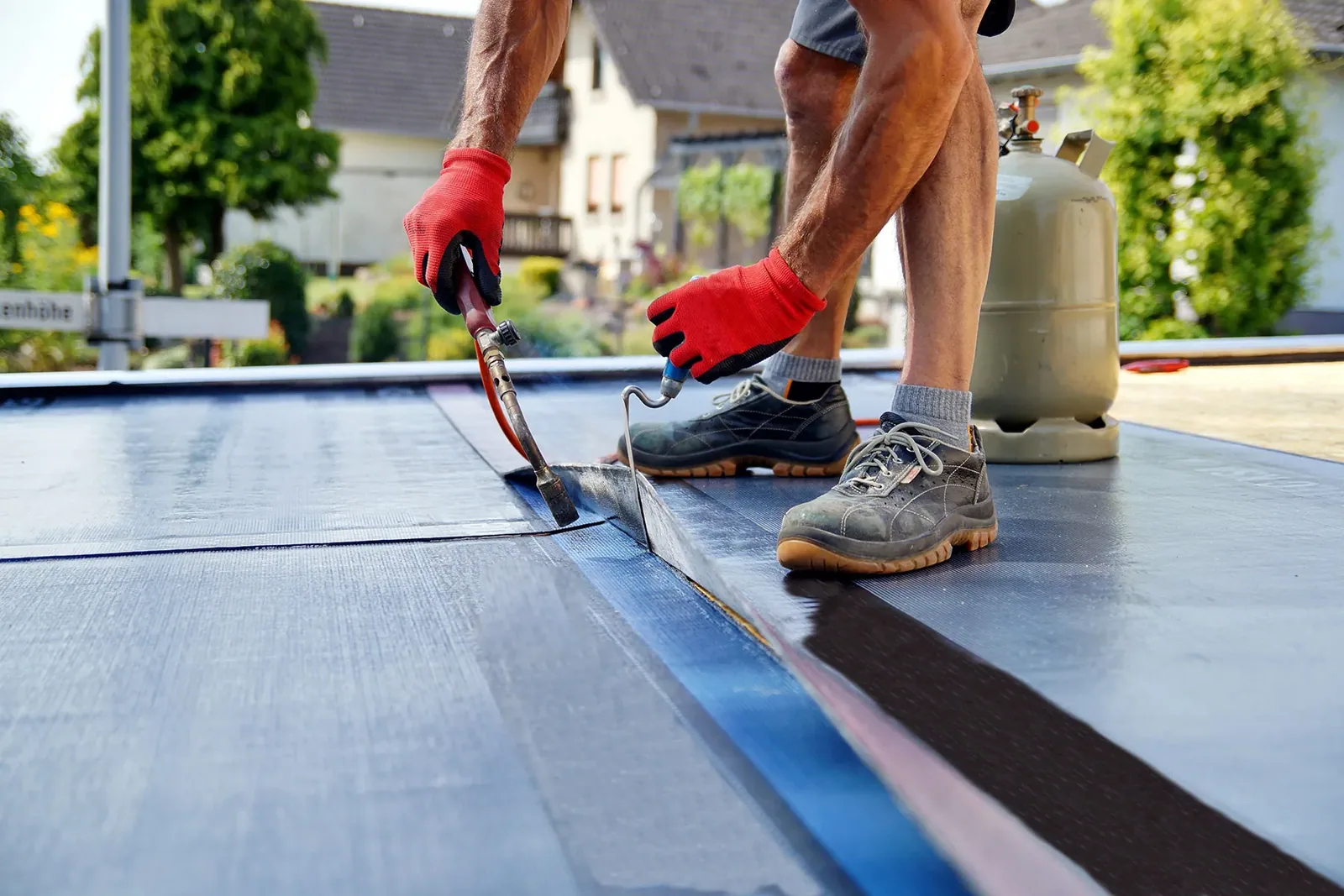
The proposed repair may include a new curb counterflashing, membrane patch, boot replacement, support pad, walkway, or temporary dry-in. Materials must match the roof system. A thermoplastic seam, EPDM lap, and modified-bitumen flashing each need compatible preparation. A TPO repair detail cannot be substituted for a different membrane assembly.
When equipment replacement is planned, the timing can avoid repairing a detail that will immediately be removed. The manager shares the mechanical schedule, roof plan, and equipment list. We compare curb dimensions and roof layers with the proposed installation and note any edge, drain, or flashing work that must occur in the same mobilization.
Identify the unit and roof zone
Tell us which equipment or support is involved, what changed, and whether a mechanical visit is scheduled. Share the Westminster roof plan, leak report, access contact, and any operating limits. We will inspect the roof connection and map the roofing and mechanical boundaries.
Protect the roof service route
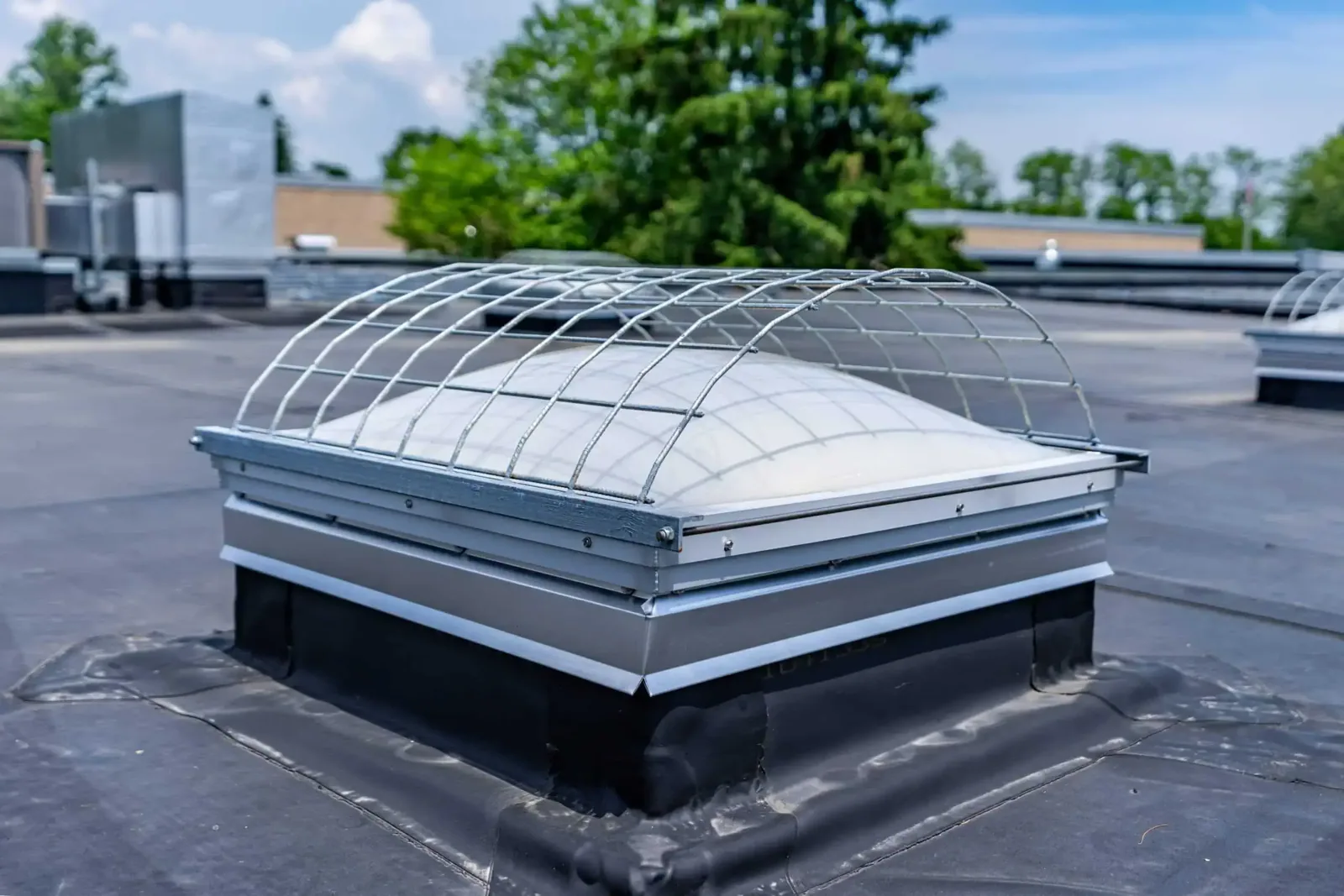
Technicians crossing a roof can damage membrane, insulation, or flashing if their route is not clear. We identify access points, fragile skylights, drains, and roof zones that should remain clear. A walkway or protective pad may be appropriate where service traffic recurs. The location and extent are included in the recommendation; a pad is not installed over a defective membrane without correcting the underlying condition.
Work near a unit requires coordination with tenants, security, and the facility contact. We agree on roof access, shutdown requirements if any, delivery path, and the area below the lift or work zone. If the building operates continuously, repairs can be staged by roof area while the manager keeps critical equipment available.
Weather and safe roof conditions govern exposed work. If wind, ice, or precipitation prevents a sound repair, we document the temporary measure and schedule the permanent correction. Any opening is protected before the crew leaves, with a clear note about remaining work and access needed for the return visit.
Keep a useful equipment record
The closeout identifies each curb or support, nearby membrane, condition found, repair completed, and equipment coordination still pending. Photos show the before and after detail. We list any leak-test result, temporary protection, or follow-up observation without implying that one visit predicts future performance. A roof condition report can keep this record with service history.
For a campus or portfolio near the 120th Avenue corridor, label buildings and roof zones consistently. A unit at one property is not interchangeable with another, even when the equipment type matches. We preserve curb, support, and access details so future maintenance can distinguish recurring wear from a new event.
Send the Westminster address, roof plan, equipment list, leak location, and mechanical contact when requesting a visit. Include any scheduled unit replacement or service shutdown. We will inspect the roof connection, define who handles each task, and document the roofing work that can proceed safely.
Commercial Roofing Questions
Can a leaking rooftop unit be fixed without replacing the unit?
Often the roof connection can be repaired while the unit remains, but a curb lift or equipment disconnection may require mechanical support. We inspect the detail and define that handoff.
Who handles disconnecting a unit for curb repairs?
The scope identifies the mechanical work needed and coordinates it with the owner’s contractor. We do not disconnect live equipment or assume electrical and refrigerant work is part of roofing.
Can equipment vibration damage roof flashing?
Repeated movement can stress a curb joint, pipe boot, or support pad. We look for a visible change in attachment and membrane, then separate that finding from unrelated weather marks.
Should rooftop pipes sit directly on the membrane?
A line needs support that protects the roof surface and maintains a stable route. We inspect its base and contact points, then identify whether a new support or membrane repair is needed.
What should I provide before an equipment-curb visit?
Send the equipment layout, roof plan, interior leak location, access rules, and planned mechanical work. Include the unit identifier so the report tracks the right curb and support.
Related Roofing Work
Commercial Roof Leak Repair
Read more
Westmoor Technology Park
Read more
Commercial Roof Drains and Scuppers
Read more
Storm Damage Roof Repair
Read more
More Commercial Roofing Services in Westminster
See the rest of our commercial roofing services for Westminster commercial buildings, or call 555-555-5555 to talk through your roof.
Commercial Rooftop Equipment Curbs and Supports
Talk to Commercial Roofing Westminster
Call 555-555-5555 or send a request and we will schedule a visit to look at the roof, explain what we find and lay out your options.