
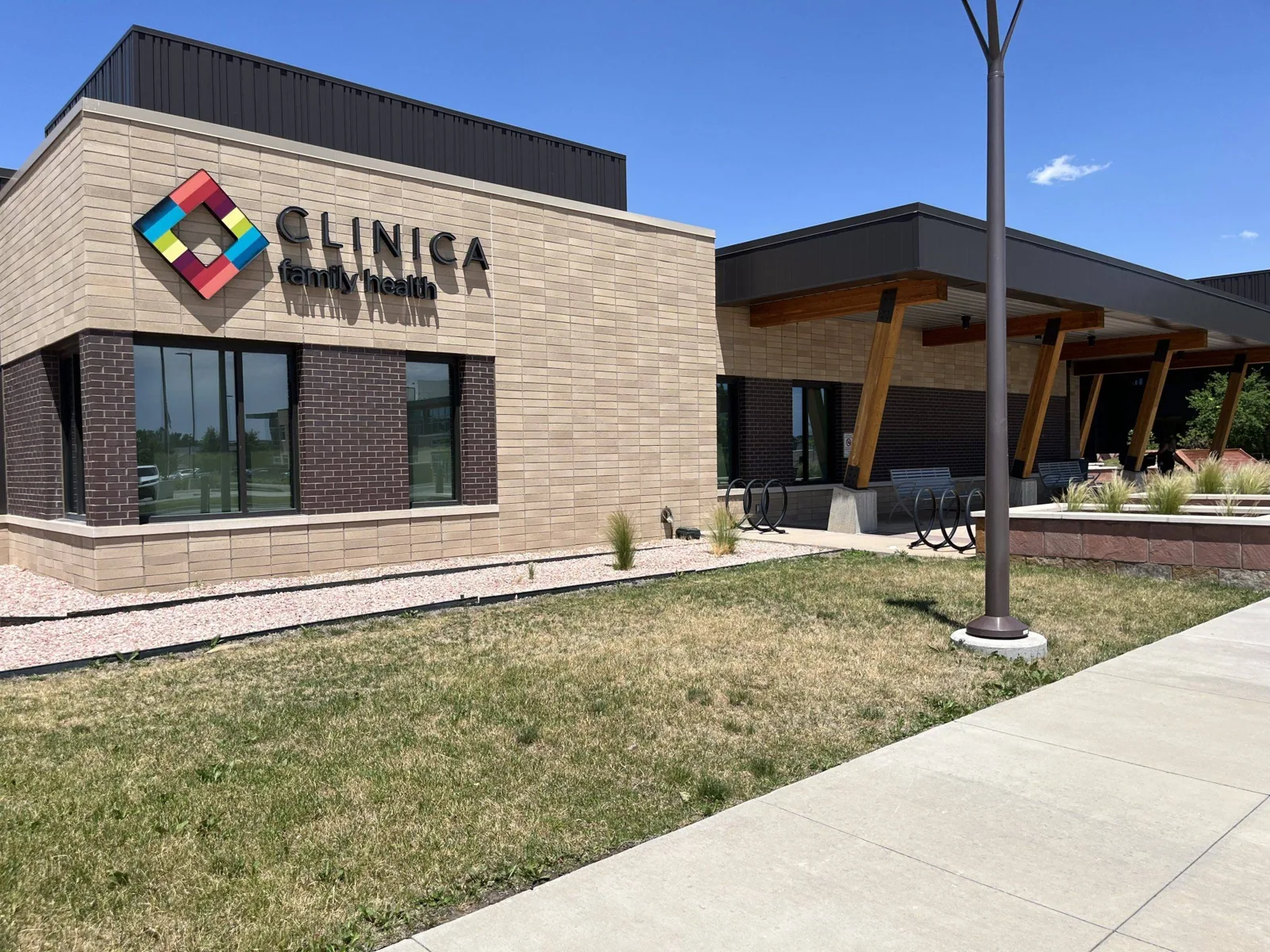
Commercial Roofing in South Lafayette's Healthcare District, Lafayette, CO
Plan healthcare roof inspections in south Lafayette around patient access, equipment operations, drainage, and building-specific maintenance records.
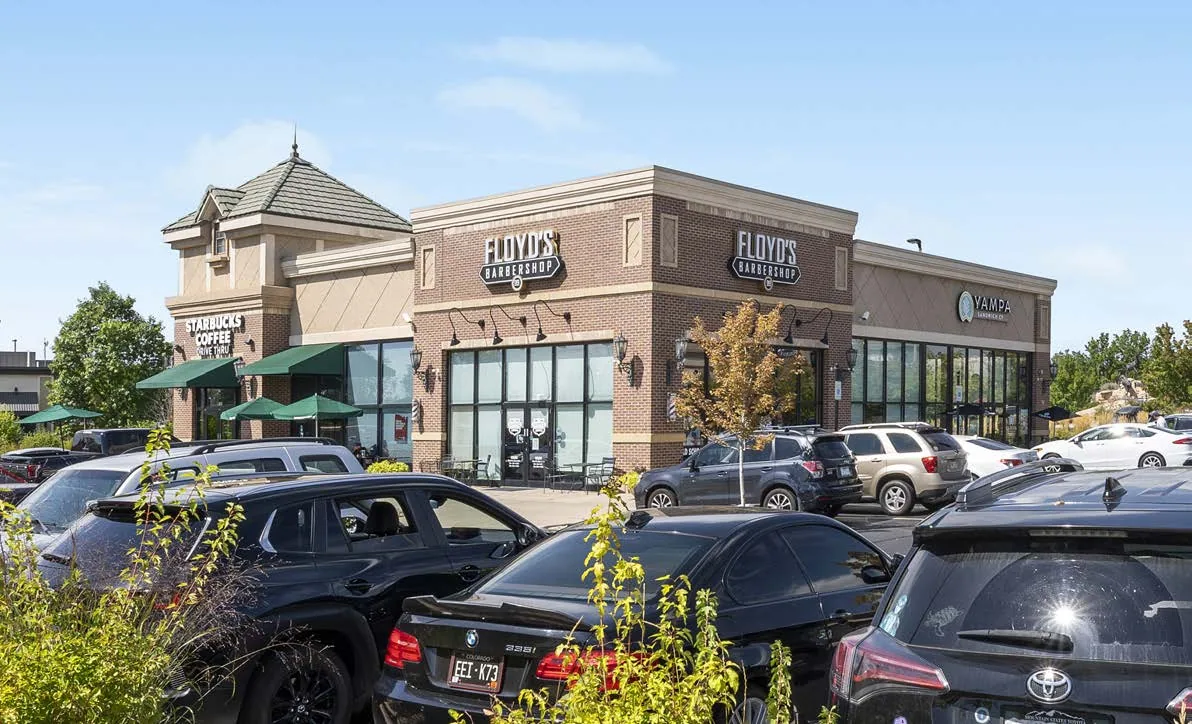
South Lafayette's Healthcare District, Lafayette
Roof work near a healthcare operation needs clear access and interior-protection steps before a crew arrives. South Lafayette is a distinct business district with a high concentration of healthcare firms and employment. Intermountain Health Good Samaritan Medical Center is a community resource in Lafayette. Those names provide local context; the roof, operating contacts, and access rules must still be confirmed for each property.
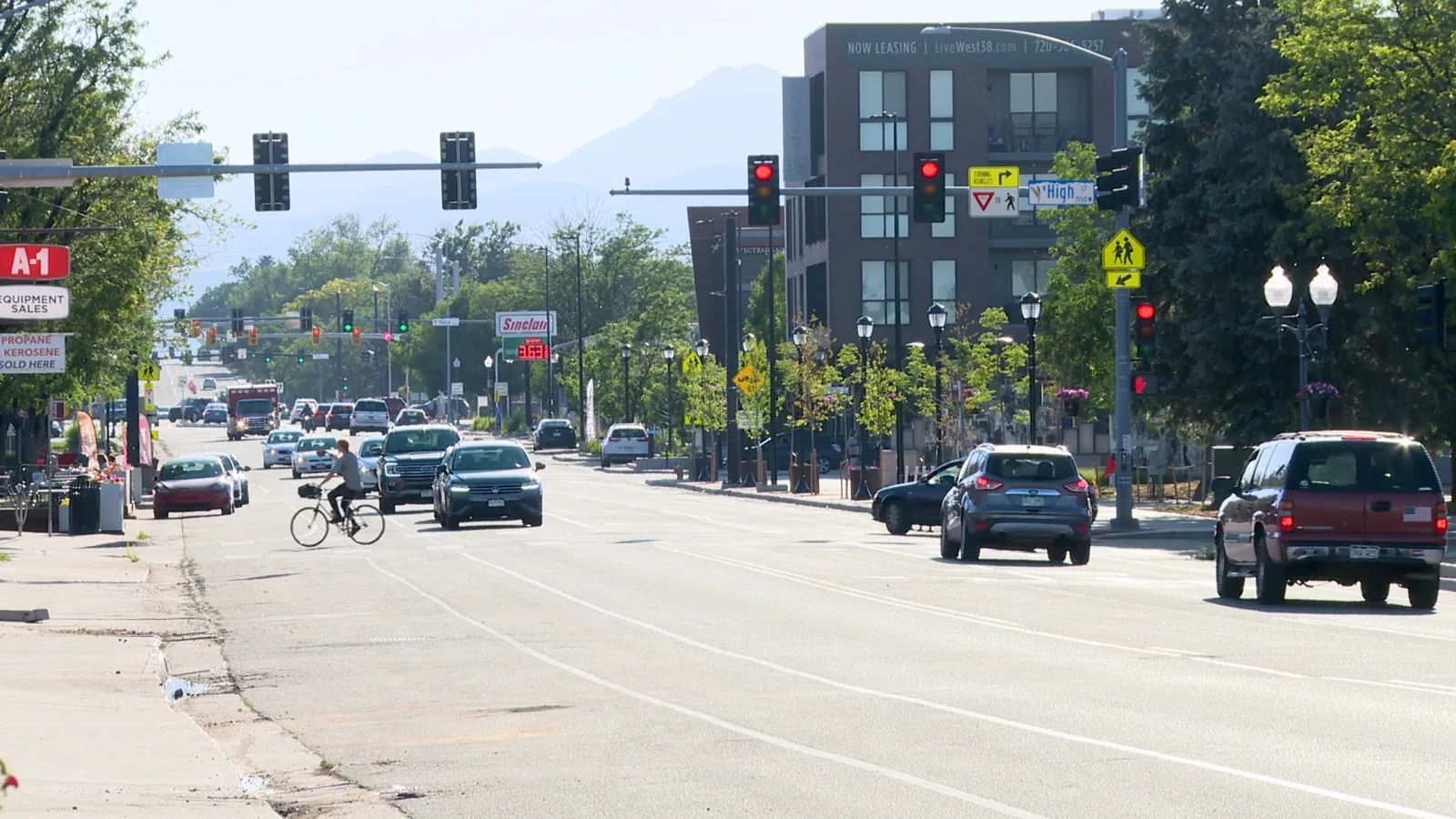
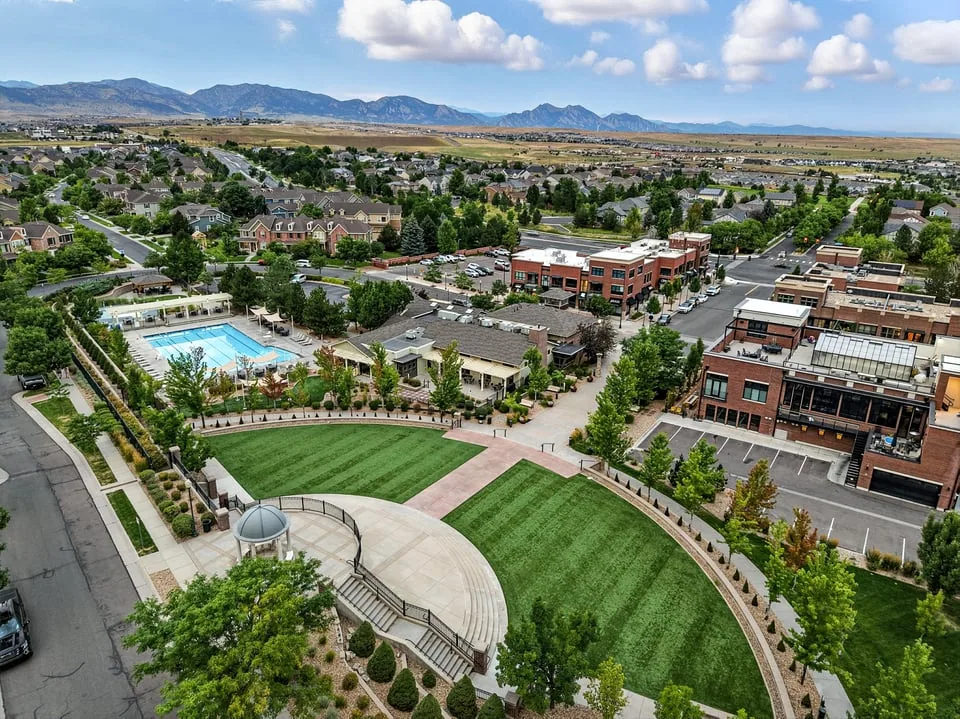
Keep healthcare work property-specific
Keep each south Lafayette property, roof plan, and facilities contact in its own service record. Identify the building, affected department, roof zone, and contact who can authorize access. Confirm patient or staff routes, loading areas, equipment constraints, and any timing when work cannot proceed. A Old Town Lafayette service visit has a different street setting and should have a separate property record. So should a Wheat Ridge corridor roof visit.
Good Samaritan provides an institutional reference within Lafayette, but the district page remains about broader commercial roofing service in south Lafayette. Do not transfer a roof type, condition, or access assumption from one facility to another. Use each property's plans and contact procedures. A healthcare roof program can track multiple buildings while keeping each system and repair boundary separate.
Map drains, overflow paths, penetrations, equipment curbs, parapets, and wall transitions on the building being inspected. Photograph broad context and close details. Mark where access stopped or a test was not performed. A condition report should distinguish confirmed findings from items that require a later visit.
Trace water without disrupting care
Ask which room or department reported water, when it appeared, and whether the timing followed precipitation or equipment service. A stain may be separated from the roof entry by framing or insulation. Protect the interior and compare its location with the roof plan. Keep the suspected route separate from visible damage until inspection confirms the connection.
Inspect field seams, flashing, curb bases, wall transitions, penetrations, drain bowls, and overflows. Look for open laps, loose terminations, punctures, blocked drainage, or prior patches. Record whether HVAC equipment stayed in operation and which roof sections were accessible. A commercial inspection can document test limits and coordinate a follow-up when a clinical schedule restricts access.
Roof-system identity controls material choice. TPO, PVC, EPDM, KEE, modified bitumen, built-up, and metal assemblies each need compatible preparation. For a confirmed PVC roof, a PVC detail review can document flashing and seam conditions before repair. Never infer a system from the healthcare use below.
Use regional weather as context
The Denver-Boulder forecast area can see hail, wind, thunderstorms, winter conditions, heat, and cold. A weather report may trigger a review, but it does not prove impact at a south Lafayette facility. Photograph actual roof conditions by building and zone. The district's healthcare concentration calls for clear access coordination. Map the affected department, roof zone, and any test area, then list deferred work apart from completed repairs. After thaw, inspect the actual drains, overflow paths, low areas, and interior report. Use project design documents for structural questions. If water is present, record its location and whether the drainage route is open.
For active water, a leak response can protect rooms and equipment while the permanent work is planned. If a storm raises concern, a hail inspection can document evidence by section. Keep temporary protection and permanent scope separate in the handoff.
Plan repairs around critical operations
A local seam failure or flashing opening may be repairable when surrounding material is sound. Repeated leaks, broad wet insulation, deteriorated membrane, or failing attachment may call for a wider project. Review the assembly, drains, insulation, deck, penetrations, and prior patches before comparing a repair with restoration or replacement. Use testing when it can change the recommendation.
For a repair, define the work boundary, preparation, compatible materials, photos, and any retest. For a reroof, describe removal assumptions, insulation, cover board, membrane, edge details, equipment coordination, debris, staging, and daily dry-in. Schedule around patient care, delivery, mechanical service, and approved access windows. Cost changes with roof height, lift access, detail count, concealed conditions, and how many areas must remain protected at once.
Confirm Lafayette's permit path for the actual scope before specifying insulation, attachment, and roof assembly details. A replacement proposal should identify the applicable jurisdiction and operation constraints. For a serviceable roof, planned maintenance can document drains and flashing before an urgent call.
Coordinate a healthcare roof assessment
Share the facility, affected department, leak or storm timing, access contact, and any patient-care or equipment restrictions.
Coordinate crews with site contacts
Confirm the authorized roof contact, escort rules, equipment restrictions, work hours, loading route, and any patient or staff passage that must remain clear. Set barriers around lifts or debris. Protect doors and intake areas from dust or falling material. Keep a temporary interior-protection plan ready if a roof opening or active leak could affect rooms below, and identify who can approve it. If the work affects a mechanical system, agree on shutdown and restart with the operator responsible for it.
Adhesives, coatings, and open roof work require suitable conditions and a safe closeout sequence. Check system requirements before work begins. If weather interrupts the task, secure the roof with a compatible temporary measure and document the return date. Leave the department contact with a clear account of what remains open and who will close it.
At completion, confirm drains are clear, penetrations are sealed, staging is removed, and affected routes are restored. Compare final photos with the original condition map. List any area that could not be inspected or any test that remains pending. Keep the closeout tied to the building, not the healthcare district as a whole.
Maintain clear records for care sites
Store roof plans, system records, inspection photos, work orders, warranties, and access notes by property. Identify each roof section and date. Note what was observed, tested, repaired, or left uncertain. Include any operating window that affected the inspection. These details help the next service team protect care operations while returning to the correct area.
At follow-up, compare new reports with the repair boundary. Check whether water returned, whether equipment remained in service, and whether temporary measures were removed. Update contacts as departments or operators change. Keep pending tests visible until a result is recorded in the building file.
For a south Lafayette healthcare roof request, share the property or department, affected room, leak or weather timing, prior repairs, access contact, and operating constraints. We can inspect the actual assembly, document findings, and outline a repair or capital path that fits the facility schedule.
For a clinic or care property, coordinate overhead work with patient access, deliveries, and mechanical-air intake locations. Confirm where a temporary opening can be covered at each shift change. The service record should identify the affected building, interior contact, and any area that remains under observation after the roof work ends.
Commercial Roofing Questions
Is Good Samaritan the only property in this healthcare district?
Good Samaritan is one local institutional reference within the broader South Lafayette Healthcare District. Confirm the specific property for each roof request.
How do you protect clinical operations during roof work?
We coordinate access, escorts, patient routes, equipment, delivery timing, interior protection, and closeout with the authorized site contacts.
Can a nearby hail report establish roof damage?
No. We document what is visible on the inspected building and distinguish storm evidence from wear or conditions that need testing.
What helps locate a healthcare leak?
Name the room or department, onset, prior repairs, equipment activity, and roof access contact. We compare those facts with the roof map.
What should a roof inspection record after snowmelt?
The inspection record should map retained water, outlet flow, and the property-specific drainage route. Use Lafayette project documents and on-site drainage observations for building-specific decisions.
Related Roofing Work
Old Town Lafayette, Lafayette
Read more
38th Avenue Corridor, Wheat Ridge
Read more
Healthcare Systems
Read more
Commercial Roof Inspection
Read more
More Service Areas in Westminster
See the rest of our service areas for Westminster commercial buildings, or call 555-555-5555 to talk through your roof.
South Lafayette's Healthcare District, Lafayette
Talk to Commercial Roofing Westminster
Call 555-555-5555 or send a request and we will schedule a visit to look at the roof, explain what we find and lay out your options.