
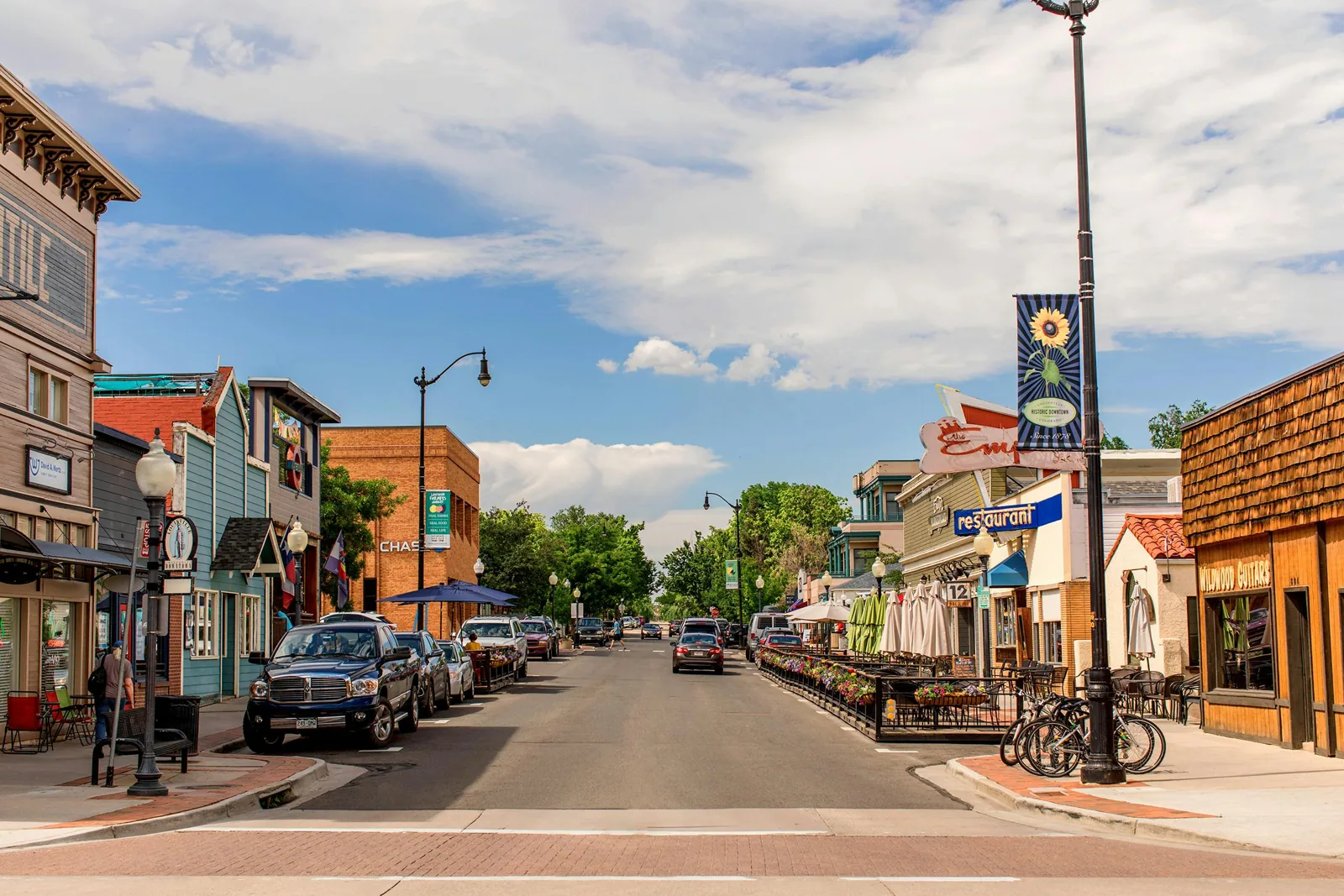
Commercial Roofing in Louisville, CO
Plan commercial roof inspections and repairs in Louisville around access, weather, drainage, and conditions confirmed on the building.
Louisville
A roof symptom in Louisville can cross several businesses before it becomes visible indoors. The city sits between Denver and Boulder along U.S. 36, with commercial districts that include technology, manufacturing, professional services, retail and hospitality. Each use brings different access and operating needs. Begin with the affected building and roof section, then connect the visible symptom to details that can be inspected.
Separate a center figure from roof quantity
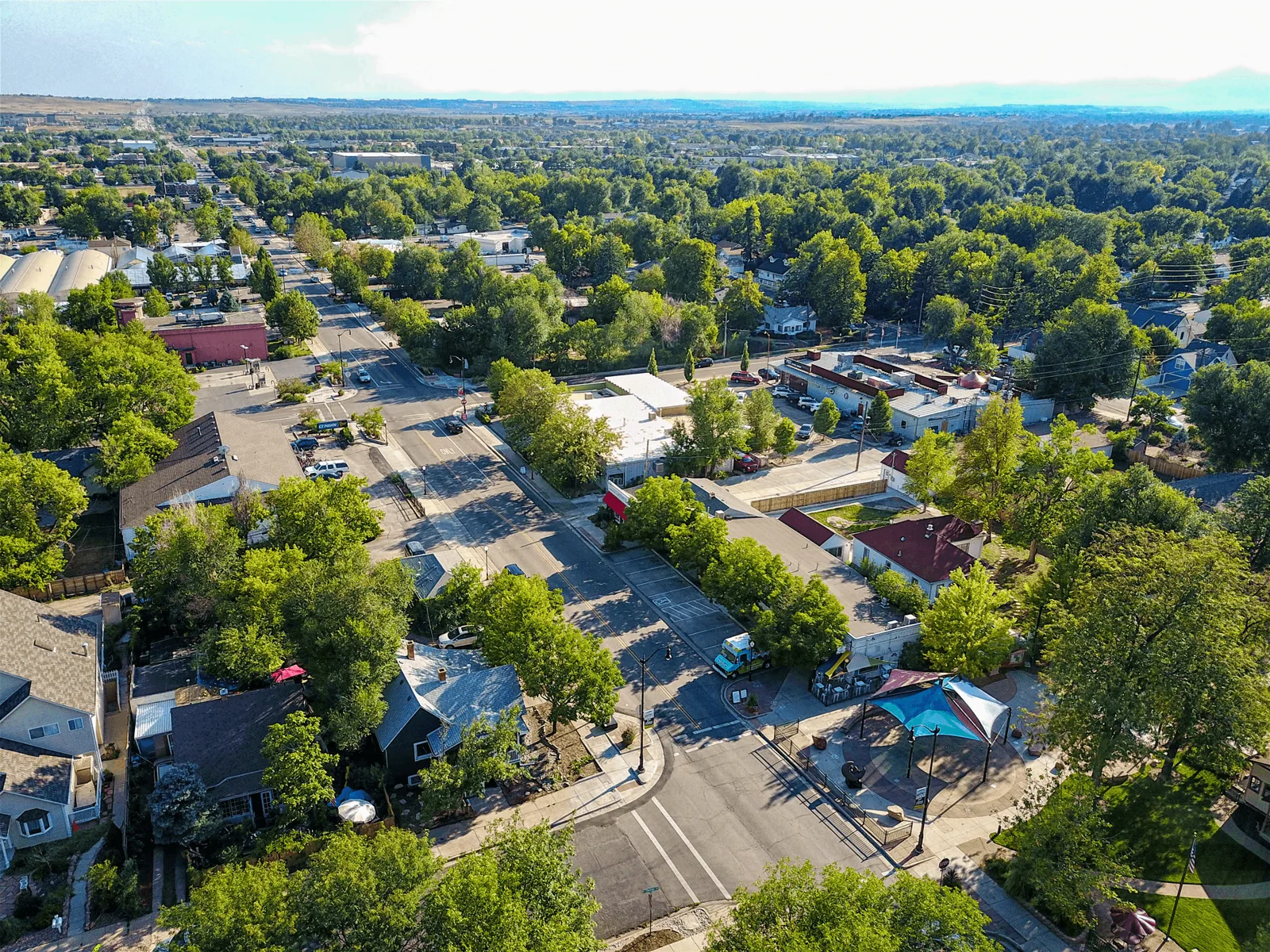
Louisville’s commercial geography includes established districts as well as properties near U.S. 36 and South Boulder Road. The district name helps orient a visit, while current site plans determine building boundaries, access, drainage, and responsibility. Confirm the affected roof section and nearby structures before drawing a repair line. Where operations continue during service, coordinate the work window and equipment needs with the authorized property contact, then preserve those details in the visit record.
Louisville identifies several business districts, including Downtown East, Colorado Technology Center, Centennial Valley, South Boulder Road, and McCaslin Corridor. The city’s employers span technology, manufacturing, professional services, retail, and hospitality. These broad districts guide scheduling; they do not combine roof ownership or maintenance histories. A Lafayette roof review and a Broomfield inspection remain separate municipal assignments. Confirm the property, access contact, roof system, and work window at each location.
Collect prior plans, warranty documents, maintenance logs, and repair photographs before the walk. Compare those records with the visible membrane, seams, edge metal, curbs, and drains. Mark any conflict or undocumented layer. A warranty and roof record review can help identify what information is available before repair scope is selected.
Check the whole drainage route
Follow water from each low section to a drain, scupper, or overflow. A clean drain bowl does not prove the approach is open. Look for debris, a blocked path, ponding, displaced flashing, or a transition that holds water. Photograph the feature and note conditions at the time of inspection. If no water is present, identify whether the reported symptom follows rain or snowmelt.
Inspect seams, roof edges, wall flashings, curb bases, pipe boots, penetrations, and existing patches. Check for open laps, punctures, loose terminations, split sealant, and signs that a prior repair has moved. Match roof findings with the interior report, but keep an unconfirmed path labeled as suspected. An inspection record should show which roof areas were accessible and what test may still be needed.
Before choosing a patch, confirm the system. TPO, PVC, EPDM, KEE, modified bitumen, built-up, and metal assemblies use different details. If records identify TPO, a TPO roof-system review can evaluate seam and flashing conditions with compatible repair methods. A center construction year is not enough to identify the roof.
Check conditions after thaw or hail
Denver-Boulder weather can bring hail, wind, thunderstorms, heat, cold, and winter precipitation. For a Louisville building, compare dated maintenance photos and service calls with the May 2024 storm period before describing any condition as event-related. Record what is present on the actual roof, including marks at the field, edge, and details.
After thaw, compare the plaza's drain, overflow, and low-point conditions with the interior report. Record whether water clears, where a route is restricted, and which action remains open. Keep deferred work separate from completed repairs.
For a current leak, a leak visit can address immediate protection while the permanent boundary is developed. If the concern is hail, a storm-condition review can document visible effects separately from age-related wear. A temporary dry-in should have a return plan and a named owner.
Choose a scope the records can support
A local flashing opening or short seam split may support a focused repair if the material around it remains stable. Repeated leaks, broader moisture, failed attachment, or deterioration across the field can lead to a wider project. Review the assembly, insulation, substrate, drainage, and number of prior layers before comparing patching with restoration or replacement. Testing is useful when the result will change that choice.
A repair proposal should define preparation, material compatibility, the boundary, closeout photos, and any follow-up test. A reroof scope should identify what will be removed, insulation and cover board, new membrane, edge metal, drains, staging, disposal, and daily protection. Timing can be affected by current occupancy, property access, material lead time, weather, and hidden wet areas. Cost can also shift with roof height, equipment, details, and the size of the repair zone.
Request a Louisville roof inspection
Share the business area or building, affected room, leak or weather timing, roof access contact, and operating limits.
Plan access through the tenant change
Louisville’s commercial geography includes established districts as well as properties near U.S. 36 and South Boulder Road. The district name helps orient a visit, while current site plans determine building boundaries, access, drainage, and responsibility. Confirm the affected roof section and nearby structures before drawing a repair line. Where operations continue during service, coordinate the work window and equipment needs with the authorized property contact, then preserve those details in the visit record.
Coating, adhesive, and open-roof work rely on suitable temperatures and surface conditions. Check the installation requirements for the actual system. If the weather window closes, secure exposed areas and document what remains temporary. Give the property contact a return date and identify who will confirm permanent closeout. Keep all roof openings closed or protected before leaving site.
At completion, verify drains and overflows, remove debris, and compare the finished condition with initial photographs. Note what was repaired, what remained inaccessible, and whether a test is still due. This makes a future tenant or manager less dependent on old assumptions about a roof built in a certain year.
Make the next inspection easier
Keep roof plans, maintenance records, photographs, warranties, and proposals under the property and roof zone. Mark the inspection date, direction, and location on each image. Write whether a condition was directly observed, tested, corrected, or remains unresolved. If the 2022 leasing information appears in the file, label it by date so it is not mistaken for a current occupancy report.
When the same symptom returns, use the previous report to locate the repair and inspect its edges. Check if moisture appeared after rain, thaw, or equipment service. Record the new condition and whether the old repair remains intact. A roof history is useful when it separates what changed from what was merely assumed.
For Louisville service, share the property contact, affected roof area, room report, timing, prior repairs, and access limits. We can review the system, document the current condition, and explain what a repair or capital scope would include. The recommendation should fit the evidence collected for this center.
When a tenant or manager changes, verify who controls the hatch, alarm code, and roof log before the next service visit. Add the new contact and any roof-zone restrictions to the property file. This keeps a leak call from depending on an outdated key holder or a prior tenant's repair notes.
Commercial Roofing Questions
Does the 1999 year built describe a roof installation?
No. It is the center's typical year built. We verify roof work dates from property records and field conditions.
Is the listed available space still vacant?
The 14,976-square-foot availability figure is dated 2022. Current occupancy and access need to be confirmed with property management.
How do you scope roofs during a tenant change?
We verify current access authority, tenant boundaries, equipment rules, and operating windows, then keep each roof area in its own record.
Can the roof be repaired without knowing its system?
The system needs to be identified before selecting compatible materials. Records, visual details, or a controlled investigation can help confirm it.
What should remain open after closeout?
Any inaccessible section, deferred test, temporary detail, or follow-up visit should be listed with an owner and date.
Related Roofing Work
Lafayette
Read more
Broomfield
Read more
Commercial Roof Warranty Management
Read more
Commercial Roof Inspection
Read more
More Service Areas in Westminster
See the rest of our service areas for Westminster commercial buildings, or call 555-555-5555 to talk through your roof.
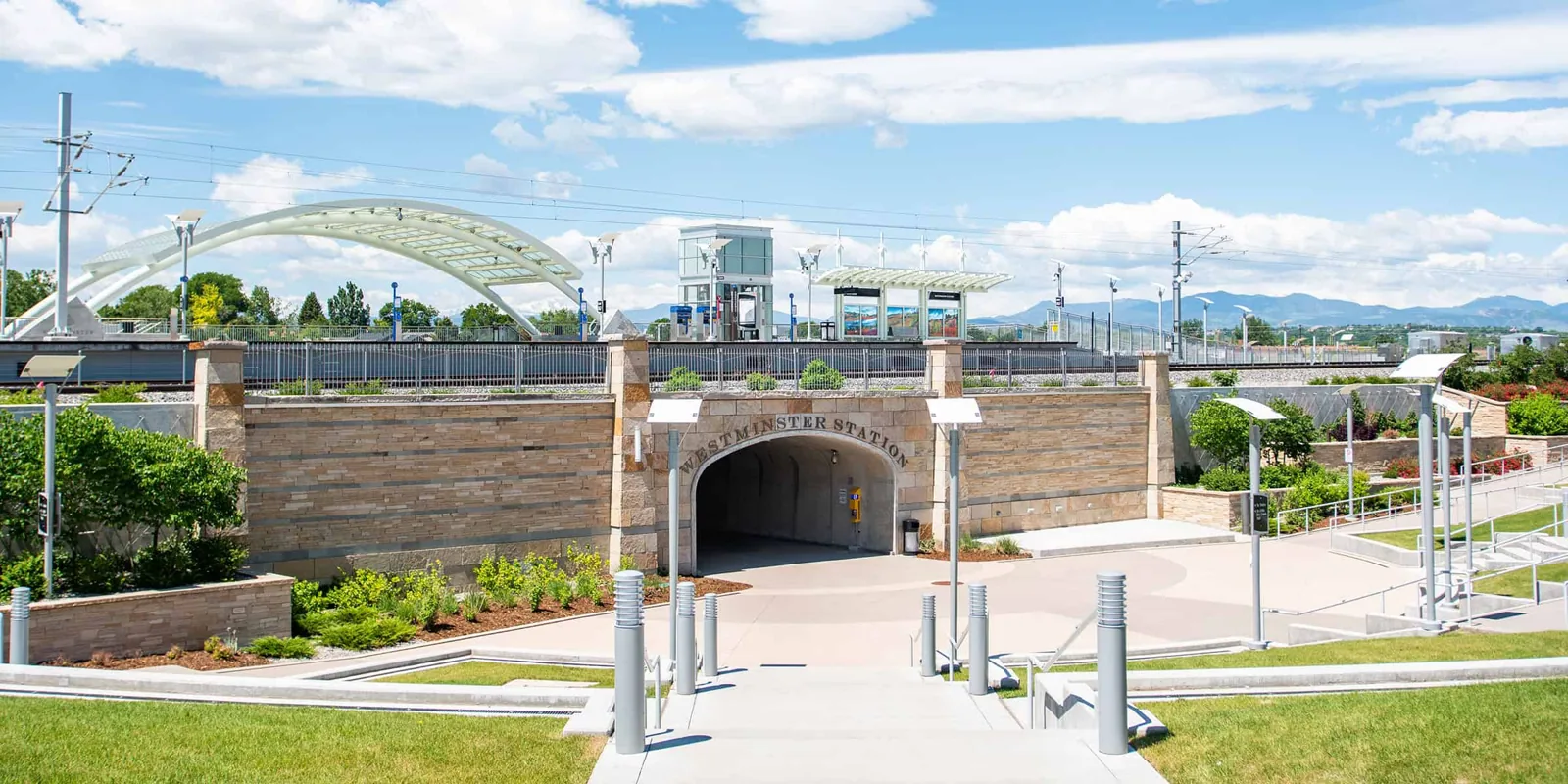
Louisville
Talk to Commercial Roofing Westminster
Call 555-555-5555 or send a request and we will schedule a visit to look at the roof, explain what we find and lay out your options.