
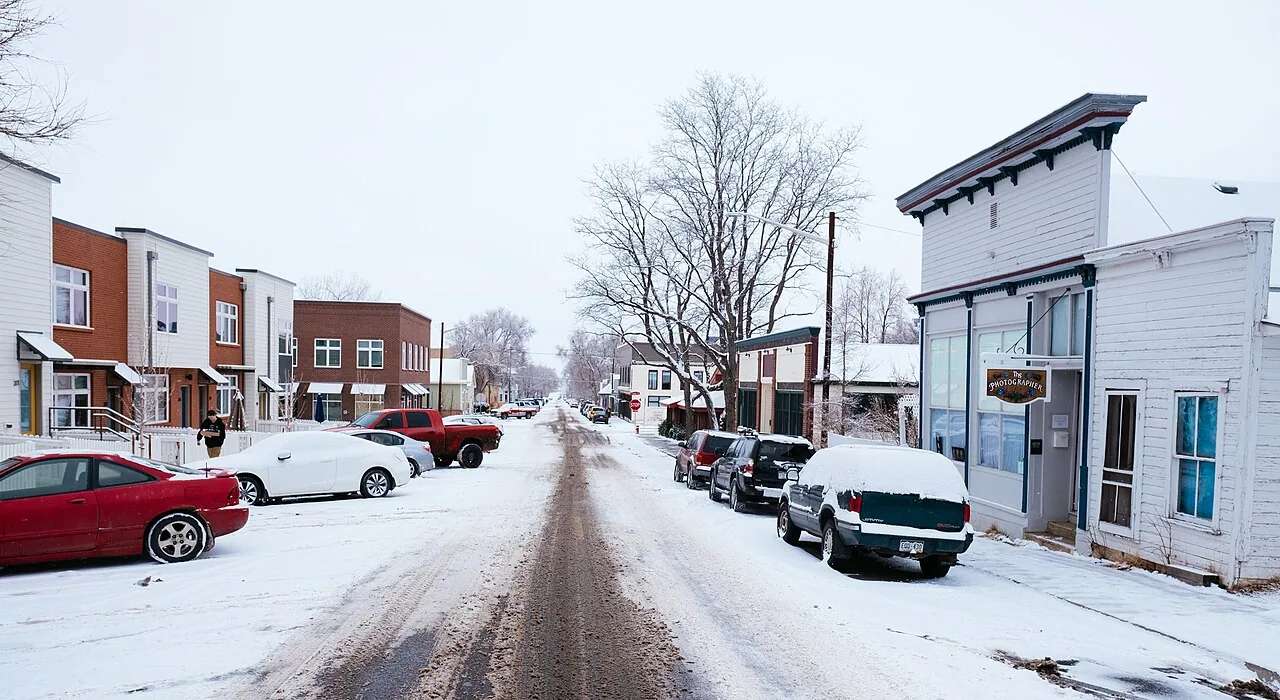
Commercial Roofing in Lafayette, CO
Plan commercial roof inspections and repairs in Lafayette around access, weather, drainage, and conditions confirmed on the building.
Lafayette
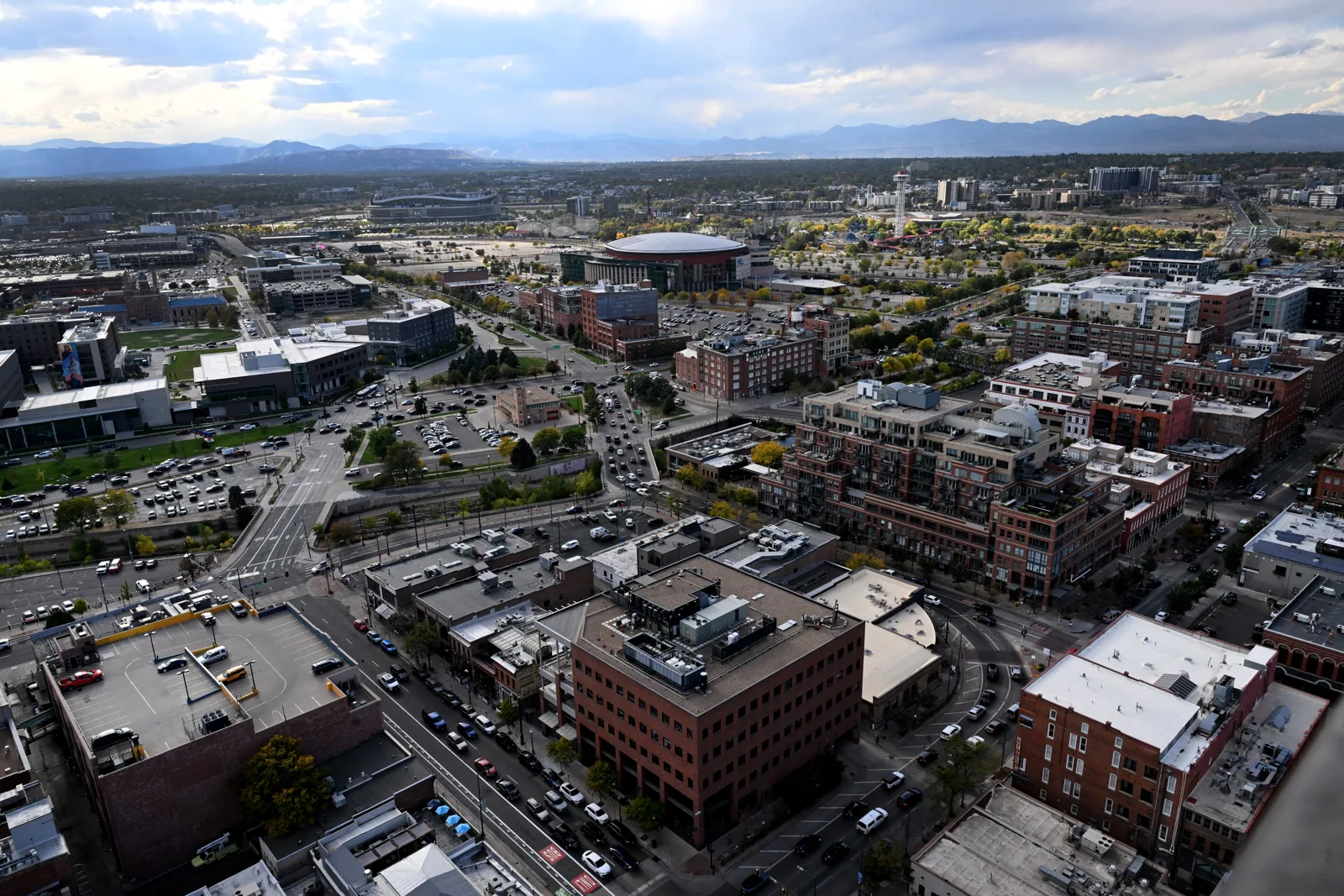
A Lafayette roof visit should start with the property and the report, not a guessed cause. The city sits in southeast Boulder County between Denver and Boulder and includes residential, commercial and light-industrial uses. Its planning materials identify major business areas and the Future 42 corridor along Highway 42. Those are useful service-area references; roof access, drainage and repair scope must come from the building itself.
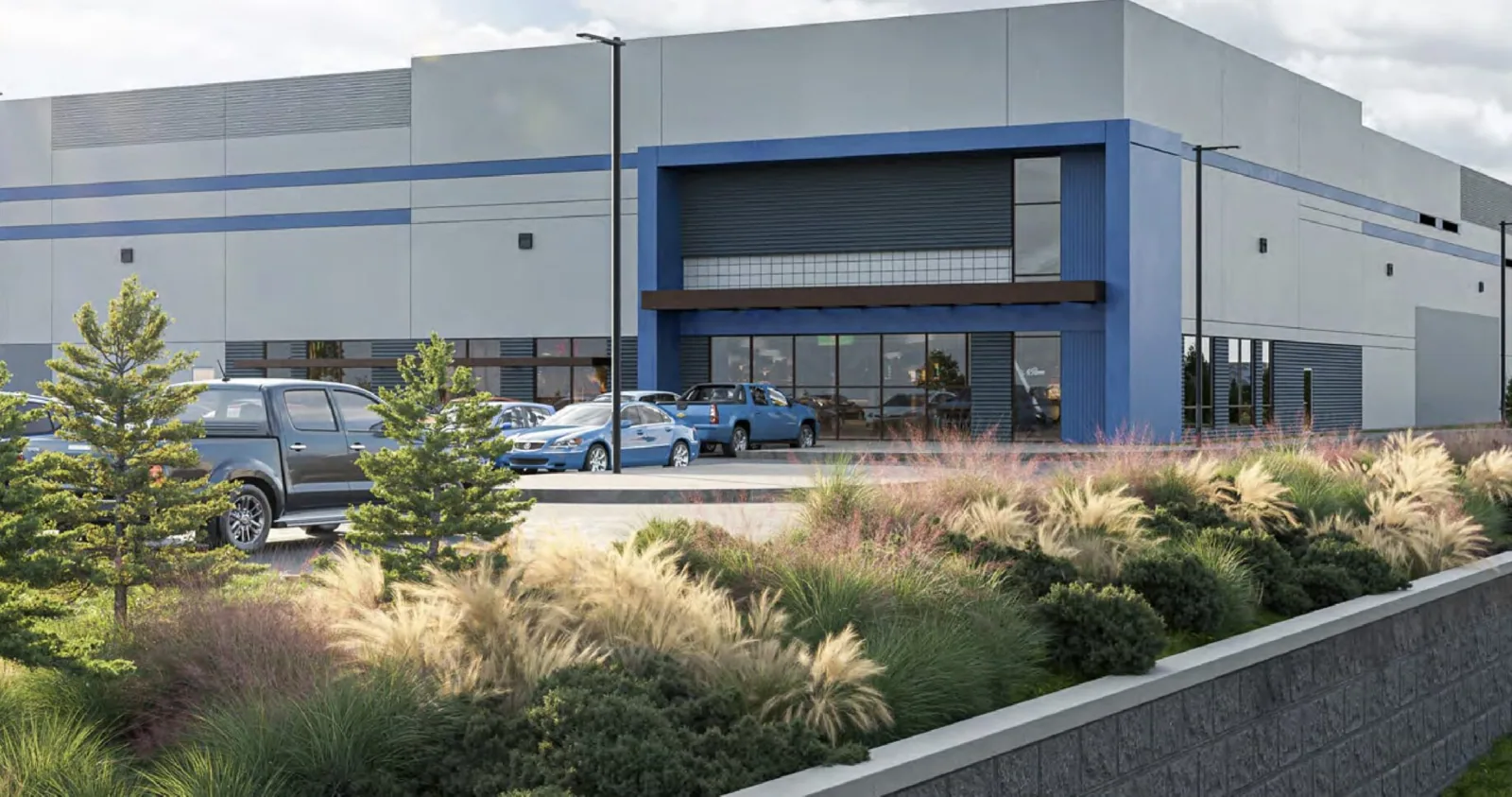
Keep the center's separate roofs clear
Lafayette’s commercial and light-industrial geography includes areas identified in city economic-development and comprehensive-planning resources. The Future 42 study follows Highway 42, also called 95th Street, through Lafayette and Louisville. These municipal and corridor references help place a service call across the city. They do not define a specific building or transfer responsibility between owners. Confirm the property boundary, roof access, and drainage connections during the visit.
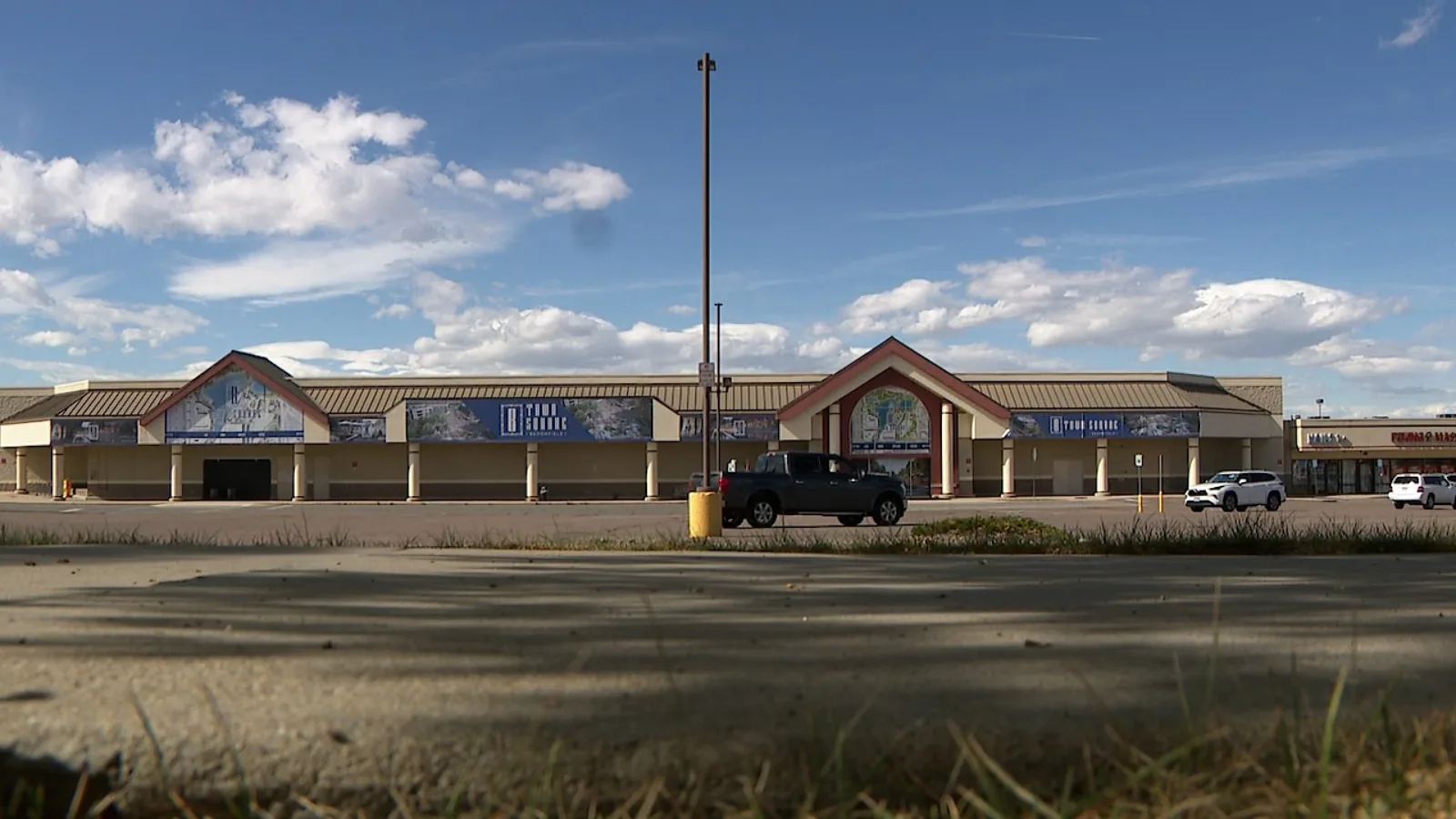
Identify the building or tenant space, current contact, roof entry, delivery path, and area where water appeared. If several structures are included in a request, open a separate map and work record for each. A 5280 Logistics Park inspection is another Thornton service route, but that warehouse campus has its own roof and access facts. Likewise, Northglenn Marketplace sits in a separate municipality and requires an independent inspection plan.
Map curbs, penetrations, field seams, roof edges, drains, and transitions before pricing a repair. Photograph a wide view and a close detail. Mark any location the crew could not reach. A condition report can tie the evidence to one structure without implying that the entire 65-acre center received the same inspection.
Follow water to the roof detail
Ask where the interior symptom appeared, when it began, and whether it followed a storm, thaw, or equipment service. A stain may sit away from the roof opening. Compare its location with seams, parapets, penetrations, curb bases, walls, and drainage paths. If a ceiling is wet, protect the interior first and preserve the timing details for the roof walk.
Follow a reported leak from its likely roof zone toward nearby equipment, wall transitions, and drainage points. Check for punctures, separated joints, damaged pitch pockets, displaced edge pieces, clogged strainers, and repairs that have lifted. Trace each low area to an outlet rather than treating a clear drain bowl as proof that flow is unobstructed. A commercial roof inspection should state which section was accessible, what was found, and what requires testing.
Do not choose a repair material until the assembly is known. TPO, PVC, EPDM, KEE, modified bitumen, built-up, and metal systems need different preparation. For a verified built-up roof, a BUR condition check can document surfacing, drainage, and transitions. Use records or field confirmation to establish the actual system.
Use the forecast without assuming exposure
The Denver-Boulder forecast area can bring hail, wind, thunderstorms, flooding, winter weather, heat, and cold. A hail report was recorded near Westminster in May 2024; roof damage was documented elsewhere in the north metro during the same storm. Use the event date to schedule a review when exposure is reported, then photograph the Grove building's actual roof conditions.
Snow varies across metro Denver. After snowmelt in Lafayette, inspect drains, scuppers, low sections, and overflow paths on the roof section reached. Note whether water is present, where it stands, and whether an interior report aligns with that zone. Confirm the installed assembly before selecting a material, and list inaccessible areas or deferred tests separately from completed work. A municipal weather pattern can guide timing; the inspection record should describe only observed conditions.
For an active leak, a leak response can protect contents while the permanent repair is scoped. For storm concerns, a hail inspection should record roof evidence by area. Keep temporary protection, testing, and permanent work distinguishable in the closeout file.
Build scope from measured conditions
A local puncture, seam opening, or flashing defect can support a defined repair if nearby material remains sound. Repeated entry, widespread moisture, failed attachment, or deteriorated edge details may point to a larger project. Check the assembly, insulation, substrate, drainage, and prior layers before comparing patching with coating, recover, or replacement. Testing should resolve a question that affects the recommendation.
Lafayette’s commercial and light-industrial areas range from highway-facing activity to smaller properties within established neighborhoods. Use the municipal service area to set coverage, then identify the specific building, responsible owner, roof access, shared drainage, and adjacent construction. A commercial district can contain several parcels with unrelated maintenance histories. Document which structure was reached and how the inspected roof connects to the reported room before describing a cause or repair limit.
Before work, confirm Lafayette’s applicable permit route and adopted requirements with the local building department. A replacement scope should identify the work jurisdiction, roof assembly, insulation assumptions, and project limits before material is ordered. If conditions support keeping the roof in service, maintenance service can document routine observations.
Request a Lafayette roof inspection
Share the business area or building, affected room, leak or weather timing, roof access contact, and operating limits.
Protect public access during work
With multiple businesses at a large center, the work plan should state where crews enter, what route they follow, and how deliveries continue. Confirm staging space, lift position, material arrival, pedestrian protection, and affected customer entrances. Put the work boundary in the site notice. The presence of several operators makes clear communication valuable, but each property contact still controls their own access rules.
Coatings, adhesives, and exposed roof work require suitable surface and weather conditions. Check the selected system's requirements and forecast window. If conditions change, protect the assembly with an appropriate temporary detail and write down when permanent work resumes. Coordinate equipment interruptions with the tenant responsible for the equipment.
At closeout, remove packaging, clear roof drains, and restore public routes. Compare the finished area with the initial photos. Note which structures were inspected, what work was completed, and whether a test remains open. Keep the roof inspection and repair history in the building's maintenance record.
Give each operator a useful closeout
Store inspection images, system records, work orders, repair details, and warranties by building. Label each photo with the section, date, and direction. State what was visible, what was tested, what was repaired, and where access stopped. If a temporary dry-in remains, identify who owns the return and the target date.
When an operator changes, verify the current access contact and roof history before sending a crew. Use the last report to locate the prior repair. Check whether water returned, whether the drainage path is open, and whether any proposed follow-up was completed. This keeps one tenant's observations from becoming an unsupported statement about the whole center.
For The Grove service, provide the building or tenant area, affected room, leak or weather timing, roof plan, previous repair notes, and entry restrictions. We can inspect the identified roof, describe the evidence, and prepare options for repair or capital work. The recommendation should fit the property and roof zone actually reviewed.
Commercial Roofing Questions
Does Cabela's share a roof with the other Grove businesses?
Confirm roof connections and property responsibility for each building before setting a scope. We verify each building and any physical connection on site.
Do public stormwater improvements establish rooftop drainage performance?
No. Inspect the building's drains, overflows, and roof flow paths directly.
Can you inspect the entire center in one visit?
A portfolio visit can cover several buildings if access is arranged. Each roof still needs separate photos, findings, and boundaries.
What should a tenant report with a leak?
Provide the affected room, when water appeared, prior repairs, weather timing, and the property contact who can arrange roof access.
What decides repair or replacement?
The visible assembly, moisture extent, attachment, drainage, and repair history guide the available options. We document those conditions before proposing work.
Related Roofing Work
5280 Logistics Park, Thornton
Read more
Northglenn Marketplace, Northglenn
Read more
Commercial Roof Condition Reports
Read more
Commercial Roof Inspection
Read more
More Service Areas in Westminster
See the rest of our service areas for Westminster commercial buildings, or call 555-555-5555 to talk through your roof.
Lafayette
Talk to Commercial Roofing Westminster
Call 555-555-5555 or send a request and we will schedule a visit to look at the roof, explain what we find and lay out your options.