
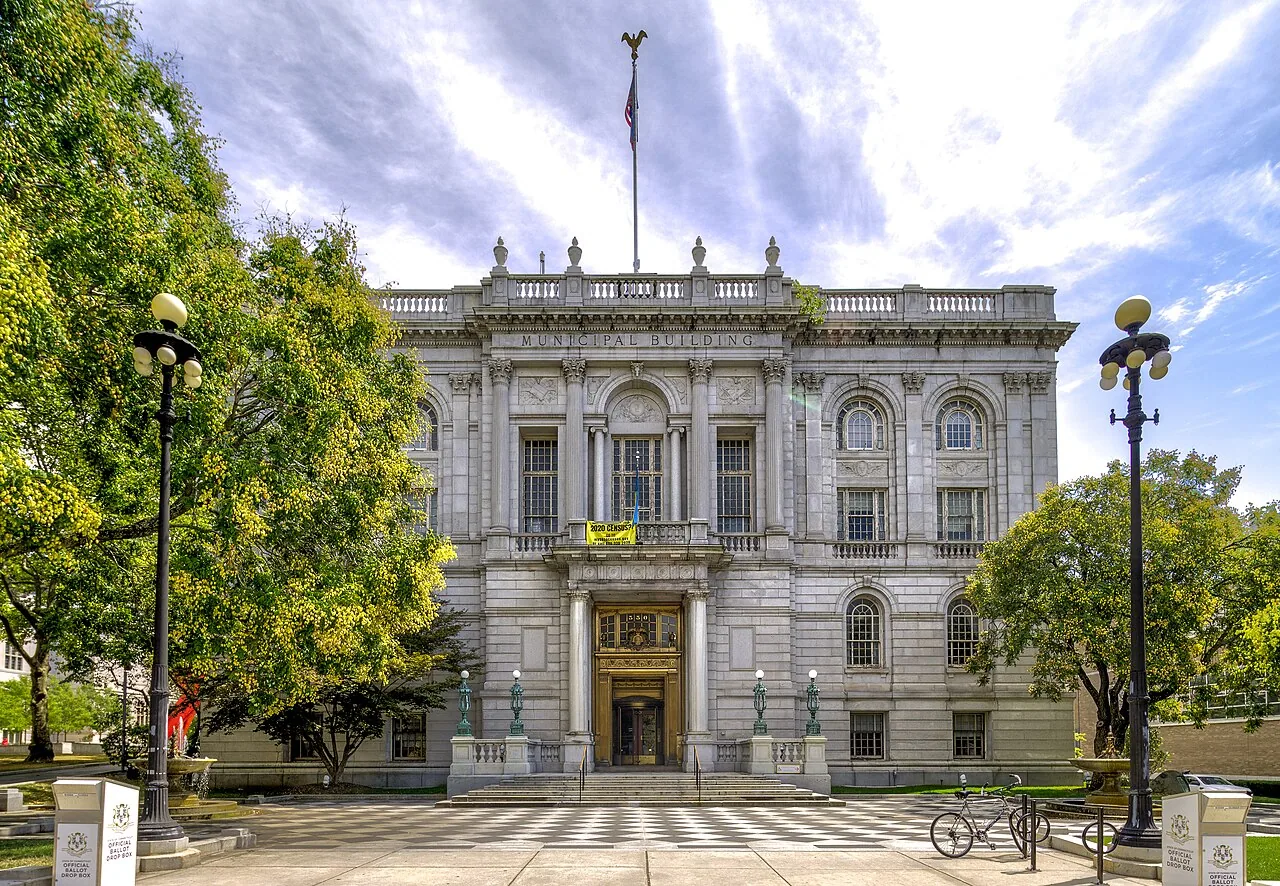
Government Building Roofing in Westminster, CO
Plan Westminster government roof inspections around public access, service counters, security, and operations. Document drainage and repair limits clearly.
Government Building Roofing
After a snowmelt leak or hail report, identify the public service area below the roof before setting an inspection boundary. Water may travel from a seam, curb, or drain before reaching a counter or records room. Westminster's 2021 code editions set the current construction review context, while the roof walk establishes the building condition. We document findings and coordinate access with the agency facilities contact.

Connect public rooms to roof zones
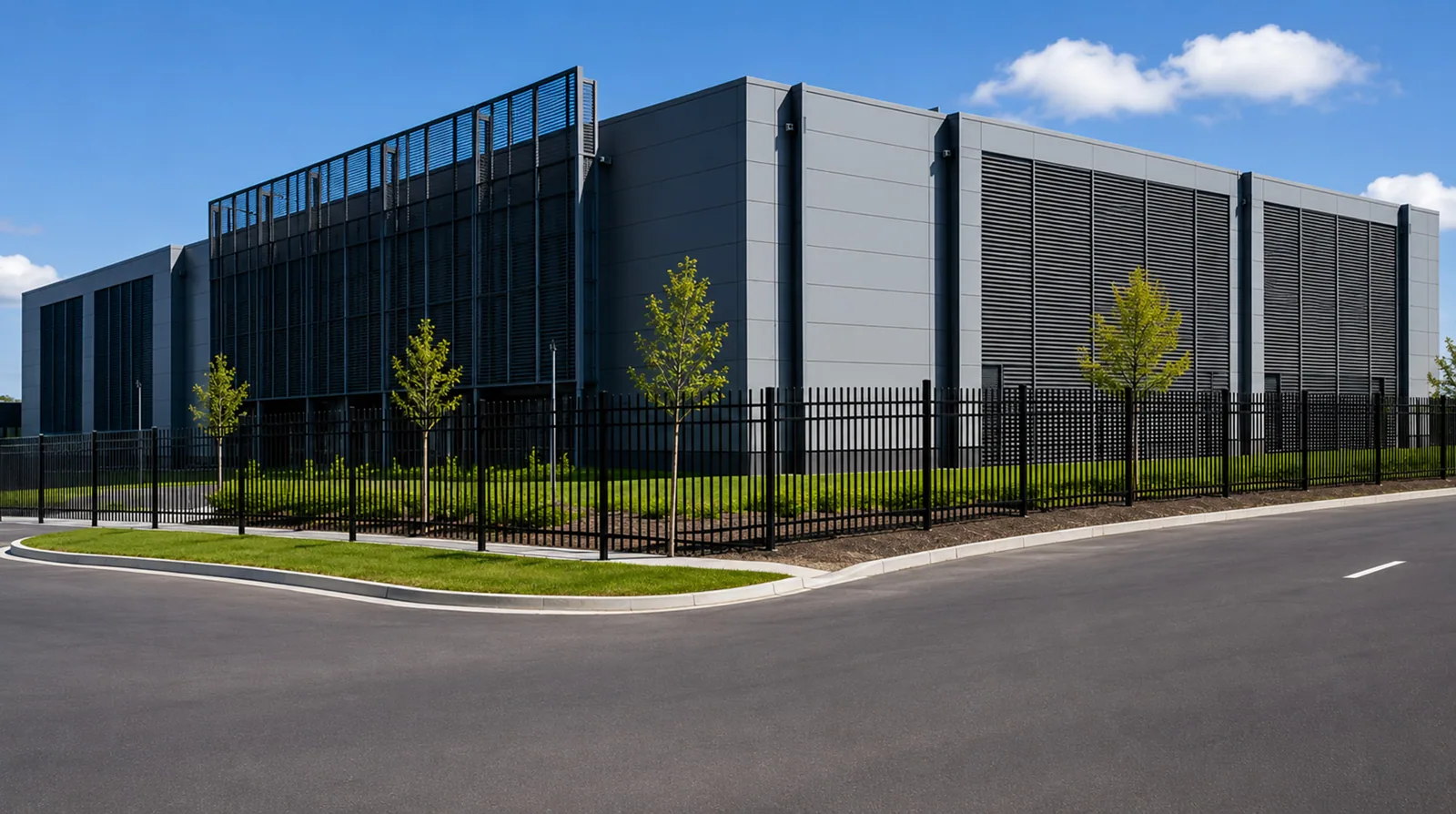
Government properties can include public counters, meeting rooms, offices, records storage, maintenance areas, and equipment spaces. The agency identifies business hours, secure rooms, public routes, and operations that cannot pause. We compare interior reports with drains, seams, curbs, skylights, and roof transitions, then mark the inspected area on a plan the facilities team can retain.
Westminster's Downtown Westminster is a high-density redevelopment area, and Westminster Station is planned as a mixed-use district with civic and commercial access nearby. Those places help orient dispatch; they do not identify which public building is being serviced. We confirm the property entrance, loading route, roof hatch, and security procedure directly with the agency. Westminster's U.S. 36 area also includes Westmoor Technology Park. That corridor reference helps with dispatch, but a government building's entrance and escort process must still be verified with its facilities lead.
A school inspection may center on student circulation and an academic calendar. A worship-building review can account for services and community events. Government facilities add public hours, records security, procurement steps, and continuity of municipal functions.
Trace the report and protect public service
We ask which room is affected, when the water appeared, whether it followed rain or melt, and what activity happens there. A drip below a roof drain can travel across the deck, so the nearest outlet is not automatically the source. A leak investigation documents the likely route, temporary protection, and any opening or test still required.
Records, electronics, public files, and counters may need covers or an alternate service arrangement. The agency names who can authorize room access and what security escort is required. Before an opening, the work plan identifies barriers, material route, room protection, and the point when the roof will be closed for the day.
Several reports in one building receive separate map locations. We connect them only when inspection shows a common roof path. The findings state what was visible, what was opened, which area remained inaccessible, and what the agency can expect next.
Use local weather to guide inspection timing
After snowmelt, inspect the drains, overflow paths, low areas, and parapet corners at the building. Record obstructions, retained water, and any interior report that followed the thaw. A drain inspection records outlet conditions, water marks, and any obstruction that needs correction.
The May 2024 north-metro hail event makes a post-storm check useful where a public facility may have been exposed. Review membrane, skylights, edges, and rooftop equipment, and tie each observed mark to a roof section. A photo log ties any observed impact to a roof section and separates it from old patches.
Heat, wind, snow, and ice affect access and exposed details in different ways. We record the conditions that preceded a report and do not infer failure from weather alone. If an active storm, ice, or wind makes access unsafe, the visit moves until the roof can be inspected safely.
Plan access without blocking public routes
The agency provides check-in, identification, escort, photography, and restricted-area procedures before the crew arrives. A council session, public hearing, or filing deadline may make one building wing unavailable even when routine offices are open. The facilities lead identifies those dates, and we sequence staging to preserve a clear public entrance and any records counter in use. Place any temporary parking notice before mobilization. We confirm whether a public meeting, vote, hearing, or service deadline affects the work window. Lift placement, staging, and debris handling must preserve emergency access and the route residents use to enter the building.
A small repair may fit outside counter hours or between public meetings. Larger replacement can proceed by wing or roof zone, with a daily closeout and notice before work reaches another entrance. An occupied-building sequence can identify active areas, noise, barriers, and return-to-service timing.
Procurement and approvals are set by the agency. We provide the observed condition, proposed scope, schedule assumptions, and any allowance for concealed work so reviewers can evaluate the same defined boundary. If a field condition changes that boundary, the foreman pauses and documents the finding before requesting a scope update. The written record can include the date, roof area, photographs, interim protection, and a clear decision point for the agency reviewer. This keeps urgent leak control separate from later capital approval and shows which work the crew can complete under the current authorization.
Set a roof review around agency access
Share the Westminster facility location, roof plan, affected public or secure area, operating calendar, access and escort rules, recent weather or leak timing, and procurement contact. We will document a clear work scope.
Tie recommendations to evidence and records
A localized seam failure, puncture, flashing defect, or drain problem may be repaired when surrounding materials remain sound. We identify the assembly, compatible repair material, tie-in, and moisture evidence. The report names which building section is included and what remains concealed, giving the agency a clear basis for immediate work.
Repeated leaks or broad moisture may call for testing or capital planning. A recover needs acceptable moisture, attachment, roof height, drainage, and project review. A full renewal can coordinate tear-off, added insulation, membrane installation, drain corrections, and perimeter transitions by service area so public functions can stay accessible where the site allows. Cost and duration depend on roof area, material handling, access, records needs, and the public calendar.
Westminster currently enforces the 2021 International Building Code and Energy Conservation Code. Applicable permits and reviews follow the project scope. We identify the proposed assembly and coordinate requirements with the agency instead of treating the code edition as proof that an existing roof complies.
Keep the asset record ready for review
Government buildings change as equipment, communications, and service needs change. Keep a roof plan with drains, curbs, penetrations, prior repairs, and areas that require an escort. Attach inspection photos to the building record, along with work dates, materials, approvals, and any conditions not yet tested.
A maintenance visit can clear drainage and inspect exposed details before weather changes. A documented roof review can separate urgent repair, monitoring, and capital items. At closeout, we state what work was completed, which routes reopened, and whether follow-up access is still needed.
For a portfolio, maintain distinct files for each building. One facility's roof condition does not describe another's. The agency receives a map that can support future budgeting, procurement, and emergency response without implying conditions that were never inspected.
Commercial Roofing Questions
Can public counters remain open during roof repairs?
Often, if staging, barriers, noise, and access are planned. The agency identifies service hours and emergency routes before the crew sets a work boundary.
What records do you provide for procurement review?
We document roof zones, photos, observed conditions, recommended work, concealed limits, and schedule assumptions so reviewers can assess a defined scope.
Does hail near Westminster establish damage at our building?
No. It helps time an inspection. The building's membrane, edges, skylights, and equipment determine whether a repair is supported.
How do you handle secure government areas?
The agency supplies check-in, identification, escort, and photography rules. We confirm access before mobilization and record any section we could not enter.
What should we share before a roof visit?
Send the roof plan, affected public or secure room, service calendar, access procedures, recent weather, prior repair records, and the facilities contact.
Related Roofing Work
Downtown Westminster
Read more
Westminster Station
Read more
Westmoor Technology Park
Read more
School Roofing
Read more
More Property Types We Roof in Westminster
See the rest of our property types we roof for Westminster commercial buildings, or call 555-555-5555 to talk through your roof.
Government Building Roofing
Talk to Commercial Roofing Westminster
Call 555-555-5555 or send a request and we will schedule a visit to look at the roof, explain what we find and lay out your options.