
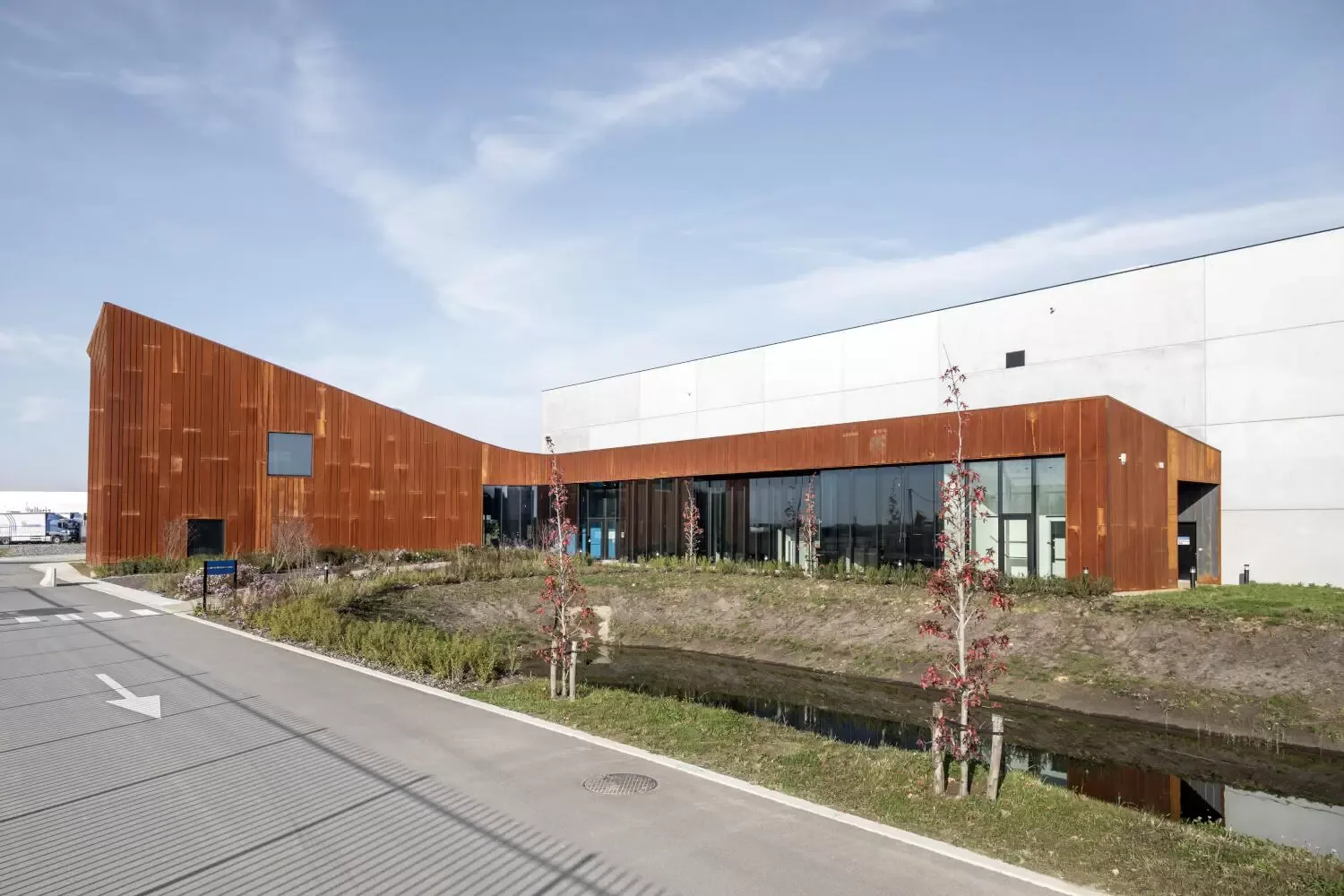
SOPREMA Commercial Roofing in Westminster, CO
Evaluate SOPREMA SBS, PVC, and liquid-applied commercial roof systems for Westminster properties by assembly, substrate, transition, and work conditions.
SOPREMA Commercial Roofing
A roofing file that lists SOPREMA may refer to an SBS membrane, PVC sheet, or a liquid-applied product. Identify the assembly before selecting a repair. These systems use different substrates, seams, and detail methods. Westminster's weather includes hail, wind, winter, heat, and cold, but the repair decision must start with the roof area and system actually inspected.
Separate the SOPREMA system families
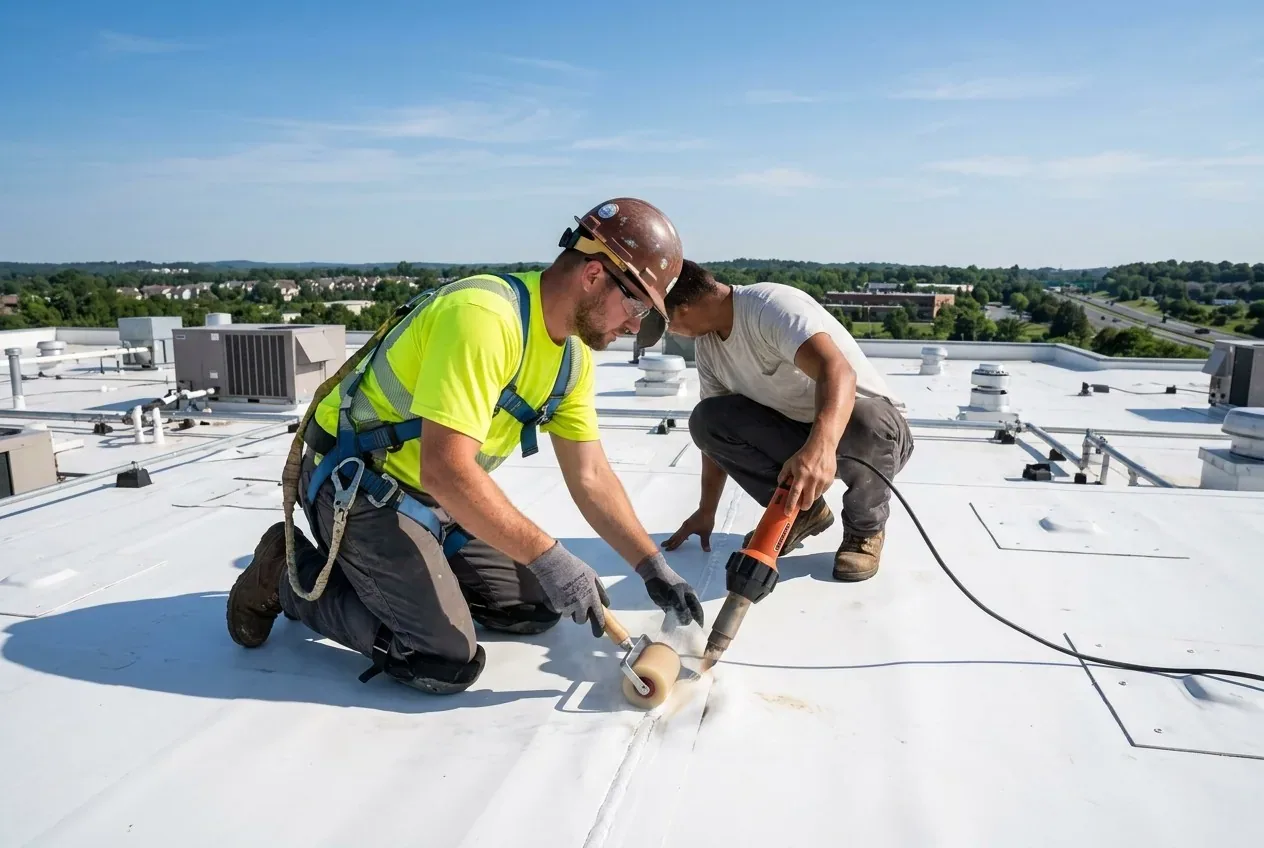
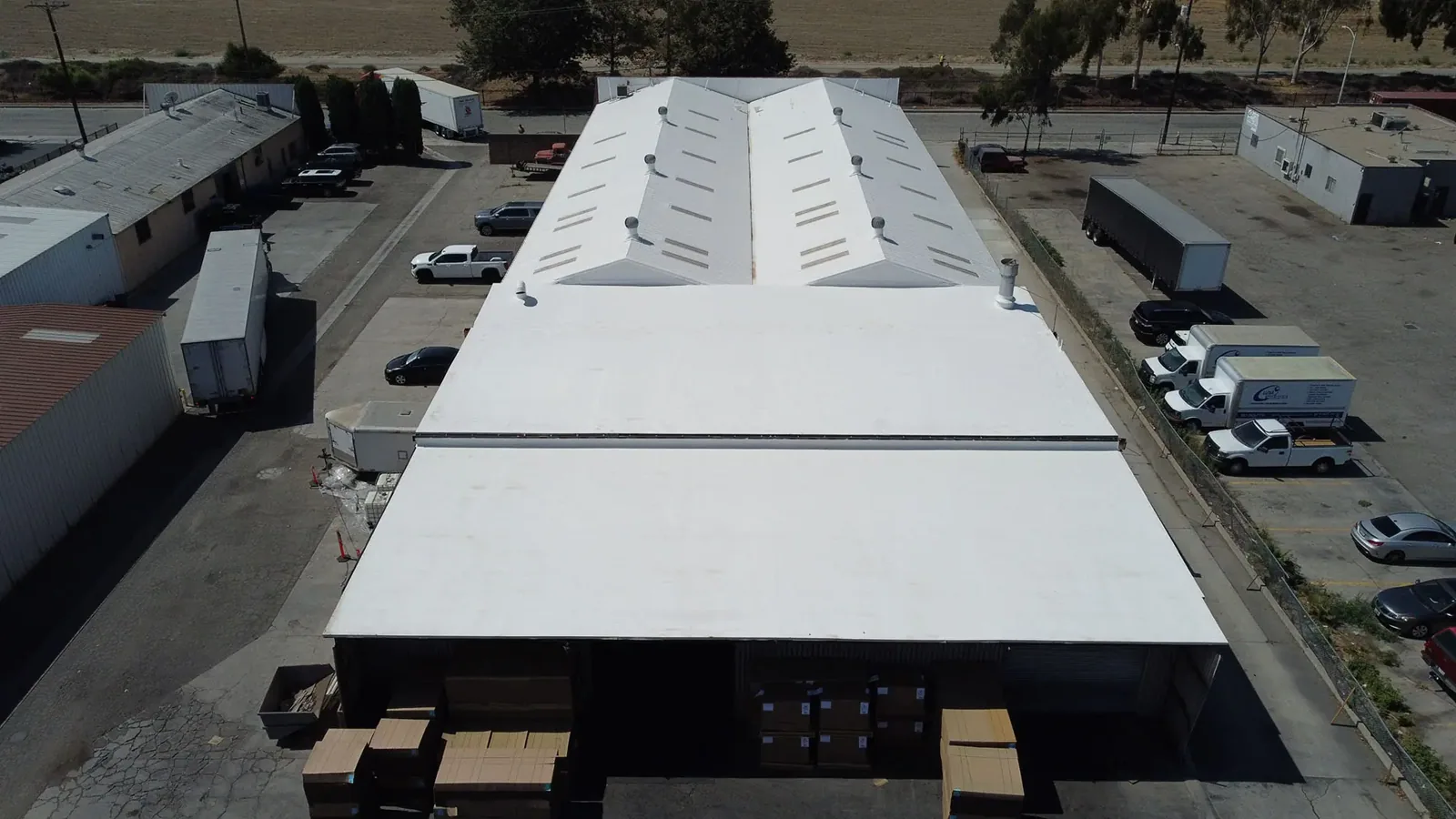
SOPREMA manufactures SBS-modified bitumen membranes, PVC single-ply membranes, and PMMA or PMA liquid-applied materials for commercial roofing. Those categories do not share one installation or repair method. An SBS assembly may include base and cap sheets; PVC uses a single-ply sheet with welded seams; liquid-applied materials rely on prepared substrate and the specified reinforcement or flashing components.
Look for product labels, project specifications, roll markings, seam style, and prior work records. Do not decide that a dark roof is SBS or that every resin is PMMA. If multiple systems meet at a wall or expansion joint, map the transition and identify the materials on each side. A Johns Manville SBS or single-ply system and a GAF assembly each have product-specific details that should not be assumed interchangeable.
Keep manufacturer, product, and roof assembly distinct in the report. A supplier name on a job file does not show which material was used on every section. Mark uncertain zones for records review or investigation before a repair specification includes a product name.
Check multi-ply laps and transitions
On an SBS roof, inspect cap-sheet seams, granule loss, blisters, splits, fishmouths, patches, and transitions around drains and walls. Look for open laps or a failed tie-in where water could enter. Determine whether the visible defect extends through the cap sheet or into lower plies. A repair boundary should reach sound material and account for layers that need rebuilding.
Heat-applied work requires a site-specific safety and installation plan. Confirm the specified application method, substrate, weather, fire controls, and protection around penetrations. If the approved system uses cold-applied components, follow those instructions instead of assuming torch work. Check the surface and adjacent materials before applying adhesive or asphalt. A modified bitumen roof scope should define the layers and tie-ins.
For a reroof, identify how many existing layers remain, what can be removed, and whether the deck or insulation needs review. Wet material, weak attachment, and uneven surfaces can change the chosen option. A replacement inspection should verify those conditions before a new system covers them. Budget and schedule can change with roof access, tear-off depth, deck repair, material staging, occupied-space protection, and the number of transitions that need rebuilding. Keep those assumptions visible rather than hiding them inside a single line item. If an opening reveals wet material, document its limits and authorize a changed scope before covering the area.
Inspect PVC welds and liquid details
SOPREMA's PVC products use thermoplastic seams that need compatible sheet, clean surfaces, heat, and pressure. Probe the cooled weld, review intersections, and inspect flashing at curbs, drains, and parapets. A surface repair is incomplete if the water path follows the perimeter detail or a failed termination.
PMMA or PMA liquid-applied systems require a sound, prepared substrate and the specified primer, reinforcement, and resin sequence. Check the product data and existing roof condition before applying a coating or flashing resin. A liquid layer should not conceal a wet area or weak membrane. Confirm cure conditions and protect the repair until it is ready for service.
A roof restoration scope should name the substrate, surface preparation, repairs, reinforcement, and coverage limits. If a roof combines PVC field membrane with resin-treated details, specify how those materials connect. Keep different system areas separate in the quantity takeoff and closeout photos.
Plan for Westminster building conditions
The Westminster Promenade includes retail, restaurants, hotels, events, and entertainment uses. That activity can affect deliveries, access, and protection at public entrances. A roof work plan should set staging and pedestrian controls with the actual property contact. It should not assume that every roof at the Promenade has the same assembly or operating schedule.
Federal Boulevard is the central north-south route through the 120th Avenue retail subarea. Roof work at an occupied shop there may need phased access and a daily dry-in. At Westmoor Technology Park, multiple multistory office buildings share a campus setting but retain separate roof systems and maintenance records. A Westmoor roof visit should identify the building and roof zone inspected.
The Denver area had documented roof impacts during a May 2024 hail event, including reports around Westminster. Use that regional detail to review the property file, not to assume the subject roof was struck. Map any impact, open seam, moisture, or area not accessed before adding storm work to the scope.
Review a SOPREMA roof system
Share the Westminster building, product records, roof plan, leak history, previous repairs, and access contact. We will identify the assembly and document compatible repair or replacement options.
Build a repair scope around the material
For an active leak, protect the interior and record the roof opening before temporary dry-in when safe. Identify whether the permanent correction is a membrane patch, lap rebuild, curb flashing, drain detail, or larger moisture investigation. State the system and materials only after confirmation. If no entry point is visible, keep the suspected path distinct from a confirmed defect.
A roof inspection can document the roof section and open questions. A repair proposal should identify preparation, product, extent, edge treatment, testing, and closeout. List exclusions and concealed conditions that could change the work. Keep emergency mitigation separate from the permanent work order.
For broader wear, compare localized repair with restoration or replacement. Consider roof area, drainage, moisture, number of layers, access, tenant operations, and whether the substrate can support the selected material. Price drivers should be visible: removal, disposal, material layers, tie-ins, and staging. Do not promise warranty coverage or a performance term not found in the project documents.
Keep the next inspection on the same page
Store product sheets, project specifications, roof plans, repair records, approval documents, and photos with the building file. Label each area by roof zone and material family. If a future contractor sees a patch, the record should explain whether it is SBS, PVC, liquid applied, or a transition between systems.
For an owner with properties along the U.S. 36 and North I-25 retail subareas, use a consistent report structure while keeping each roof's facts separate. A portfolio summary can list open work, but the underlying record should show building, area, observed condition, and next action. Circle Point and Westmoor are both in the broader U.S. 36 corridor, yet no assumption should move from one roof to the other.
Share Westminster roof plans, SOPREMA product information, leak history, prior repairs, and access constraints. We can inspect the assembly and define a repair or project scope that fits the observed materials. Closeout should say what changed, what remains, and whether another test or follow-up visit is due.
Commercial Roofing Questions
Which commercial roof systems does SOPREMA make?
Its commercial portfolio includes SBS-modified bitumen, PVC membrane, and PMMA or PMA liquid-applied materials.
Can an SBS repair method be used on SOPREMA PVC?
No. Identify the product family and use its applicable seam and flashing method.
Can liquid-applied material cover an existing leak?
Only after the substrate and defect are evaluated. Prepare and repair the area as required, and do not cover concealed moisture.
What records help identify an older SOPREMA roof?
Look for specifications, invoices, product markings, roof plans, repair photos, and details of previous work.
Does the 2024 hailstorm prove a Westminster SOPREMA roof was hit?
No. Inspect the subject property and record roof-specific impact evidence before setting storm work.
Related Roofing Work
Johns Manville Commercial Roofing
Read more
GAF Commercial Roofing Systems
Read more
Commercial Modified Bitumen Roofing
Read more
Commercial Roof Replacement
Read more
More Roofing Manufacturers in Westminster
See the rest of our roofing manufacturers for Westminster commercial buildings, or call 555-555-5555 to talk through your roof.
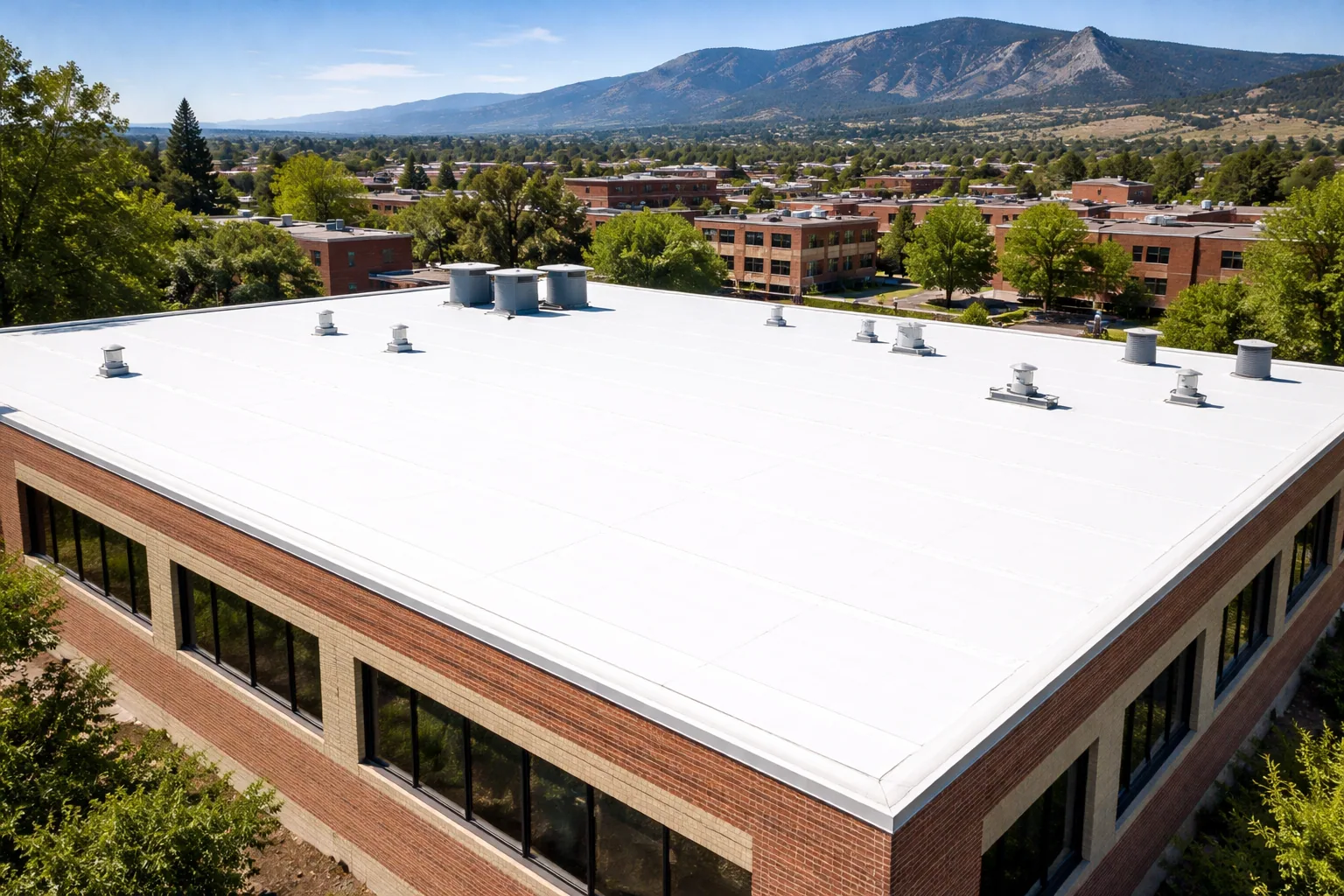
SOPREMA Commercial Roofing
Talk to Commercial Roofing Westminster
Call 555-555-5555 or send a request and we will schedule a visit to look at the roof, explain what we find and lay out your options.