
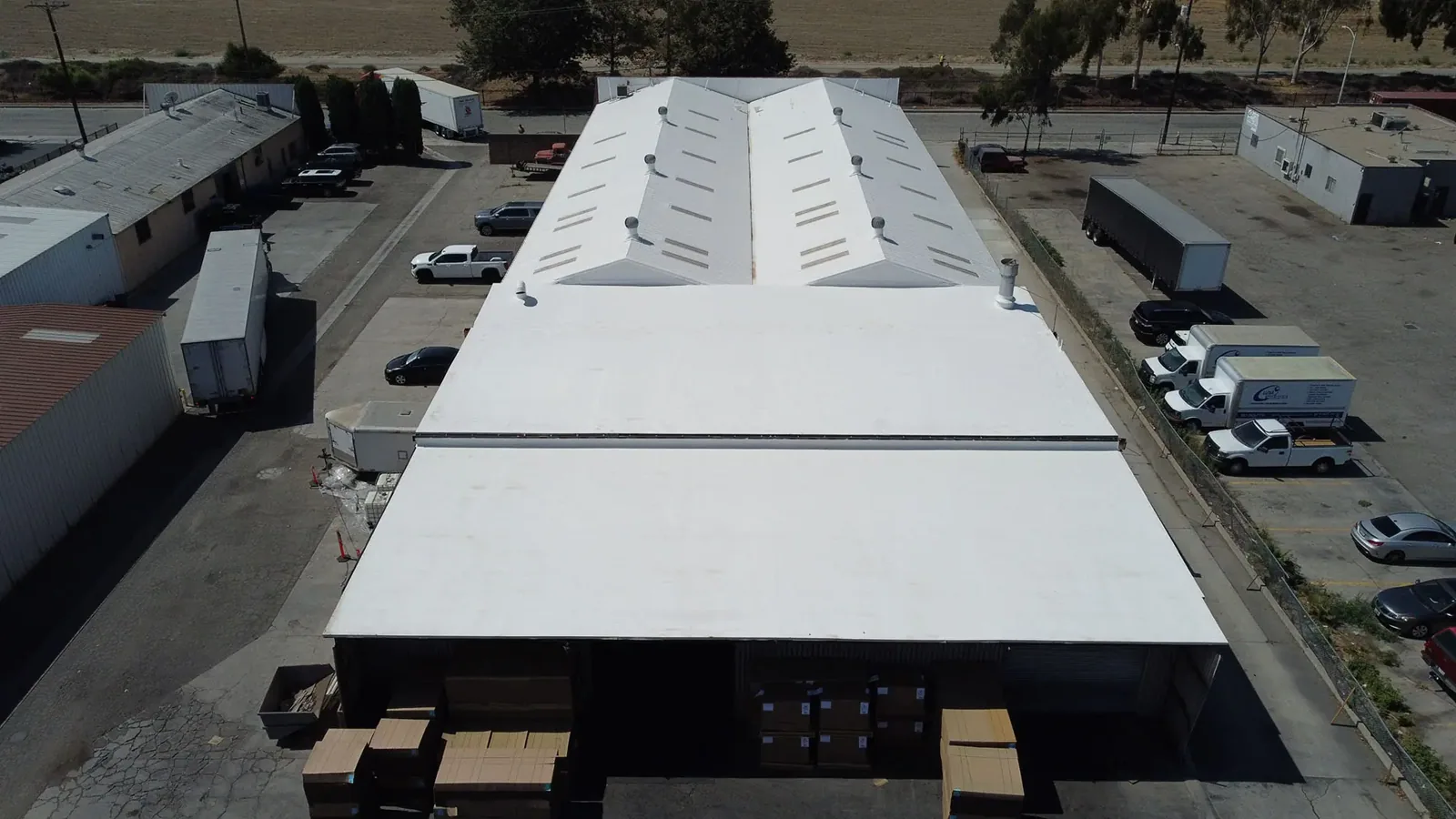
Sika Sarnafil Commercial Roofing in Westminster, CO
Inspect Sika Sarnafil and Sikaplan PVC roofs in Westminster by membrane type, reinforcement, attachment, welded details, and documented assembly conditions.
Sika Sarnafil Commercial Roofing
A PVC roof can have different reinforcement and attachment details across its field and flashing. Identify the Sika Sarnafil or Sikaplan product before setting a repair boundary. Sika's commercial range includes PVC membrane systems with adhered and mechanically attached options. Westminster's heat, hail, wind, and winter exposure can prompt an inspection, but only the building's roof confirms what work is needed.
Distinguish the membrane construction
The Sarnafil G family pairs fiberglass reinforcement with adhered installation; Sarnafil S sheets use a polyester scrim and mechanical attachment. Sikaplan PVC provides another system family with its own membrane and attachment options. These distinctions affect movement, fastening, flashing, and how a repair should be prepared.
Look for product marks, project submittals, attachment plates, seams, and flashing details. Do not assume that all PVC on a roof is interchangeable. A repair product with a similar color or thickness may not match the reinforcement or approved assembly. A PVC membrane roof still needs manufacturer-specific components, while a GAF PVC system and Carlisle SynTec PVC system have their own product documentation.
If the roof has more than one installation phase, mark where the assembly changes. A newer field sheet may meet an older flashing or coating at the perimeter. Record the transition, inspect bond and termination, and seek the original details when available. If the system cannot be confirmed, identify the uncertainty instead of naming a product from appearance alone.
Inspect the welded seam as a construction detail
PVC seams are heat-welded. The weld depends on clean surfaces, suitable equipment settings, correct overlap, and steady movement. Probe the seam after it cools and look for skipped areas, contamination, loose edges, or a change at intersections. A small opening at a T-joint or corner may need a shaped patch or accessory, not a long strip applied without preparing the detail.
Before repairing, test a weld under current roof conditions. Surface temperature, wind, moisture, and membrane age can affect how material responds. Remove degraded or contaminated material as specified and make the patch extend into sound sheet. Check the repair edge and nearby seams. Keep the repair limits visible in photographs so the next inspection can distinguish new work from original membrane.
At a curb or penetration, inspect the base flashing, corners, metal counterflashing, and attachment. Confirm that water drains away from the detail and that the flashing height and termination suit the assembly. A curb and skylight flashing repair should identify which transition failed and how the new membrane connects to the existing field.
Confirm deck and attachment before reroofing
A mechanically attached Sarnafil S assembly depends on the specified fasteners, plates, pattern, and deck. An adhered G assembly depends on a compatible substrate and adhesive coverage. The membrane name cannot answer whether the existing roof meets current project needs. Review plans, test attachment where warranted, and inspect the perimeter and corner zones that experience different wind loads.
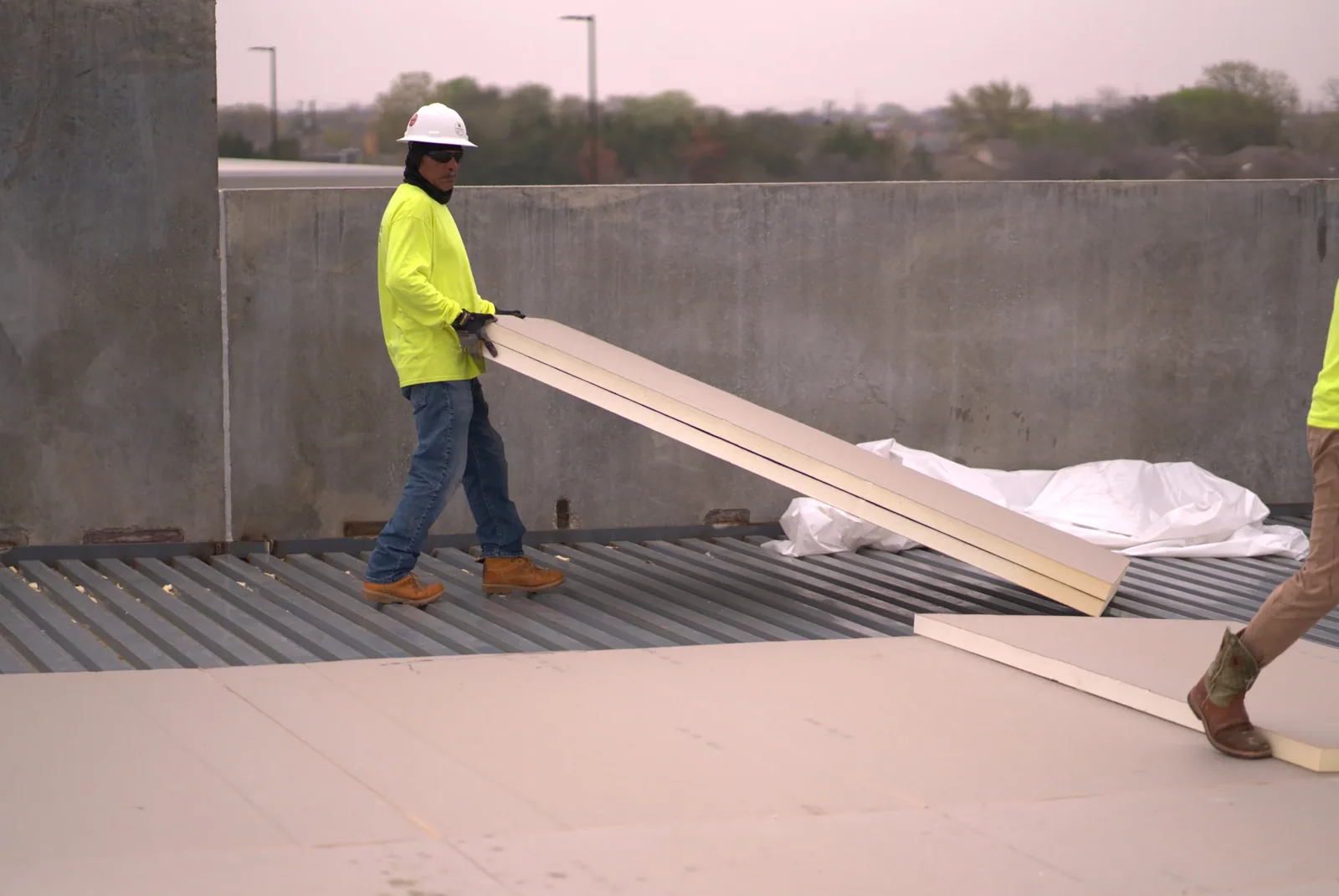
When planning replacement, identify deck type, insulation, cover board, vapor-control layer, existing membrane, and drainage. Determine whether old layers can remain or need removal. Wet insulation or weak attachment can change the proposed path. A replacement scope should describe each layer and the transitions at edges, drains, and equipment curbs.
On a multistory property in the U.S. 36 corridor, confirm lift access, rooftop equipment routes, and roof-zone labels before the inspection. A Westmoor roof review should tie each membrane finding to the correct building and section.
Choose details for the building conditions
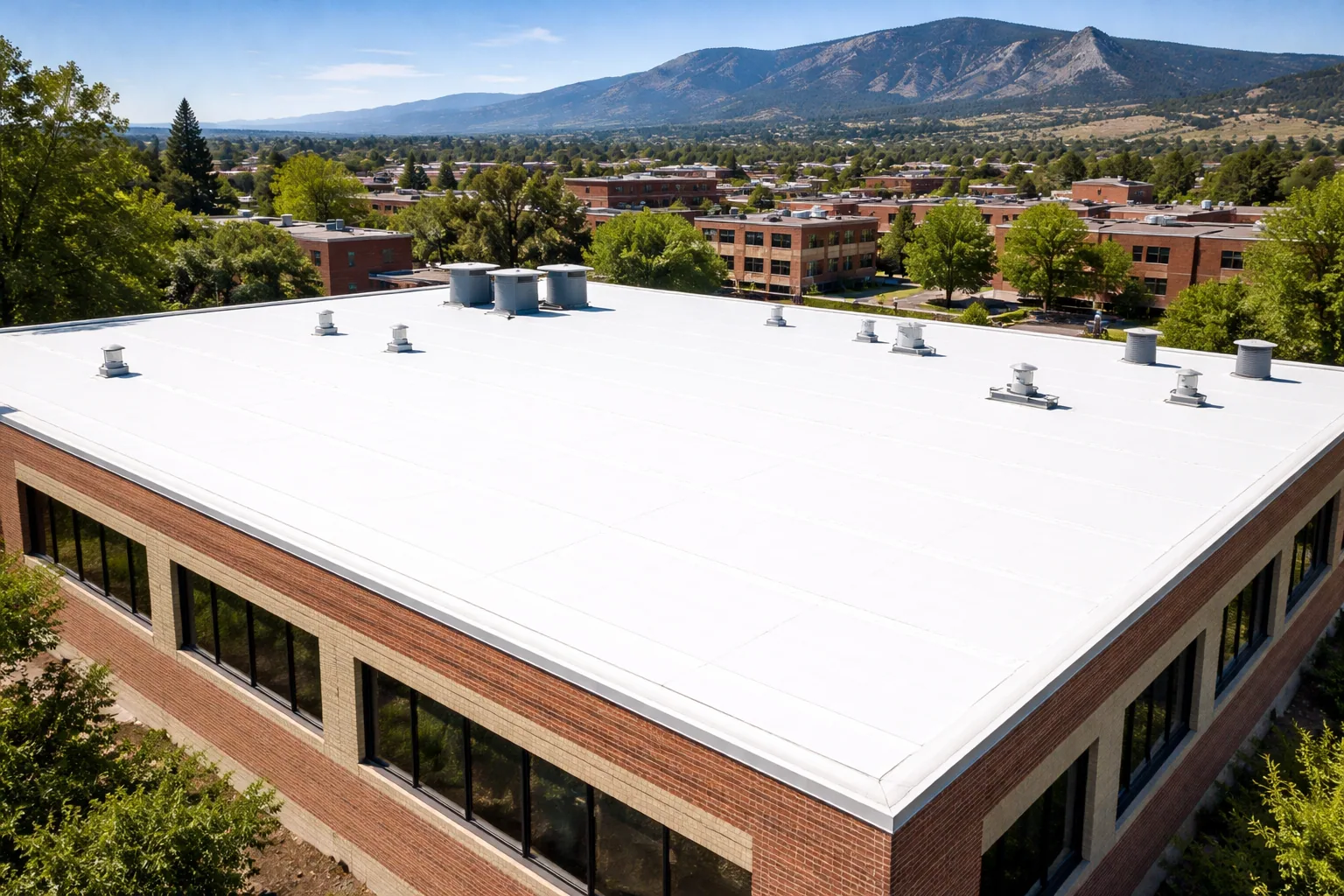
Compare the membrane and attachment with roof slope, foot traffic, equipment, drainage, interior use, and the owner's maintenance plan. A light-colored sheet may reflect sunlight, but roof reflectance alone does not predict a building's energy use. Insulation, HVAC, operations, and the whole roof design also matter.
Circle Point's office campus and Westminster's 120th Avenue retail corridor represent different operating patterns. An office roof may have controlled equipment access; a shopping property may need staging away from active entrances. Record these conditions in the schedule and work plan. Do not infer membrane suitability from the type of business at a site.
After the May 2024 north-metro hail event, inspect a Sarnafil roof where the property may have been exposed. Check membrane cuts, flashing, and metal accessories, then map visible impact evidence to the building and roof area. A commercial roof inspection can record findings and note inaccessible sections.
Review a Sika Sarnafil roof
Share the Westminster roof plan, membrane details, leak report, prior repairs, and access information. We will verify the assembly and identify compatible repair or replacement steps.
Scope a repair that respects the system
For a leak, record the interior location, timing, and roof zone, then trace the water path. A stain may appear away from the entry point. Inspect seams, penetrations, drains, edges, and any prior patch before selecting a material. If moisture may be below the membrane, define testing before closing the roof.
Use the system's repair details and compatible PVC membrane or accessories. Document the surface preparation, test weld, patch boundary, and closeout inspection. Separate temporary dry-in from permanent correction. If several welds or details have failed, determine whether a larger area or substrate issue connects them before repeating local patches.
A repair proposal should identify the Sika Sarnafil or Sikaplan product when confirmed, specify preparation and field checks, and state exclusions. For broad wear, compare local repairs with restoration or replacement using the deck, insulation, attachment, and edge conditions. Confirm any coverage question against the project-specific warranty and repair records. Set the work quantity from the mapped roof area, not an assumed square count. Include access equipment, membrane removal, confirmed insulation replacement, flashing, edge termination, disposal, and temporary protection as separate scope elements. These items explain timing and price changes if the field condition differs from the survey.
Keep product documentation with the roof
Store product data, assembly details, submittals, approved changes, installation photos, repair records, and warranty files with the building. Note the membrane type, reinforcement, attachment, and roof zones. If a future worker opens the roof, the file should show where the existing sheet ends and which accessory or flashing detail belongs there.
Westminster's business community includes aerospace, technology, health and life sciences, finance, hospitality, and business support. Access hours and equipment coordination can vary by facility. Keep those operating notes with the work plan while leaving system identity and roof condition tied to project evidence.
For a Westminster property, provide plans, membrane labels, leak history, prior repairs, and access details. We can inspect the roof, confirm visible system clues, and document the next step. A complete closeout records the area repaired, the material used, the seam check, and any follow-up needed after the next weather cycle.
For a PVC membrane repair, prepare a clean, sound surface and use a compatible detail that matches the installed product and attachment. Check weld quality at the repair edge, verify the tie-in, and document the finished seam after it cools. Where the assembly is adhered, confirm substrate condition and adhesive compatibility before setting a patch. Record material identification and test results so later maintenance can distinguish the repair from original field seams.
Commercial Roofing Questions
How do Sarnafil G and S membranes differ?
G is fiberglass-reinforced for adhered assemblies; S uses polyester reinforcement for mechanically attached systems. Confirm the roof's exact product and details.
Can we heat-weld any PVC membrane to Sarnafil?
Do not assume compatibility. Identify the installed product and follow its specifications for repair membrane and accessories.
What should an inspector check at a Sarnafil seam?
Check overlap, weld continuity, corners, intersections, and prior patches. Probe the cooled seam using the applicable method.
Does a hail report mean our Westminster PVC roof needs replacement?
No. Inspect the roof and document impacts, open seams, and other conditions before choosing repair or replacement.
What records help plan a Sarnafil replacement?
Provide roof plans, product data, deck and insulation details, attachment design, repair history, and access limits.
Related Roofing Work
Commercial PVC Roofing
Read more
GAF Commercial Roofing Systems
Read more
Carlisle SynTec Commercial Roofing
Read more
Commercial Skylight and Penetration Flashing
Read more
More Roofing Manufacturers in Westminster
See the rest of our roofing manufacturers for Westminster commercial buildings, or call 555-555-5555 to talk through your roof.
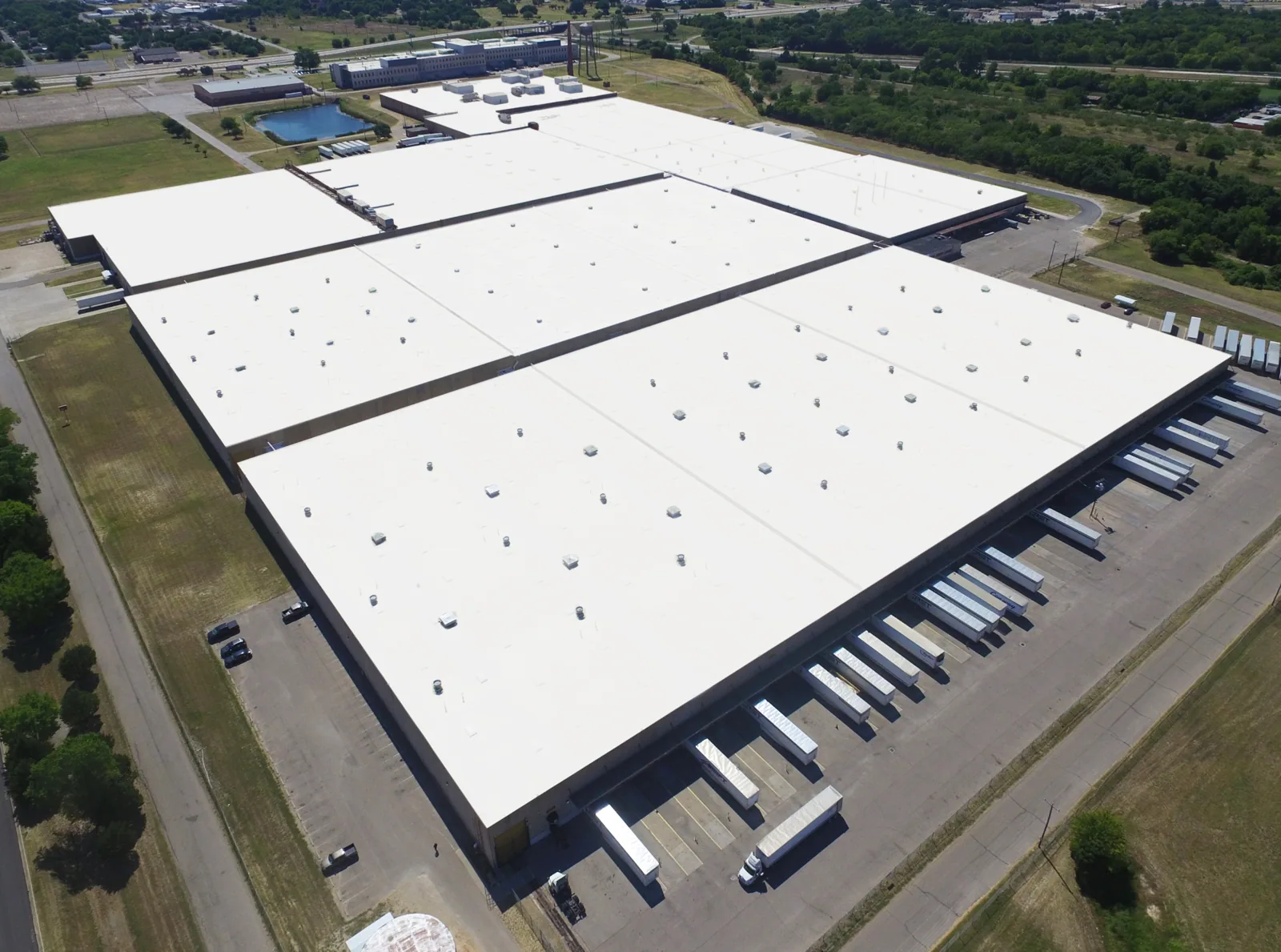
Sika Sarnafil Commercial Roofing
Talk to Commercial Roofing Westminster
Call 555-555-5555 or send a request and we will schedule a visit to look at the roof, explain what we find and lay out your options.