
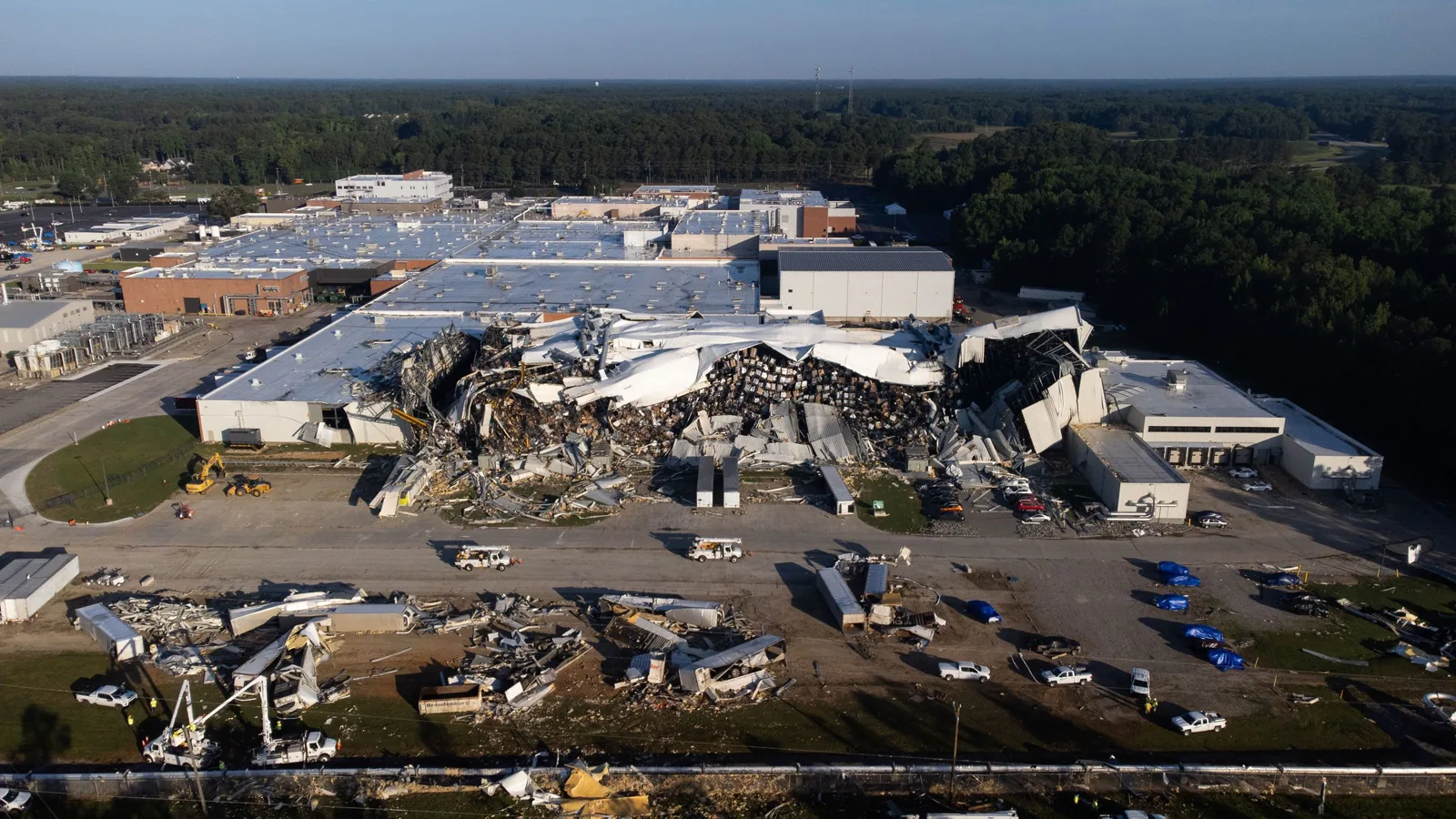
Commercial Tornado Damage Roof Repair in Westminster, CO
Assess Westminster commercial roofs after tornado-force weather for openings, debris impact, displaced edges, water entry, and safe repair scope.
Commercial Tornado Damage Roof Repair
After a tornado warning, inspect the roof only when officials and the property contact clear access. Check for openings, displaced edge metal, debris impact, and damage to rooftop equipment. The Denver/Boulder forecast area is subject to tornadoes, hail, wind damage, flooding, and winter weather. That is regional risk context, not evidence that a particular Westminster roof was struck.
Set a safe inspection boundary
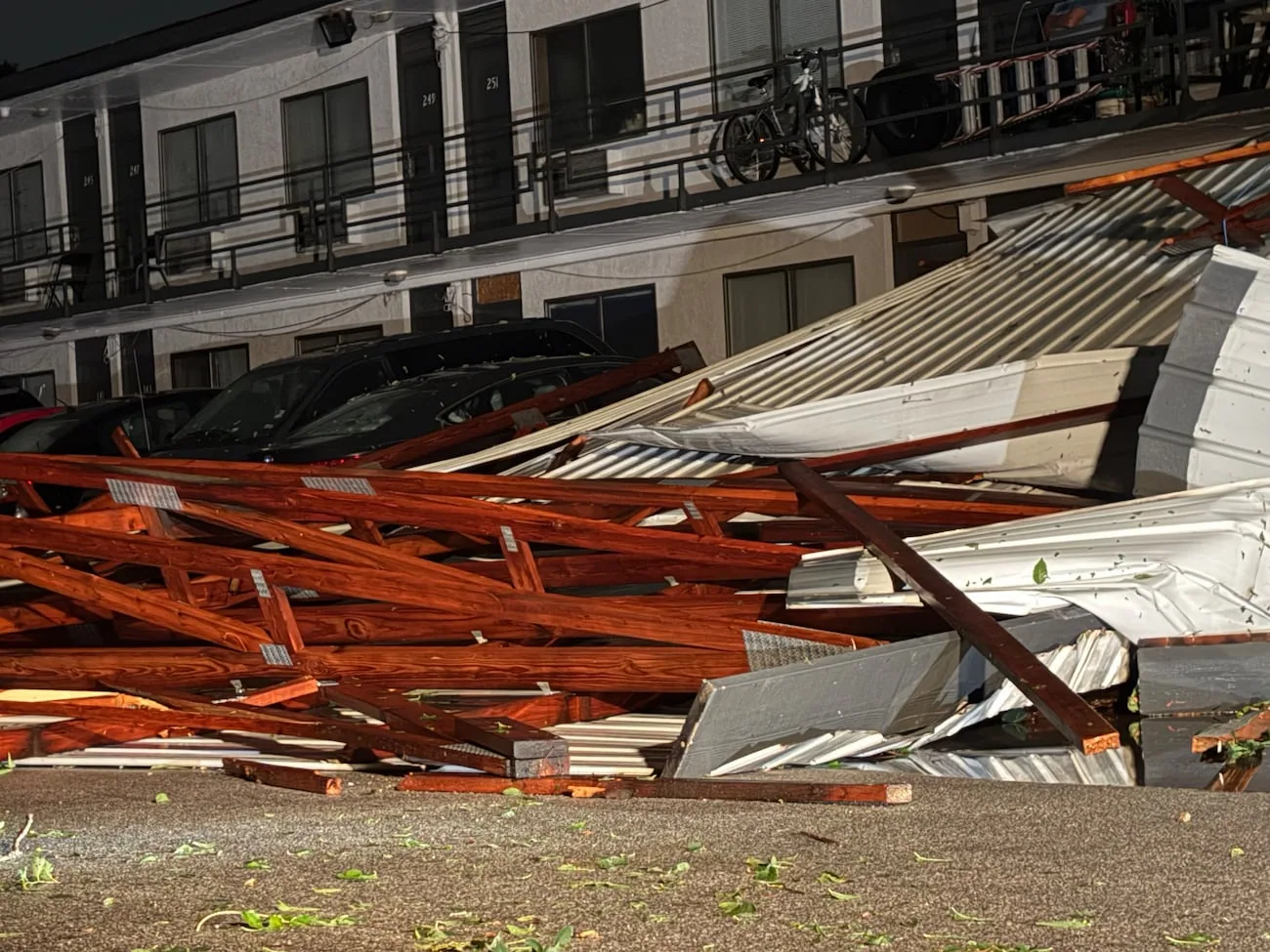
Debris, unstable equipment, damaged parapets, and exposed wiring can make a roof unsafe after severe weather. The site contact identifies restricted zones and any required structural or emergency review. Do not cross an area that remains closed. Record the approved entry point, escort, protective requirements, and person who can authorize changes.
Downtown Westminster and the Westminster Station TOD have different mixed-use and redevelopment settings. A Downtown Westminster service visit still needs the specific building, roof map, and access approval. The planned Westminster Station district has its own land-use context; the roof record should identify the actual property, approved entry, and building drawing. A district name does not indicate whether a roof experienced tornado conditions. Add the building identifier and roof section to every photo set.
If the property is not cleared for roof access, document visible ground observations and protect an active interior leak from an approved location. Return when debris and structural questions have been addressed. An incomplete observation should not be logged as a full roof inspection.
Map impacts before debris is moved
Photograph the roof from safe positions before cleanup changes the scene. Identify punctures, cuts, lifted membrane, displaced coping, damaged metal panels, broken skylights, shifted screens, and impact to equipment supports. Mark each condition on a roof plan and include a wider image that shows its section.
Debris can hide a seam or puncture. Record the location and type of object before removal if site rules allow. The owner should coordinate handling of hazardous or contaminated material with the appropriate response team. Roofing crews should not disturb an unsafe item to complete a surface repair.
A roof inspection can separate visible effects from concealed conditions needing a test. If a wall, parapet, or deck appears distorted, stop at the safe boundary and refer the condition for the required review. The roofing report identifies the observation, not an engineering conclusion. Check the roof perimeter for loose coping and sheet metal, then look across the membrane for tears or punctures that may be hidden by insulation debris. Mechanical screens, vents, and skylight frames can be shifted without a full opening in the roof field. Record each as a separate component and avoid removing attached debris until the site contact approves its handling.
Protect the building from follow-on water
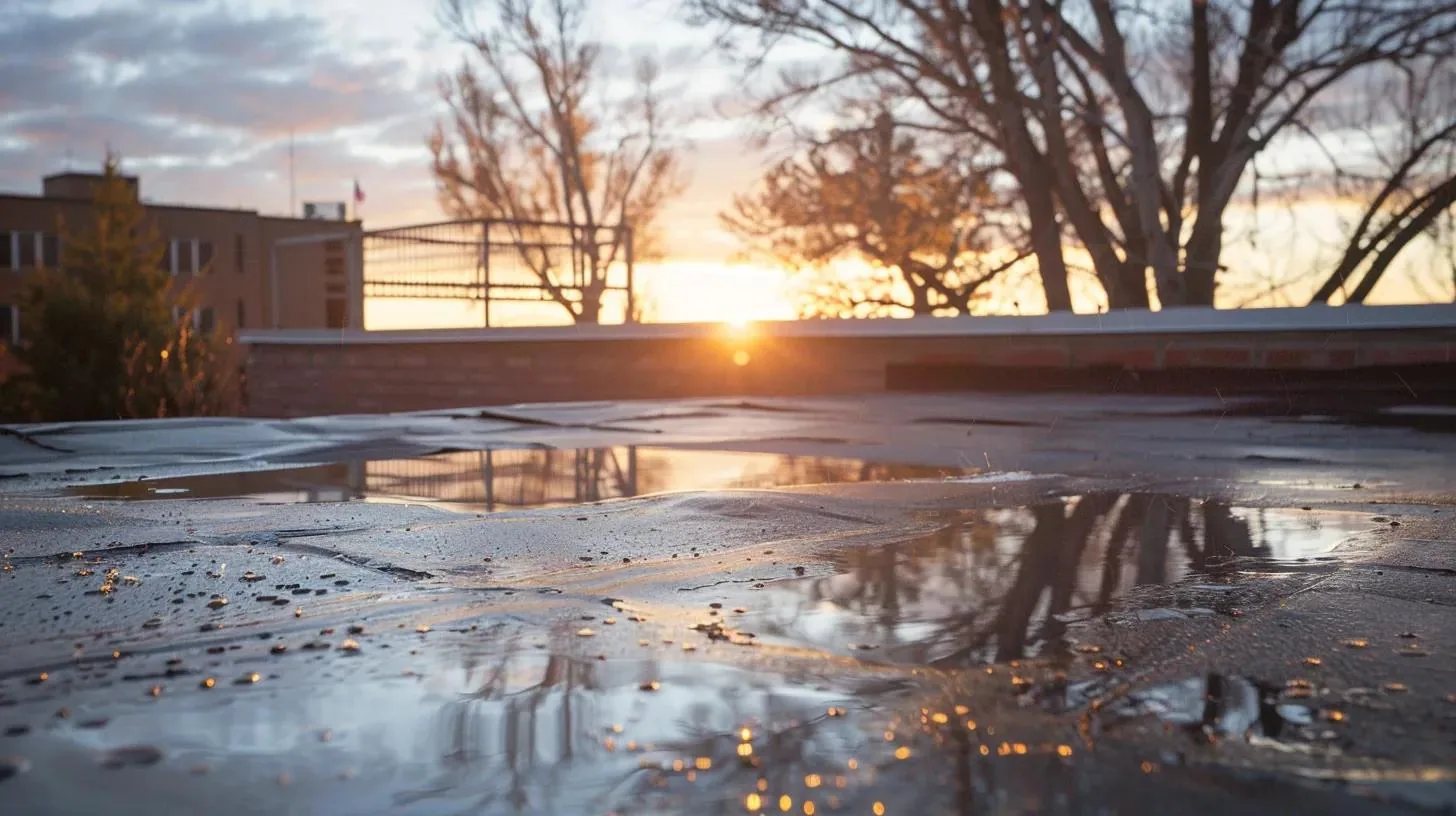
A roof opening allows the next rain or snowmelt to enter even after the severe weather has passed. Identify the opening, material exposed, interior below, and a safe temporary cover method. Record the cover boundary, attachment, date, expected duration, and person who checks it after weather.
A emergency roof response can provide temporary protection when access is approved. A leak investigation can trace water already entering the building. Keep those actions separate from permanent reconstruction so the owner knows what remains vulnerable. If several openings are present, mark which one can be protected first and what access equipment the crew needs. A temporary measure should resist expected weather and remain clear of drains. The closeout states who will inspect it, how long it is intended to remain, and what permanent material is needed for final repair.
Water from fire suppression or broken building systems may also be present. Record its source when known and coordinate interior protection with the facility. Do not attribute all wet insulation to wind or debris if another source could have contributed.
Distinguish tornado effects from other weather
High wind, hail, and tornado-related debris can damage different parts of a roof. For tornado-related roof repairs, note whether standing water clears before closing the work order; keep photos attached to the correct roof-zone record. If a severe-weather response leaves drains blocked, inspect the outlet and overflow route separately. That maintenance condition may need correction even if it did not result from the event.
A wind damage review can document displaced edge or fastening, while a hail inspection can check impact marks. Compare each record with the property’s earlier maintenance photos when available.
Document a severe-weather roof condition
Share the property address, access approval, event timing, roof plan, visible opening, and interior leak report. We will inspect the cleared area and document protection and repair scope.
Rebuild to a sound and measurable boundary
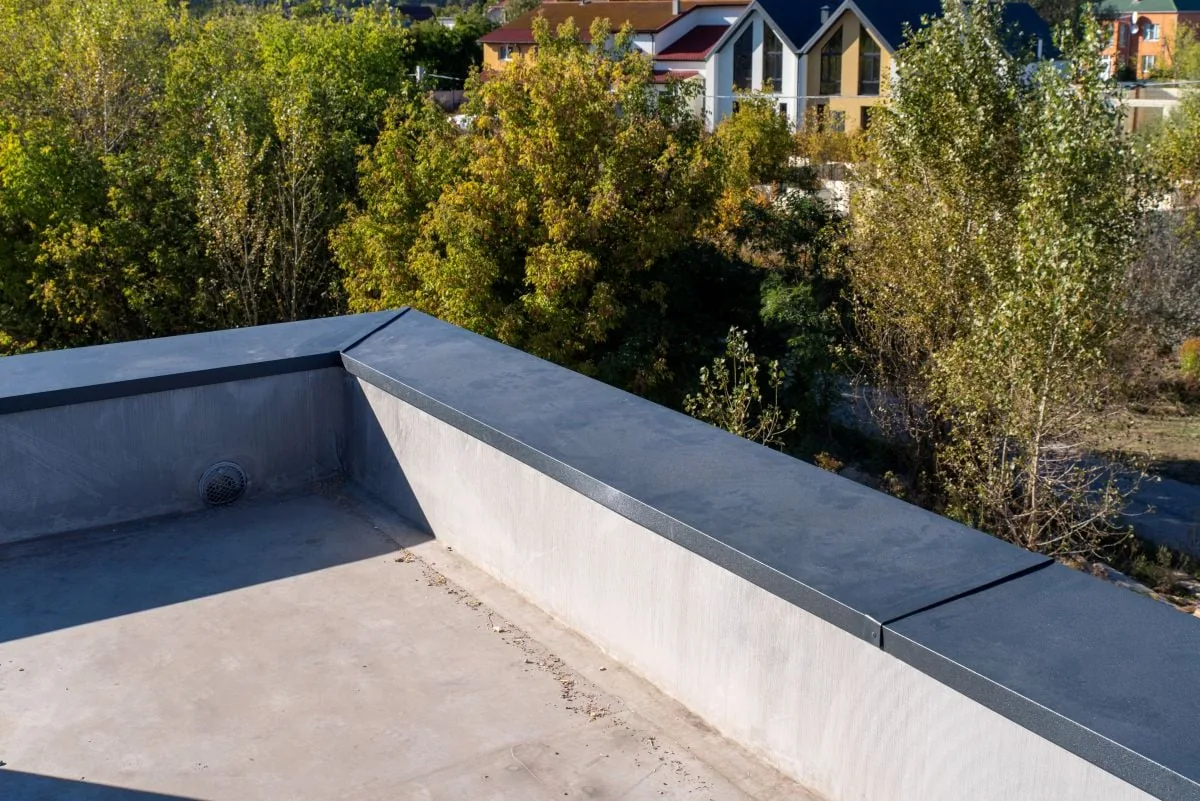
Small openings may be patched if surrounding membrane, metal, and attachment remain sound. Torn or detached sections may require removal to a secure tie-in. Replace damaged flashing, insulation, or cover board where the inspection supports it. The repair boundary should follow the material condition, not simply the outline of debris.
Multiple damaged sections or structural uncertainty may require phased restoration. A replacement proposal can identify demolition, assembly, perimeter details, rooftop equipment, temporary dry-in, and daily closure. Use field measurements for roof quantities; building footprint does not establish roof area.
Westminster enforces the 2021 International Building Code and Energy Conservation Code. Permit and project documents determine review. Keep approved materials, installation photos, debris-related observations, and the completed repair map in the closeout package. Roof openings above equipment, inventory, or public areas may need separate interior protection and a scheduled test before reconstruction. Identify affected areas and coordinate the work route with the building contact. If concealed attachment or framing remains uncertain, list the required review rather than covering the question with a surface patch.
Keep the event record tied to each building
Final documentation should show the roof sections inspected, restricted areas, debris removed, temporary protection, materials installed, and work still open. Date each photo and label its roof zone. Note which surfaces were not safe to access and what approval is needed for a return.
For a multi-building property, do not merge separate roof histories because they share a campus or manager. Keep each event timeline tied to its facility and include leak reports, prior repairs, and follow-up dates. A claim file can retain those records without making a coverage decision.
Schedule a later inspection once the site is clear and the temporary cover has weathered. That visit can check the repair boundary and identify any follow-on water. The maintenance record should show who accepted the work and who owns the next review. Keep emergency response contact information with the roof map. Update it after staff changes and revised roof access and escort controls for all roofing crews. Preserve the event date, safe-access approval, and temporary cover details with the photos.
If debris has opened the roof, first identify the exposed area and protect the interior with an approved temporary measure. Keep structural questions separate from membrane repair, and do not remove unstable material until access is safe. The return scope should show what was secured, what remains open, and who authorized the next step.
Commercial Roofing Questions
Can a roofer inspect during a tornado response?
Only after the authorized site contact clears access and any required safety review. Restricted or unstable areas stay outside the inspection boundary.
How do you document debris impact?
Photograph the object and affected roof area when safe, map the location, and record the surface damage before cleanup changes the condition.
Should a roof opening be covered before a full estimate?
Temporary dry-in can limit further water entry after documentation and access approval. It remains separate from permanent reconstruction.
Can nearby tornado risk establish damage to my property?
No. Forecast-area risk can guide readiness, but inspection evidence from the property establishes damage and repair needs.
What should the final roof restoration record show?
Keep dated photographs, inspected and restricted zones, removed debris, materials, repair limits, temporary protection, and any remaining follow-up.
Related Roofing Work
Downtown Westminster
Read more
Westminster Station
Read more
Commercial Roof Inspection
Read more
Emergency Commercial Roof Repair
Read more
More Roof Damage Repair in Westminster
See the rest of our roof damage repair for Westminster commercial buildings, or call 555-555-5555 to talk through your roof.
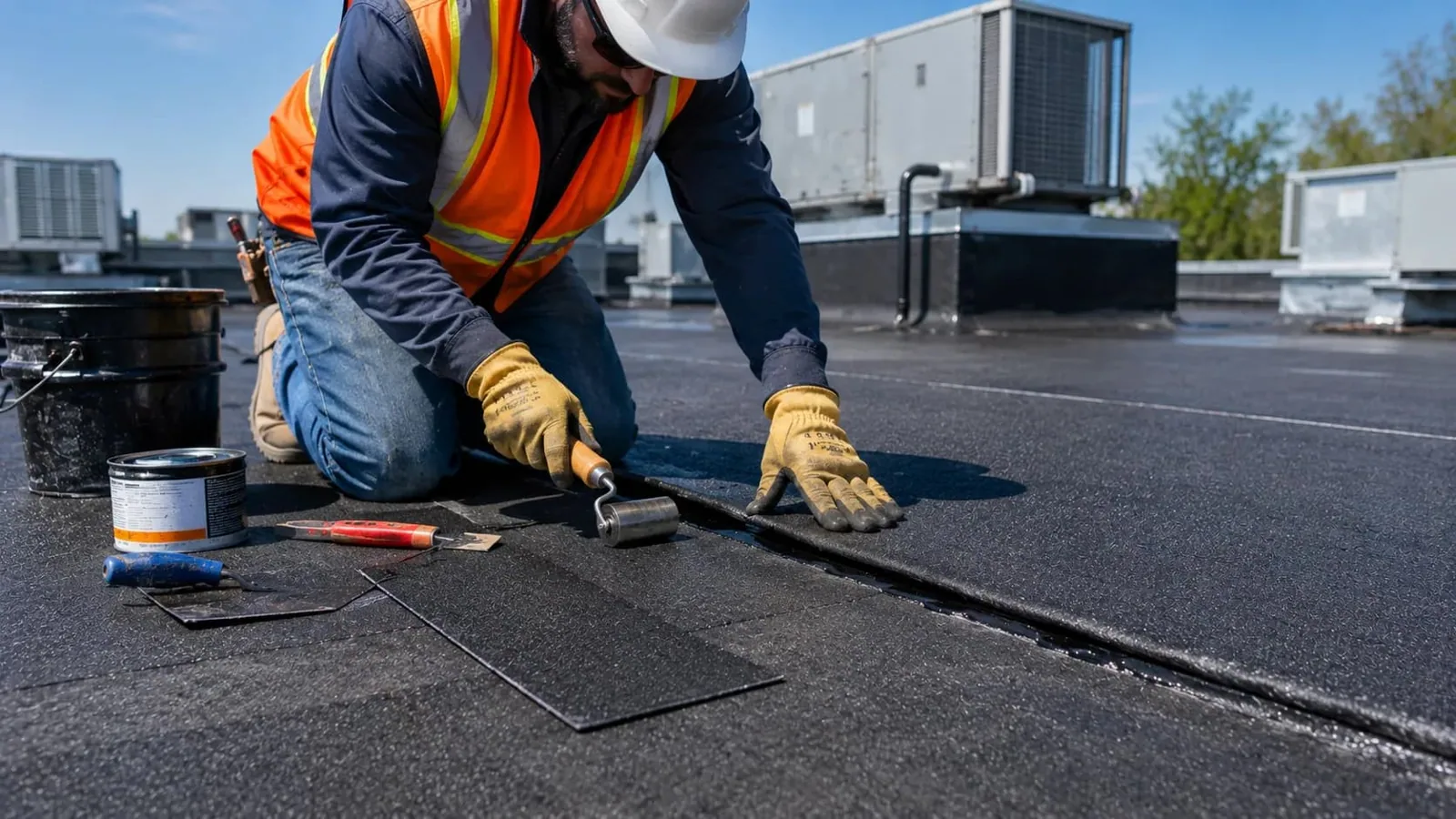
Commercial Tornado Damage Roof Repair
Talk to Commercial Roofing Westminster
Call 555-555-5555 or send a request and we will schedule a visit to look at the roof, explain what we find and lay out your options.