Commercial Fire Damage Roof Repair in Westminster, CO
Assess Westminster commercial roofs after fire exposure for membrane heat damage, openings, smoke residue, wet insulation, and safe restoration scope.
Commercial Fire Damage Roof Repair
After fire crews leave, do not open the roof until the site contact confirms safe access. Heat, water, debris, and emergency penetrations can affect the assembly in different ways. Start with the approved route, the area exposed, and the rooms requiring protection. The inspection documents visible roof damage and conditions needing further review before a repair scope is set.
Confirm access and structural review first
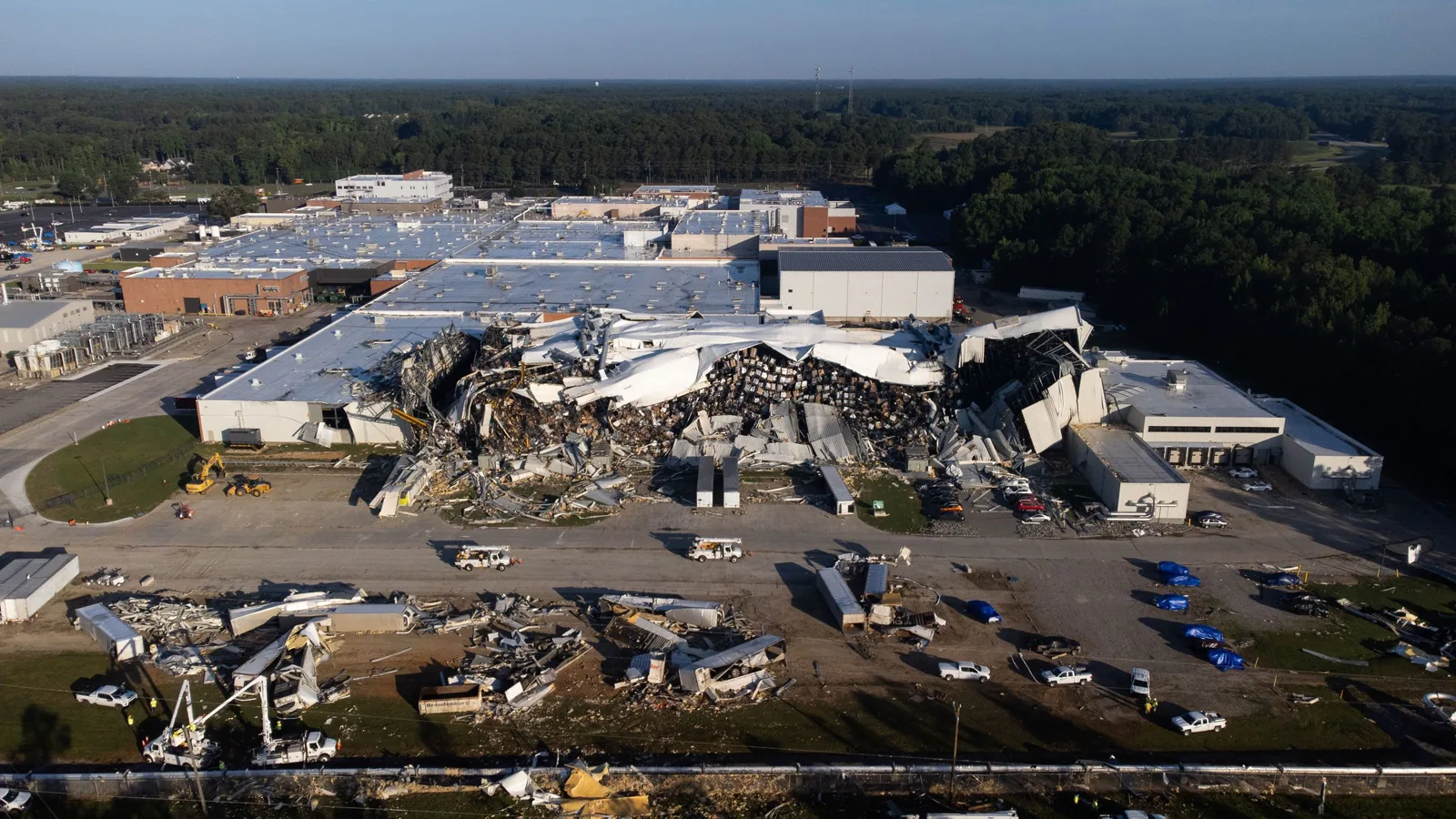
Fire response can leave unstable materials, damaged equipment, or areas restricted by officials. The owner or authorized site contact confirms whether roof access is permitted and identifies any structural or safety review already required. Roofing crews should not enter a zone that remains restricted. Record the boundary and the contact who can approve a return.
Westmoor Technology Park and Circle Point are Westminster business campuses with multiple buildings. Their building facts do not describe fire exposure or construction at a specific property. A Westmoor area roof inspection must begin with the actual building's status and access approval.
Before work starts, coordinate fire suppression water, damaged ceilings, electrical equipment, and contents below. Identify who can authorize temporary protection and which interior areas remain closed. If an engineer or fire official must review the structure, that review comes before roof repair planning.
Inspect heat, smoke, water, and openings
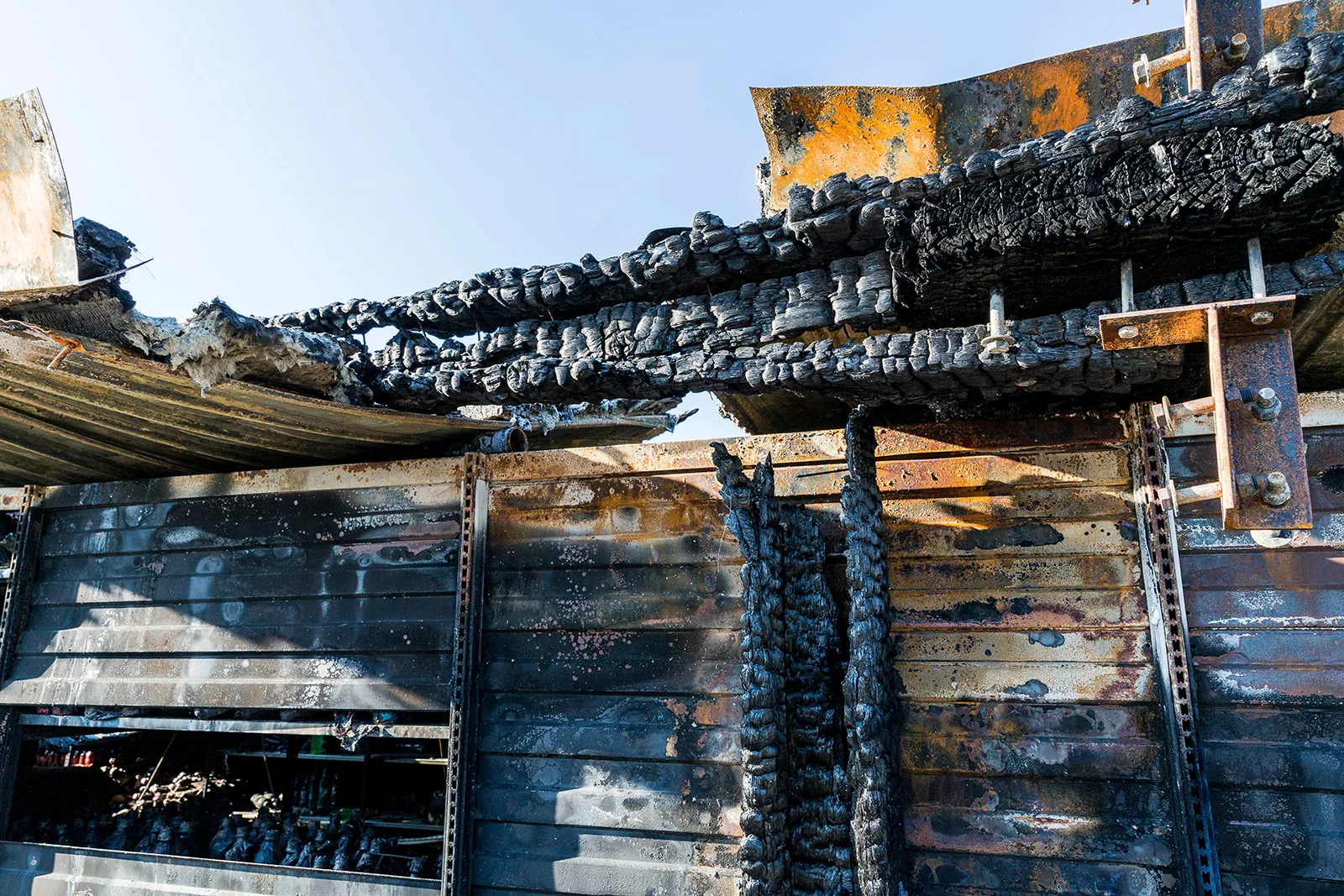
Fire exposure can affect membrane, insulation, cover board, metal, coatings, skylights, and equipment supports. Inspect the roof surface for blistering, distortion, char, melted components, open seams, or displaced edge metal. Smoke residue can cover the visible surface and complicate material identification. Photograph conditions before debris or residue is disturbed.
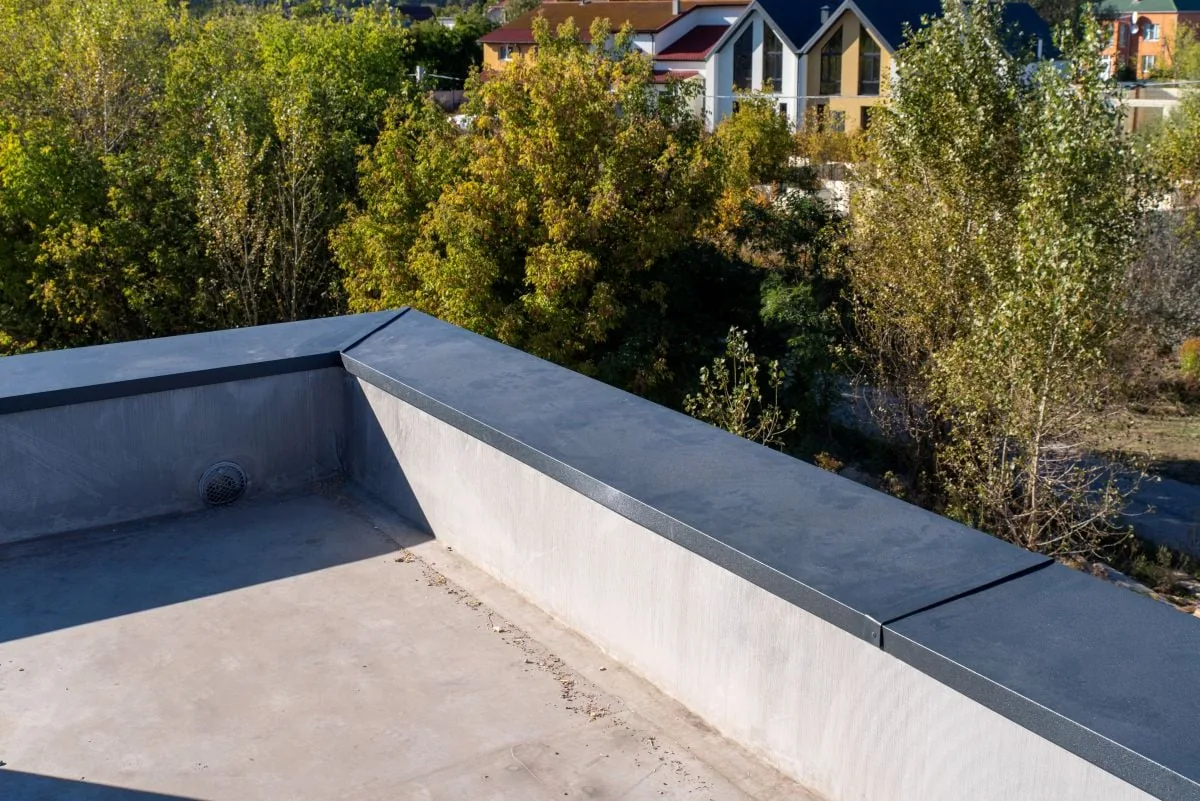
Fire suppression may leave water trapped in the assembly or interior. Check drains, overflow routes, low areas, and any openings made during emergency work. A commercial roof inspection can map accessible sections, materials, and conditions requiring testing. The report should distinguish heat exposure from water damage and identify what could not be viewed. If the roof deck, supports, or structural framing show visible distortion, stop the roofing assessment at the safe boundary and refer the condition for the appropriate engineering review. A roofer can document the weather barrier and surface; structural capacity must be evaluated through the proper professional and project process.
If a roof penetration or temporary opening was created during response, document its dimensions, location, and current cover. A claim documentation visit can preserve dated photos and measured repair details. It does not replace a fire investigation or structural determination.
Protect the building while scope is developed
Rain entering through a damaged section can spread the loss beyond the fire area. Temporary dry-in should cover the exposed zone without directing water into adjacent spaces. Record the material used, attachment, protected boundary, expected duration, and person responsible for checking it. Keep the roof draining and avoid covering conditions that still need documentation.
For an active leak, a leak response can isolate water entry while permanent repairs are evaluated. Coordinate ceiling protection, equipment relocation, and any required cleaning with the building contact. If the space is occupied, set a safe work zone and notify affected staff before overhead tasks begin.
Heat damage may extend beyond the visibly charred material. Testing may be needed to determine whether insulation, adhesive, or membrane remains serviceable. A test opening should have approval, interior protection, material handling, and restoration steps identified before it is made.
Account for Westminster's temperature range
After fire response, confirm the roof surface is safe and dry enough for inspection; temperature and moisture conditions affect both material identification and repair timing. For fire-related roof repair work, compare outlet flow with water marks from the last visit; keep photos attached to the correct roof-zone record. If suppression water or repair work leaves drains blocked, winter precipitation can add a separate drainage concern. Inspect the outlet and overflow path at the building and keep that maintenance condition distinct from confirmed fire damage.
A wind damage review can document a separate weather issue if exposed details were disturbed. A hail damage inspection can distinguish impact marks from direct heat or water exposure. Keep the photos, dates, and affected sections separate if more than one event or response trade is involved. A roof report should keep each cause and repair boundary clear, especially when several response trades have been on the roof.
Document a fire-exposed commercial roof
Provide the property, access approval, response timeline, roof plan, interior reports, and any safety restrictions. We will inspect the approved area and define a restoration scope.
Replace damaged material to a sound boundary
A local repair may work where heat or impact is limited and the surrounding assembly remains sound. Remove damaged material to an approved boundary, inspect the substrate, and install a compatible assembly. If insulation is wet, charred, or detached, include removal and replacement rather than sealing over it.
Broad heat exposure or multiple compromised layers may require a larger replacement. Measure roof sections, transitions, drains, curbs, and edge conditions. Building floor area is not a roof quantity. A replacement scope should list demolition, new insulation, cover board, membrane, temporary protection, equipment coordination, and testing.
Westminster enforces the 2021 International Building Code and Energy Conservation Code. The property jurisdiction and permit records determine project review. Keep approved submittals, installation photographs, fire-related observations, and closeout documents together for the owner's maintenance file. A phased repair may be necessary if material delivery, access, or interior reconstruction cannot proceed at once. The plan should identify the temporary condition between phases and the person who checks it after weather. Do not leave a transition exposed because a downstream interior trade is not ready.
Keep restoration records tied to the roof
Closeout should show the exposed area, removed material, installed assembly, temporary measures, and final detail. Label photographs by building and roof zone. Identify materials that were not removed, areas not inspected, and any follow-up testing that remains open.
At the next inspection, compare repaired boundaries with the closeout record and check drains, edges, and penetrations. If another trade opens the roof, document its work and who restores the weather barrier. Retain disposal and product records where the owner needs them for building maintenance or claim review, and note which access limits remain after restoration. Keep fire damage, suppression-water concerns, and unrelated maintenance in separate entries.
Westmoor Technology Park and Circle Point may help identify a Westminster property area, but the service record needs the actual facility, access contact, and roof map. That information lets the next crew continue from the completed work without assuming another building has the same damage. The owner can also identify which areas were cleared for normal service and which need a scheduled inspection. Include the approver and target date for that follow-up. Keep the roof-zone map current for the next service call.
After suppression, check whether water entered through roof openings or traveled below the membrane, and keep that finding separate from heat damage. Record affected equipment, insulation, and interior finishes with the fire-restoration lead. Any removal or temporary protection should identify the exposed area and a return inspection date.
Commercial Roofing Questions
Can roofing work start while fire officials still restrict access?
No. The authorized site contact must confirm access and any required safety review before a roof crew enters the affected area.
Does smoke on the roof mean the membrane needs replacement?
Not by itself. Inspect the surface, assembly, and underlying materials, then test where exposure or concealed damage remains uncertain.
How should suppression water be handled?
Document the affected areas, protect contents, and check roof drainage and interior conditions. Keep water impacts separate from direct heat damage in the report.
Can temporary dry-in happen before final repair design?
Yes, if access is approved and the measure protects the opening without hiding conditions that still need inspection.
What should a fire roof closeout include?
Keep before-and-after photos, material records, measured sections, access limits, testing, temporary protection, and any remaining owner decision.
Related Roofing Work
Westmoor Technology Park
Read more
Commercial Roof Inspection
Read more
Commercial Roof Insurance Claim Assistance
Read more
Commercial Roof Leak Repair
Read more
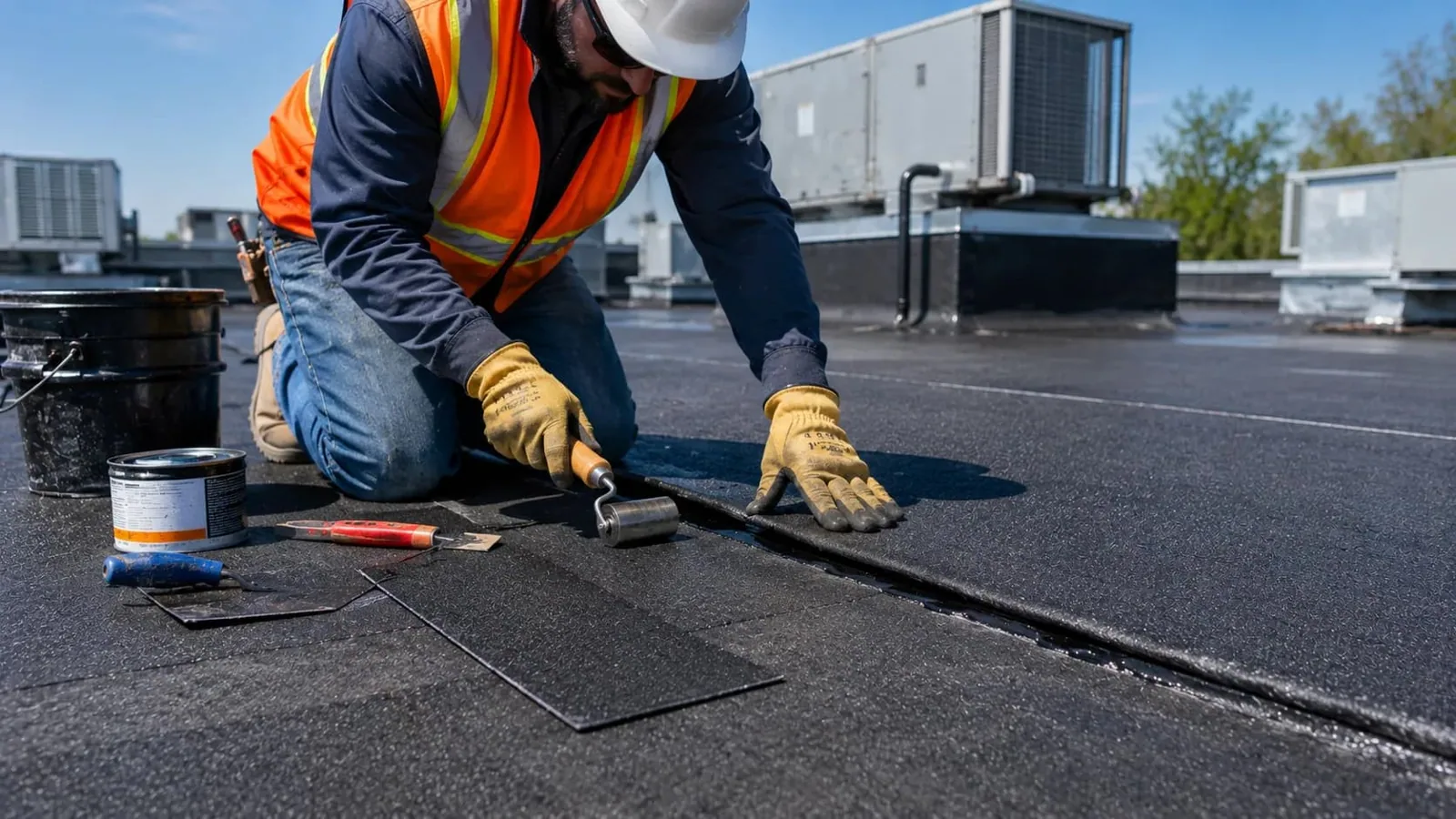
More Roof Damage Repair in Westminster
See the rest of our roof damage repair for Westminster commercial buildings, or call 555-555-5555 to talk through your roof.
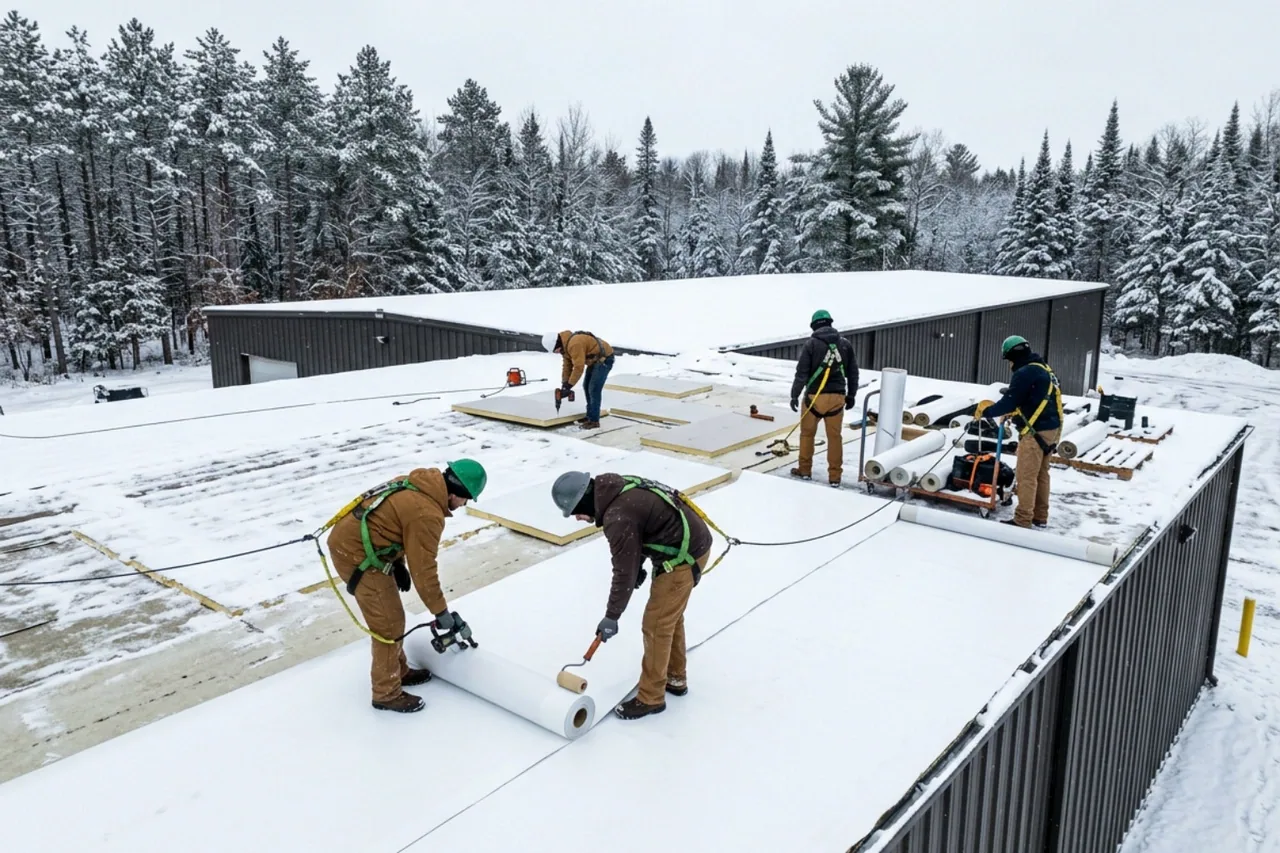
Commercial Fire Damage Roof Repair
Talk to Commercial Roofing Westminster
Call 555-555-5555 or send a request and we will schedule a visit to look at the roof, explain what we find and lay out your options.